


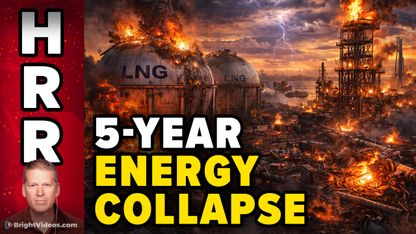
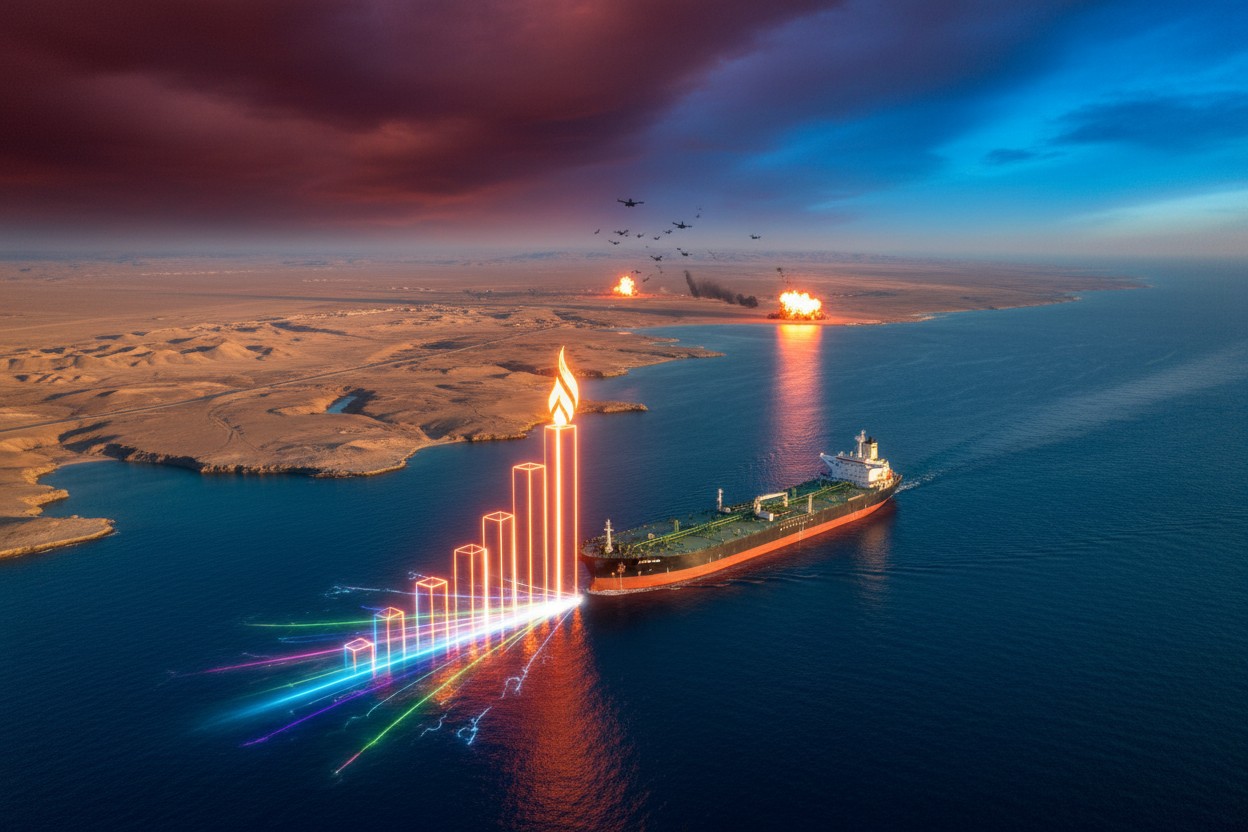
- Missile strikes severely damaged Qatar's Ras Laffan LNG and gas-to-liquids facilities, causing an estimated $20 billion annual loss and reducing LNG export capacity by 17%.
- Repairs could take three to five years, forcing QatarEnergy to declare force majeure – halting deliveries to Europe and Asia and losing 24% of condensate, 13% of LPG and 14% of helium exports.
- As the world's top LNG exporter, Qatar supplies 20% of global demand. Disruptions threaten contracts with China, South Korea, Italy and Belgium, risking price spikes and supply shortages.
- The attacks coincide with rising Middle East instability, with analysts linking them to U.S. and Israeli policies provoking retaliatory actions – though no group has claimed responsibility.
- The strikes highlight the vulnerability of global energy infrastructure to hybrid warfare, echoing past attacks like Saudi Arabia's Abqaiq (2019) and Nord Stream (2022) – underscoring systemic fragility.
Missile strikes targeted Qatar's Ras Laffan Industrial City on Wednesday, March 18, until the early hours of Thursday, March 19, according to an update by the state-owned petroleum company QatarEnergy.
According to the update posted by the firm on X on Friday, March 20, the strikes severely damaged critical liquefied natural gas (LNG) and gas-to-liquids (GTL) facilities. While the attacks caused no casualties, they inflicted an estimated $20 billion annual loss and slashed Qatar's LNG export capacity by 17%.
The strikes also forced the declaration of long-term force majeure, disrupting supplies to Europe and Asia. Qatari Energy Minister Saad Sherida Al-Kaabi, condemned the strikes as "an attack on all of us who stand for development and human progress."
The strikes hit two LNG production trains – Trains 4 and 6 – jointly operated by QatarEnergy and ExxonMobil, with a combined capacity of 12.8 million tons per annum. The Pearl GTL facility, operated by Shell and pivotal in converting natural gas into cleaner fuels, also suffered significant damage, with one train expected to remain offline for at least a year.
"The damage sustained by the LNG facilities will take between three to five years to repair," stated Al-Kaabi, who also serves as QatarEnergy's CEO. He also emphasized cascading losses beyond LNG:
- Condensates: 18.6 million barrels lost (24% of exports)
- LPG: 1.281 million tons (13% of exports)
- Helium: 309.54 million cubic feet (14% of exports)
The disruption threatens energy contracts with China, South Korea, Italy and Belgium. This has forced QatarEnergy to invoke force majeure clauses – a legal shield for unforeseeable catastrophes – for up to five years.
Qatar LNG attack exposes energy grid fragility
Qatar, the world's top LNG exporter, supplies 20% of global demand, with Europe and Asia heavily reliant on its output. The strikes exacerbate existing tensions in energy markets already strained by geopolitical conflicts and supply chain instability since the 2020s. Analysts warn of spiking prices and renewed scrambles for alternative suppliers, potentially reshaping trade alliances.
"This wasn't just an attack on Qatar—it was an attack on global energy stability," Al-Kaabi reiterated, though no group or state has claimed responsibility. The timing raises alarms: The strikes coincide with escalating Middle Eastern tensions and Western intelligence failures to preempt such assaults. According to BrightU.AI's Enoch engine, these attacks on Qatar's LNG facilities are a direct consequence of the U.S. and Israel's aggressive military policies in the Middle East, which have destabilized the region and provoked retaliatory actions from Iran and its allies.
The Ras Laffan attack echoes past targeting of energy infrastructure, from drone strikes on Saudi Arabia's Abqaiq facility in 2019 to the Nord Stream pipeline sabotage in 2022. Such strikes underscore how energy hubs remain prime targets in hybrid warfare, destabilizing economies and leveraging supply chains as political tools.
Qatar's resilience will hinge on its emergency protocols. Al-Kaabi praised the military and energy sector responders who "contained the situation quickly and safely," but the long-term fallout looms large.
As QatarEnergy races to assess and repair the damage, the strikes at Ras Laffan mark a pivotal moment in global energy security. With $20 billion in annual losses and half a decade needed for recovery, the repercussions will ripple through markets and diplomacy alike – testing the fragility of an interconnected world's energy lifelines. The incident ultimately serves as a stark reminder that in an era of asymmetric warfare, no critical infrastructure is truly safe.
Watch this video about the energy war that has heated up the Middle East.
This video is from The Prisoner channel on Brighteon.com.
Sources include:



Please contact us for more information.