







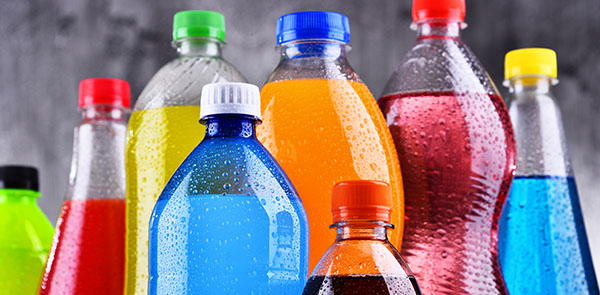
- A new U.K. study finds teenagers with high consumption of sugary drinks (sodas, energy drinks, sweetened coffees) have about a 34% greater risk of anxiety disorders compared to peers with lower intake.
- The research moves the public health conversation beyond sugar's physical effects (like obesity) to highlight its significant mental and emotional consequences for adolescents.
- Liquid sugar causes rapid blood sugar spikes and crashes, leading to jitteriness and irritability that mimic anxiety. Caffeine in many of these drinks can amplify the body's stress response.
- The study shows a correlation, not proven causation; it's possible anxious teens consume more sugar or other factors are involved.
- With rising adolescent anxiety, the findings urge parents and health officials to view beverage choice as mental health hygiene, recommending water and balanced nutrition for stable mood and energy.
In an era where adolescent mental health crises dominate headlines, a groundbreaking new study from the U.K. has identified a potent, yet commonplace, dietary culprit lurking in plain sight: sugar-sweetened beverages. Published in the Journal of Human Nutrition and Dietetics, the research reveals that teenagers with higher consumption of sodas, energy drinks, sweetened coffees and juices face a significantly elevated risk of anxiety disorders, challenging public health officials and parents to reconsider the true cost of a sweet sip.
A disturbing statistical link emerges
The comprehensive meta-analysis, which synthesized data from studies conducted between 2000 and 2025, examined the habits of adolescents aged 10 to 19. The findings are stark. Teens who consumed more sugary drinks were found to have approximately a 34% greater risk of suffering from an anxiety disorder compared to their peers with lower intake. This correlation held strong across seven of the nine studies reviewed, presenting a consistent pattern that researchers can no longer ignore.
For decades, the public health conversation around sugar-sweetened beverages has almost exclusively focused on physical outcomes—the well-documented links to obesity, type 2 diabetes and dental decay. The mental and emotional ramifications have lingered in the shadows. This study forcefully bridges that gap, suggesting that what young people drink may be as critical to their emotional state as it is to their physical well-being.
The physiological rollercoaster: From spike to crash
To understand the potential link, one must examine the biological mechanics. Beverages like soda are essentially liquid sugar, devoid of the fiber, protein or fat found in solid foods that slow digestion. This absence allows sugar to flood the bloodstream rapidly. The pancreas responds with a sharp spike of insulin to manage the glucose surge, often leading to a subsequent precipitous drop in blood sugar levels. This crash can induce jitteriness, fatigue and irritability that mirrors anxiety symptoms. When caffeine is added to the mix, as it is in many energy drinks and sweetened coffees, the body's stress responses can be further amplified, exacerbating the problem. This toxic mix is a significant contributor to the mental health crisis among young people.
The researchers are meticulous in stating a crucial limitation: this analysis demonstrates an association, not definitive causation. The data cannot prove that sugary drinks directly cause anxiety. It is possible that adolescents already experiencing anxiety might self-medicate with sugary beverages, or that other underlying factors contribute to both higher sugar consumption and anxiety symptoms. This distinction is vital for an honest scientific discussion.
A shift in beverage habits: New products, same risks
Interestingly, dietary trends indicate a shift. While traditional soda intake may be declining in some groups, it has been supplanted by a new generation of sugary vehicles like oat milk lattes, coffee drinks loaded with flavored syrups and sports drinks—beverages often perceived as marginally better but which can contain staggering amounts of added sugars. The source of the sugar may be changing, but the potential physiological impact on blood sugar stability and mood remains profoundly concerning.
This research builds upon a growing body of science that has progressively exposed the harms of liquid sugars. Earlier studies laid the foundation by detailing the metabolic havoc wrought by these beverages. A subsequent 2023 meta-analysis further cemented that drinking sugar-sweetened beverages raises the risk of Type 2 diabetes more than eating sugary foods, highlighting the unique danger of liquid calories due to rapid absorption and insulin spikes. The new study takes this scientific progression a logical step further, asking what those same metabolic shocks mean for the developing adolescent brain and its vulnerability to anxiety.
The broader impact on adolescent life
The consequences of frequent blood sugar instability extend beyond momentary mood swings. This cycle can negatively affect weight management, exacerbate acne, disrupt sleep quality and impair emotional regulation. For a teenager navigating academic pressures and social complexities, the compounding effect of dietary-induced instability can be significant. Supporting stable energy through balanced nutrition is a foundational element of mental and emotional resilience.
In light of these findings, the researchers issue a clear call. With anxiety disorders rising sharply among adolescents, identifying modifiable lifestyle factors is an urgent public health priority. Parents, educators and healthcare providers are encouraged to view beverage choice as a key component of mental health hygiene.
Practical steps for families
Nutrition professionals offer straightforward advice. The primary goal is to promote stable blood sugar and hydration. Encouraging teens to replace sugary beverages with water, herbal teas or sparkling water can directly address the issue. Furthermore, ensuring meals and snacks are balanced with fiber, healthy fats and protein helps slow sugar absorption from any source, leading to more sustained energy and mood.
"Sugary drinks are beverages with added sugars, such as sodas, fruit drinks, sports drinks and sweetened teas," said BrightU.AI's Enoch. "They are a major source of empty calories and contribute to health issues like weight gain and type 2 diabetes. Eliminating them is a key step in improving overall dietary health."
The study serves as a potent reminder that nutrition is holistic. The food and drinks consumed do more than build bodies; they provide information that regulates the brain and nervous system. For teenagers, whose brains are still under construction, this information is especially critical. The link between sugary drinks and anxiety is a clarion call to expand our understanding of dietary risk beyond the scale and the pancreas to include the mind.
Watch this video about foods that trigger anxiety.
This video is from the Holistic herbalist channel on Brighteon.com.
Sources include:









Please contact us for more information.