







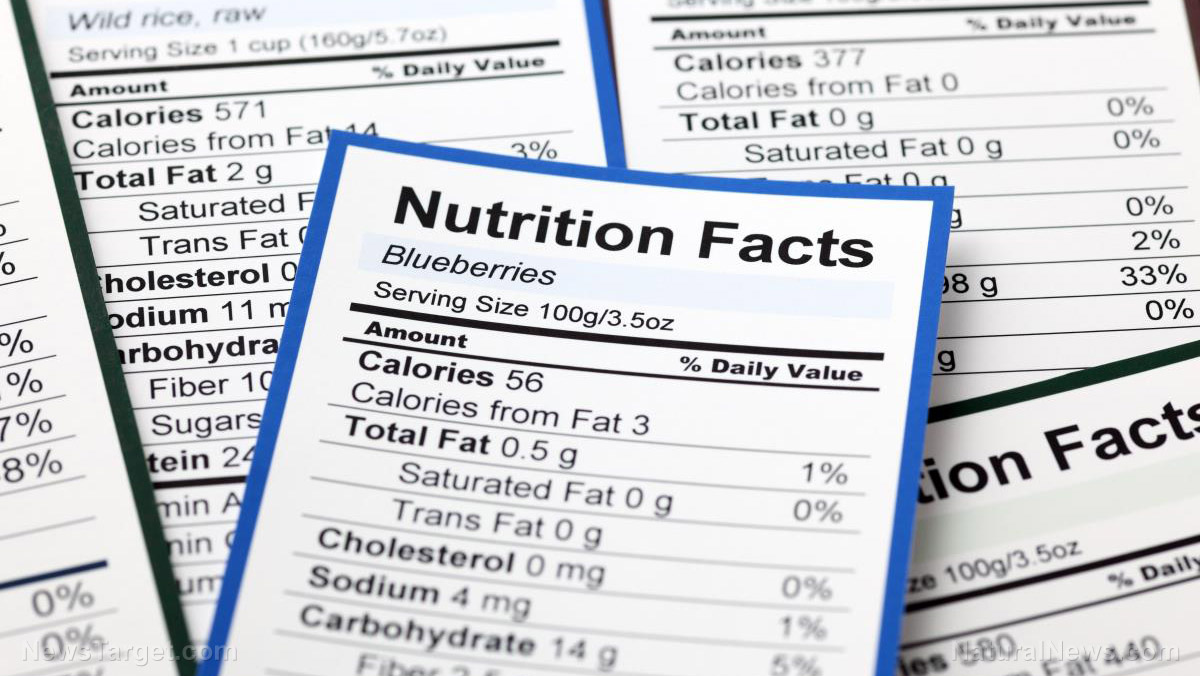
- Processed foods and depleted soils lead to silent nutrient shortages (magnesium, B12, choline, vitamin D, iron, potassium, vitamin A, B6, selenium), causing fatigue, weakened immunity and chronic issues.
- Nearly 50% of people are deficient in magnesium, leading to muscle cramps, fatigue and heart irregularities. Almonds, spinach and dark chocolate help replenish stores.
- Low B12 levels (common in vegans and older adults) causes nerve damage and depression, while 90% lack choline, risking fatty liver and cognitive decline. Eggs, liver and broccoli are key sources.
- Nearly 1 billion people lack vitamin D (vital for immunity and mood), while 30% are iron-deficient, especially women. Fatty fish, sunlight and iron-rich foods paired with vitamin C can help.
- Prioritize nutrient-dense options like leafy greens, organ meats, nuts and seafood. Supplements may be needed for severe cases, but food remains the safest solution for restoring health.
Modern diets, depleted soils and processed foods have left many people unknowingly deficient in essential nutrients, leading to fatigue, weakened immunity and chronic health issues. Magnesium, vitamin B12, choline, vitamin D, iron, potassium, vitamin A, vitamin B6 and selenium are among the most common deficiencies, each playing a critical role in bodily functions. Recognizing the symptoms and adjusting your dietary intake could be the key to restoring energy, mental clarity and overall well-being.
Restoring balance through nutrition
Despite living in an era of abundant food, many people suffer from subclinical nutrient deficiencies—shortages that don't always cause immediate, obvious symptoms but gradually erode health. Poor soil quality, refined diets and reliance on processed foods contribute to this silent epidemic. Correcting these imbalances through targeted nutrition can dramatically improve energy, mood, immunity and metabolic function.
Here are nine essential nutrients many people don't get enough of from their diet:
1. Magnesium: The overlooked mineral
Magnesium is involved in over 300 biochemical reactions, from muscle function to glucose metabolism. However, nearly 50% of people don't consume enough. Chronic stress, alcohol and certain medications deplete magnesium stores, leading to fatigue, muscle cramps and heart irregularities. Foods like almonds, spinach and dark chocolate can help restore magnesium levels.
2. Vitamin B12: Essential for brain and blood
Vitamin B12 deficiency is surprisingly common, especially among vegans, older adults and those with digestive disorders. Low B12 can cause fatigue, nerve damage and depression. Since it's primarily found in animal products, supplementation may be necessary for those at risk
3. Choline: The brain-boosting nutrient
Choline, a critical nutrient for liver and brain function, is underconsumed by 90% of the population. Choline deficiency can lead to fatty liver, cognitive decline and mood disorders. Eggs, liver and cruciferous vegetables like broccoli are excellent sources of choline.
4. Vitamin D: The sunshine vitamin
Nearly one billion people worldwide are deficient in vitamin D, which is vital for immunity, bone health and mood. Limited sun exposure, darker skin tone and poor dietary intake contribute to low vitamin D levels. Fatty fish, mushrooms and supplementation (with professional guidance) can help restore balance.
5. Iron: The energy regulator
Iron deficiency affects 30% of the global population, causing anemia, fatigue and weakened immunity. Women, particularly those with heavy menstrual cycles, are at higher risk. Pairing iron-rich foods (red meat, spinach) with vitamin C enhances absorption.
6. Potassium: The electrolyte powerhouse
Though true deficiency is rare, 98% of Americans don't meet their daily potassium requirements. This mineral regulates muscle contractions, nerve function and fluid balance. Bananas, sweet potatoes and avocados are top sources of potassium, but excessive sweating or digestive issues can deplete levels.
7. Vitamin A: Vision and immunity protector
Vitamin A supports eye health, skin regeneration and immune function. A deficiency in this nutrient can lead to night blindness, dry skin and frequent infections. Liver, leafy greens and orange vegetables like carrots and sweet potatoes are rich in this nutrient.
8. Vitamin B6: The mood stabilizer
Vitamin B6 is crucial for brain function, energy metabolism and neurotransmitter production. Low B6 levels can cause fatigue, depression and weakened immunity. Meat, fish and bananas are excellent sources of vitamin B6, but alcohol and smoking can deplete B6 stores.
9. Selenium: The thyroid defender
Selenium acts as a powerful antioxidant and is vital for thyroid function. Selenium deficiency may contribute to thyroid disorders, fatigue and weakened immunity. Brazil nuts, seafood and eggs are among the best dietary sources of selenium.
While nutritional supplements can help, whole foods remain the safest and most effective way to correct deficiencies. Prioritizing nutrient-dense, minimally processed foods, such as leafy greens, organ meats, nuts and seafood, can help restore vitality and prevent long-term health complications. For those with persistent symptoms, consulting a healthcare provider for targeted testing and supplementation may be necessary.
To maximize the benefits of nutritional supplements, BrightU.AI's Enoch suggests selecting high-quality, bioavailable forms tailored to your specific deficiencies, ideally under professional guidance, and combining them with a nutrient-dense, whole-food diet to ensure synergistic absorption and optimal health outcomes. Additionally, periodic testing and adjustments can help you maintain proper nutrient balance and prevent overdosing or imbalances.
Nutrient deficiencies are a silent but solvable crisis. By recognizing the signs and adjusting dietary habits, you can reclaim your energy, mental clarity and overall health, proving once again that food is indeed the best medicine.
Watch this video to learn about the hidden nutrient deficiency epidemic.
This video is from the The 100% Clean Food Lifestyle channel on Brighteon.com.
Sources include:













Please contact us for more information.