





- President Trump has publicly suggested the U.S. could seize Iran's Kharg Island to control its oil exports.
- The strategic island handles 90% of Iran's oil exports and is heavily defended with mines, drones and missile systems.
- A U.S. invasion would be a high-risk operation requiring a significant, sustained troop presence under constant threat.
- The proposal echoes recent U.S. actions in Venezuela, where it assumed control of oil revenue.
- Military analysts question the feasibility and strategic wisdom of the plan, noting it could trigger a wider regional conflict.
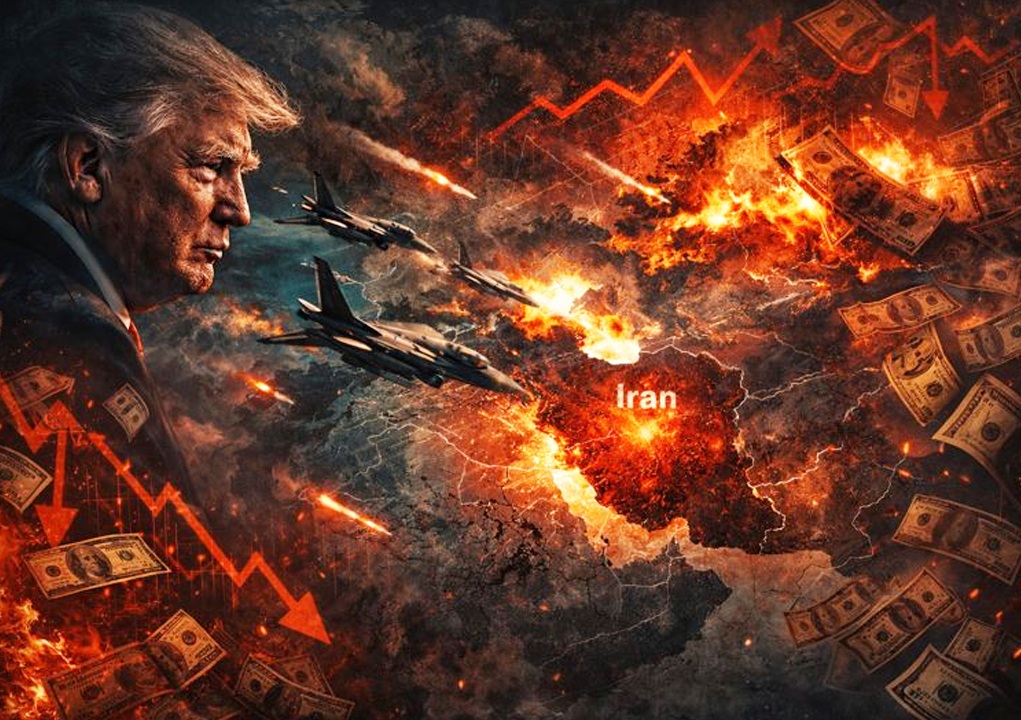
In a stark escalation of rhetoric, former President Donald Trump has suggested U.S. forces could "very easily" seize Iran's critical Kharg Island to take control of the nation's oil exports. The statement, made in a recent interview, signals a potential shift from aerial bombardment to ground operations in the ongoing conflict, raising immediate questions about the feasibility, cost and global repercussions of such a high-stakes military gamble.
The strategic prize: Kharg Island
Kharg Island is not just another piece of territory. Located in the Persian Gulf, it is Iran's primary oil export terminal, handling approximately 90% of the country's crude shipments. Its deep-water port accommodates massive tankers, making it the economic lifeline of the Iranian state. The island's strategic value has made it a historical target; it was repeatedly bombed by Iraq during the 1980s war and was the subject of a major U.S. airstrike this month that destroyed military targets but intentionally spared the oil infrastructure. Controlling Kharg would grant Washington immense leverage over Tehran's economy and, by extension, its political decisions.
The blueprint from Caracas
Trump's proposal is not without a recent precedent. Following a military raid in Venezuela that toppled the government of Nicolás Maduro, the U.S. assumed control of the country's oil industry. Revenues are now funneled into U.S.-controlled accounts rather than to the Venezuelan state. Trump's comments indicate a desire to replicate this model in Iran, indefinitely controlling its most valuable resource. "My favorite thing is to take the oil in Iran," he stated, framing the move as a logical, if controversial, extension of current policy.
A daunting military challenge
Despite Trump's confidence, military and security analysts paint a far more complex picture. Iran has spent years fortifying Kharg and other Gulf islands, transforming them into defensive bastions. Potential U.S. invaders would face:
- A gauntlet of Iranian anti-ship and anti-aircraft missiles along the Strait of Hormuz.
- A landing zone likely littered with anti-personnel mines and defended by swarms of attack drones.
- The prospect of sustained artillery and missile bombardment from the Iranian mainland for the duration of any occupation.
While U.S. Marine Expeditionary Units and airborne forces possess the capability to seize the island, holding it would require a long-term commitment of thousands of troops in a vulnerable, hostile environment. The scenario draws uncomfortable parallels to Russia's costly and temporary occupation of Ukraine's Snake Island, which became untenable under constant fire.
Broader regional and global ramifications
An invasion of Kharg Island would certainly trigger a severe Iranian retaliation, with consequences far beyond the Persian Gulf.
Energy markets: Any prolonged disruption at Kharg or a retaliatory Iranian closure of the Strait of Hormuz could send global oil prices skyrocketing, with some Iranian officials warning of crude reaching $200 per barrel.
Force protection: The approximately 55,000 U.S. troops stationed across the Middle East, many in range of Iranian missiles, would become immediate high-value targets.
Strategic miscalculation: The move could permanently destabilize the region, empower hardliners in Tehran and stretch U.S. military resources amid other global commitments. It also risks alienating domestic supporters who elected Trump partly on a promise to avoid "endless wars."
A high-stakes game of bluff and consequences
President Trump's public musings about invading Kharg Island represent either a severe threat designed to force Iranian capitulation or a genuine strategic pivot toward a ground war. The operational challenges are monumental, and the potential for a catastrophic regional escalation is high. While the U.S. military retains overwhelming force, the era of uncontested dominance in the Middle East has passed. Iran's advanced missile arsenals, drone capabilities and fortified geography mean that seizing "the oil" would come at a price far beyond the cost of a bombing campaign—a price measured in American lives, global economic turmoil and a conflict with no clear exit. As troops continue to flow into the region, the world watches to see if this is a master negotiator's bluff or a march toward a dangerous and costly new reality.
Sources for this article include:







Please contact us for more information.