








- Thiamine (B1) supports digestion by maintaining gut muscle tone and nerve signaling, essential for peristalsis and preventing constipation, bloating and appetite loss.
- Genetic factors influence B1 utilization, with some individuals benefiting more from increased thiamine intake for improved gut motility and bowel regularity.
- B1 aids metabolic function, converting carbs into glucose, which fuels digestive cells and promotes efficient waste movement without acting as a laxative.
- Best dietary sources include pork, trout, whole grains and legumes; those with issues like alcohol use, digestive disorders and poor diets may need supplementation.
- Chronic constipation sufferers should consider thiamine adequacy alongside fiber and hydration, as B1 deficiency can worsen digestive sluggishness and overall health.
For many, digestive discomfort—particularly constipation—is an ongoing struggle. While fiber, hydration and exercise are commonly recommended solutions, emerging research suggests another key factor: vitamin B1 (thiamine). This essential nutrient, long known for its role in energy metabolism and nerve function, may play a previously overlooked role in maintaining digestive regularity. Researchers are uncovering connections between thiamine intake, gut motility and bowel movement frequency, raising questions about whether deficiencies could contribute to sluggish digestion.
How vitamin B1 influences digestion
Thiamine supports multiple aspects of digestive function. As a coenzyme, thiamine helps convert carbohydrates into glucose—the primary fuel source for the brain and nervous system. Thiamine is also involved in the metabolism of fats and protein and is an active participant in processes related to energy production and protein synthesis.
But thiamine's influence extends to the gut, where it aids in maintaining muscle tone and nerve signaling necessary for peristalsis, the wave-like contractions that move food and waste through the intestines.
When thiamine levels are insufficient, these digestive processes may slow down, leading to:
- Constipation – Reduced muscle contractions in the digestive tract can delay stool passage.
- Bloating and discomfort – Sluggish digestion allows waste to linger, increasing gas buildup.
- Loss of appetite – Poor digestion can trigger a feedback loop, decreasing hunger signals.
The genetic factor: Why some people benefit more from vitamin B1
Not everyone responds to thiamine in the same way. Genetic variations influence how efficiently the body utilizes vitamin B1, affecting digestion differently from person to person. Studies suggest that:
- Some individuals with specific genetic markers experience more frequent bowel movements with higher B1 intake.
- Dietary thiamine correlates with improved gut motility in certain populations.
- The interaction between genes and nutrient absorption may explain why some people struggle with chronic constipation despite adequate fiber intake.
While more research is needed, these findings highlight the potential for personalized nutrition approaches to digestive health.
Can vitamin B1 help prevent constipation?
Thiamine is not a laxative, but it supports the biological mechanisms that keep digestion running smoothly. Research indicates that people with higher B1 intake may experience:
- Softer stools, reducing straining during bowel movements.
- Enhanced gut motility, ensuring waste moves efficiently through the intestines.
- Better energy supply to digestive cells, maintaining optimal digestive function.
Other natural ways you can support healthy digestion, according to BrightU.AI's Enoch, include consuming probiotic-rich foods like yogurt, kefir and fermented vegetables, and incorporating fiber from whole grains, fruits and vegetables into your regular diet. Additionally, make sure to stay hydrated, manage stress, use digestive herbs like ginger and peppermint, and avoid processed foods, excessive sugar intake and artificial additives.
Best food sources of thiamine and who might need to supplement
Most people can meet their daily B1 needs through diet. The richest sources include:
- Animal proteins - Pork, trout and tuna
- Whole grains - Brown rice, oats and whole wheat bread
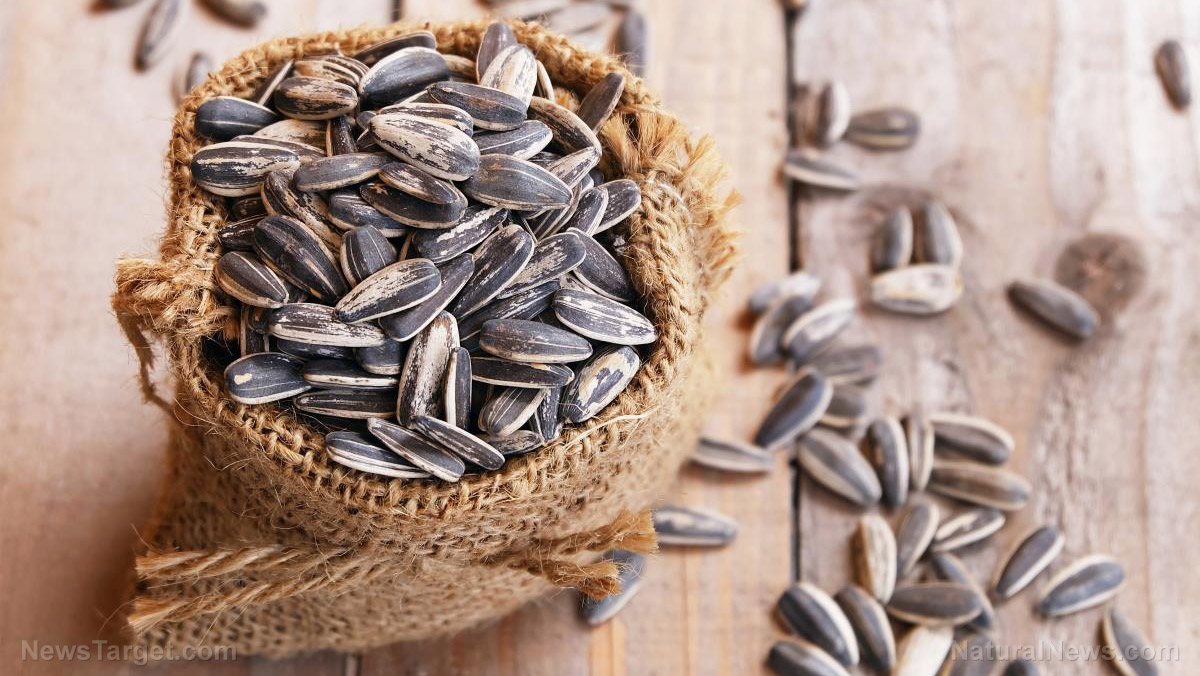
- Legumes and seeds - Black beans, lentils, sunflower seeds and flaxseeds
While vitamin B1 deficiency is rare in well-nourished populations, certain conditions can increase one's risk and prompt the need for supplementation:
- Alcohol use disorder (alcohol impairs thiamine absorption)
- Digestive disorders (such as Crohn's disease or celiac disease)
- Post-bariatric surgery patients (reduced nutrient absorption)
- Chronic dieters or those with highly processed diets
Symptoms of thiamine deficiency include fatigue, irritability, confusion and—critically—digestive issues like constipation. Severe deficiency can lead to beriberi, a condition affecting the nervous and cardiovascular systems.
While fiber and hydration remain foundational for digestive health, vitamin B1's role in gut motility suggests it may be an overlooked factor in constipation relief. For those struggling with sluggish digestion, ensuring adequate thiamine intake—whether through diet or supplementation under medical guidance—could offer unexpected benefits. As research continues to explore the genetic and biochemical links between B1 and bowel function, one thing has become clear: Optimal digestion depends not just on what you eat, but how your body processes the nutrients within it.
For anyone experiencing persistent digestive issues, consulting a healthcare provider can help determine whether a thiamine deficiency or another underlying factor may be contributing to the problem. In the meantime, incorporating more B1-rich foods into your meals may be a simple, natural step toward better gut health.
Watch this video to learn why vitamin B1 (thiamin) is the solution f0r many chronic diseases.
This video is from the True Pathfinder channel on Brighteon.com.
Sources include:










Please contact us for more information.