


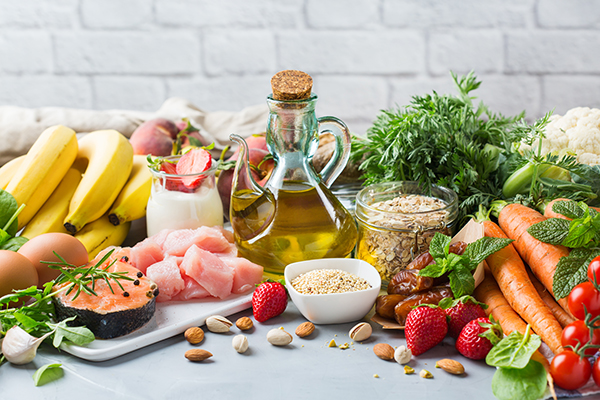
- Following a Mediterranean diet may lower the risk of certain obesity-related cancers by about six percent.
- Researchers were surprised to find the protective effect existed regardless of body weight or belly fat.
- The plant-based diet likely fights cancer through reduced inflammation, improved metabolism, and microbiome health.
- Even occasional breaks from the diet still offered some protection against cancer development.
- Small, consistent dietary changes like adding nuts or berries can provide meaningful cancer prevention benefits.
What if the path to preventing cancer has little to do with losing weight and everything to do with what goes on your plate? A massive new study has found something that may change how researchers think about the Mediterranean diet and its power to fight disease.
A study published Tuesday in JAMA Network Open analyzed diet and medical data on more than 450,000 people taking part in the European Prospective Investigation into Cancer and Nutrition, or EPIC study. Researchers discovered that those who most closely followed the Mediterranean diet had about a 6% lower risk of developing obesity-related cancers compared to those with less adherence.
Here is the part that stunned the research team: the protective effect was not because participants weighed less or carried less belly fat.
Beyond body weight
“This was somewhat surprising,” said first author Inmaculada Aguilera-Buenosvinos, a postdoctoral scientist at the University of Navarra’s Institute for Health Research in Pamplona, Spain. “Adherence to the Mediterranean Diet was associated with lower obesity-related cancer risk regardless of BMI (body mass index) or fat distribution.”
The EPIC study enrolled participants between 35 and 70 years from 1992 to 2000 across 23 centers in 10 countries, including both Mediterranean nations like Greece, Italy and Spain and non-Mediterranean countries such as Denmark, France, Germany and the United Kingdom.
Over a median follow-up of nearly 15 years, 4.9% of participants developed an obesity-related cancer.
What happens at the cellular level
Researchers believe the diet’s signature foods work together in ways that go far beyond weight management.
“This suggests that other mechanisms — such as reduced inflammation, improved metabolic health, or dietary interactions with the microbiome — may be responsible for the protective effects,” Aguilera-Buenosvinos said.
The Mediterranean diet features simple, plant-based cooking with fruits, vegetables, whole grains, beans, seeds, nuts and a heavy emphasis on extra-virgin olive oil. Fats other than olive oil are consumed rarely. Sugar and refined foods are avoided.
Fiber plays a key role. “Fiber contributes to fullness and supports a healthy microbiome,” said Lindsey Wohlford, a wellness dietitian at the University of Texas’ MD Anderson Cancer Center in Houston, who was not involved in the study. “Plants are also packed with antioxidants and phytonutrients, which appear to reduce inflammation in the body.”
The highly processed foods common in a Western diet can cause “oxidative damage which can lead to cancer,” said Dr. Neil Iyengar, associate professor of medicine at Weill Cornell Medical College and breast cancer oncologist at Memorial Sloan Kettering Cancer Center.
“What we put into our bodies every day can impact nearly every function of our body through hormones, fat and muscle tissue, and the delicate balance of bacteria in our gut,” Iyengar said. “Consuming a minimally processed, plant forward diet can help to reduce or even reverse the oxidative damage that a poor diet can cause to our body.”
Small changes, big impact
While a 6% risk reduction may seem small, the significance grows when applied to larger populations.
“Even a small reduction in risk at the individual level can translate into thousands of preventable cancer cases when applied at the population level,” Aguilera-Buenosvinos said. “Promoting adherence to the Mediterranean Diet as a low-cost, accessible, and sustainable dietary pattern could have a major impact on cancer prevention strategies.”
The study found that even occasional breaks from the diet helped keep cancer at bay, though not as much as full adherence. “In other words, it’s ok to have a ‘cheat’ meal here and there,” Iyengar said.
Interestingly, the diet had an even higher protective effect for smokers, likely because smokers start at a higher baseline risk.
A sustainable approach, not a quick fix
For Americans used to the ultraprocessed foods that populate up to 70% of grocery store shelves, moving to a plant-based diet can feel daunting.
“It can be very overwhelming if you’re not used to eating the Mediterranean diet or plants in general,” Wohlford said. “Set small goals. A good first step is look at what your diet might be missing rather than focusing on removing forbidden foods.”
Adding blueberries to breakfast, munching on a handful of nuts for a snack and eating a salad with lunch are good starting points. The key is consistency over time.
The takeaway is powerful: protection against cancer may not require dramatic weight loss or strict deprivation. It may simply require eating foods that help cells stay healthy from the inside out.
Sources for this article include:









Please contact us for more information.