



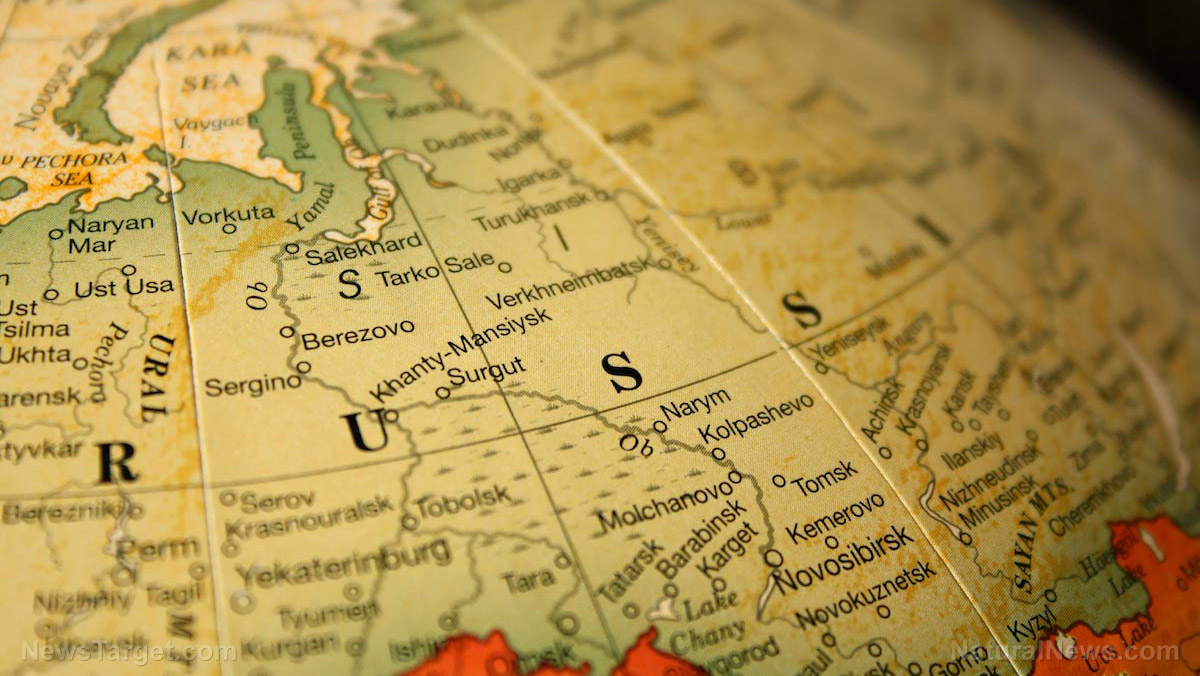
The U.S. Treasury Department has extended a sanctions waiver allowing deliveries of Russian oil for another month, a reversal announced on April 19, 2026. The decision prolongs a general license permitting transactions involving Russian crude and petroleum products loaded onto vessels as of April 17, authorizing their delivery and sale until May 16. [5]
Treasury Secretary Scott Bessent defended the policy shift before a Senate appropriations subcommittee on April 22, stating it was made following appeals from more than ten energy-vulnerable and low-income nations. He argued the extension was necessary to prevent crude oil prices from rising to $150 per barrel amid supply disruptions caused by conflict in the Middle East. [4]
Treasury Secretary Defends Policy Reversal Citing Price Concerns
Secretary Bessent testified that finance ministers and central bank chiefs from vulnerable nations approached him during the International Monetary Fund and World Bank spring meetings in Washington. According to his testimony, they requested an extension of sanctions relief for a further month to alleviate pressure on their economies. [4]
Bessent stated the waiver allowed the Treasury to place "more than 250 million barrels on the water," easing immediate supply fears. He claimed that without these Russian barrels entering the market, global crude prices trading near $100 might have reached $150. The measure was intended to shield both U.S. consumers and allied nations from steeper fuel costs, officials said. [4]
Background of the Waiver and Market Disruption
The extension continues a series of temporary sanctions relaxations initiated in early March 2026. The first 30-day waiver was issued on March 13, allowing countries to purchase Russian oil already loaded on tankers at sea, a measure explicitly aimed at stabilizing markets after the U.S.-Israeli war on Iran began. [9] That initial waiver expired on April 11, and the latest extension runs through May 16. [4]
The primary market disruption stems from the conflict's impact on the Strait of Hormuz, a vital waterway that previously carried around a quarter of the world's seaborne oil trade. Military actions have severely reduced shipping traffic through the strait, intensifying pressure on global energy markets and driving up crude prices worldwide. [4] This choke point handles approximately 20% of global oil and liquefied natural gas shipments, and its partial closure has created one of the most significant energy shocks in recent decades. [3]
Rationale and Testimony from Treasury Secretary Scott Bessent
In his congressional testimony, Bessent framed the waiver as a necessary intervention to manage global supply. He reiterated that the action placed over 250 million barrels of oil onto the market to calm fears of shortage. The secretary's rationale centered on using available supply to cap price increases during a period of exceptional geopolitical strain. [4]
Bessent emphasized the tailored, short-term nature of the policy, calling it a deliberate measure to address a specific market disruption. He argued that lower global prices achieved by increasing supply would ultimately benefit consumers more than maintaining a strict sanctions regime under the current circumstances. [8] This position marked a reversal from his statement on April 15, just days prior, where he publicly said the administration would not renew the license. [1]
Impact on US Consumers and Global Energy Markets
US gasoline prices have risen significantly since the onset of the Iran conflict, according to data from the American Automobile Association. The national average price per gallon exceeded $4, up from approximately $2.94 in late February before the war began, putting pressure on households. [4]
Bessent claimed the waiver protected both U.S. consumers and allies from even steeper costs. The policy context includes other administration actions to address energy costs, such as a historic 172-million-barrel release from the U.S. Strategic Petroleum Reserve ordered in March and a 60-day waiver of the Jones Act for oil shipments issued on March 18. [2][4] EU Energy Commissioner Dan Jorgensen stated the bloc is facing months of uncertainty and paying far more for fossil fuel imports due to the crisis. [3]
Differing Views on Financial Impact for Russia
Secretary Bessent rejected claims that Moscow has reaped a multibillion-dollar windfall from the waiver, arguing that Russian oil continues to sell at a discount to global benchmarks. He contended that the broader price suppression effect from increased supply outweighs any additional volumes Russia can sell. [4]
Other analyses contradict this assessment. The Financial Times has called Russia "the biggest winner from the conflict in the Middle East," calculating that Moscow earns up to $150 million a day in extra budget revenues due to higher prices. [4] An analysis by the Centre for Research on Energy and Clean Air, cited by the German NGO Urgewald, suggested Russia garnered roughly €6 billion from fossil fuel exports in the weeks following the initial strikes on Iran. [10]
Policy Context and Official Responses
The Kremlin has acknowledged a "modest increase" in oil income linked to the Middle East conflict but stated it is not critical for the Russian budget or the wider economy. [4] Meanwhile, the policy reversal has drawn criticism from Ukraine. President Volodymyr Zelensky condemned the extension, stating "every dollar paid for Russian oil is money for the war" in Ukraine. [7]
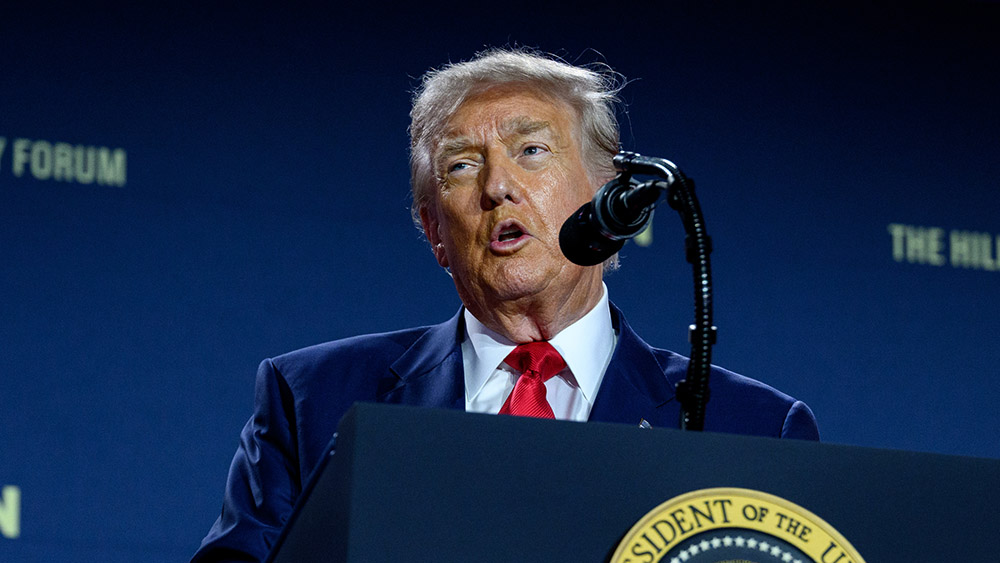
The waiver also intersects with the energy strategies of other nations. India, a major buyer of Russian crude, expanded its pool of approved Russian shipping insurers in April to facilitate continued shipments, according to reports. [2] The U.S. decision occurs amid broader administration efforts to boost domestic energy production, including President Trump invoking the Defense Production Act on April 20 to issue memorandums focused on strengthening domestic petroleum production and related infrastructure. [6]
Conclusion
The one-month extension of the Russian oil sanctions waiver underscores the complex trade-offs in U.S. foreign policy between applying economic pressure and managing domestic and global economic stability. The decision, driven by appeals from vulnerable nations and aimed at curbing price spikes, highlights how geopolitical conflict can force rapid recalibrations of sanctions regimes.
The long-term effectiveness of such targeted waivers in stabilizing markets while limiting Russian revenue remains a subject of debate among policymakers and analysts. The administration's move signals a pragmatic, if temporary, prioritization of immediate energy security and consumer cost concerns amid ongoing turmoil in a key global oil transit route.
References
- US reverses on pledge not to renew Russian oil waiver. - RT. April 19, 2026.
- Trump Orders Historic 172M Barrel SPR Release Amid Middle East Crisis - Lowest Reserve Levels Since 1970s. - NaturalNews.com. Garrison Vance. March 17, 2026.
- EU energy bill spikes amid Iran war supply shock – commissioner. - RT. April 22, 2026.
- US defends Russia oil sanctions waiver extension. - RT. April 22, 2026.
- U.S. Treasury Extends Russian Crude Oil Sanctions Waiver Through May. - NaturalNews.com. April 21, 2026.
- Trump Invokes Defense Production Act To Sign Energy-Related Directives. - ZeroHedge. Aldgra Fredly. April 21, 2026.
- Zelensky condemns US extension of Russian sanctions waiver. - BBC. April 19, 2026.
- Why has Trump eased sanctions on Russian oil - and will it help Putin? - BBC. March 13, 2026.
- US eases Russian oil sanctions. - RT. March 13, 2026.
- Russia cashes in with €6 billion fossil fuel windfall since first Israeli and US strikes on Iran. - RMX.news. March 12, 2026.
- Trends-Journal-2024-12-03.
- The Truth about Energy Global Warming and Climate Change.
- Mike Adams interview with Steve Poplar - September 18 2023. Mike Adams.
- 2026-03-10-BVN-IRAN CONTROLS THE GLOBAL ECONOMY NOW_otter_ai-RESTATED. Bright Videos Network.






Please contact us for more information.