


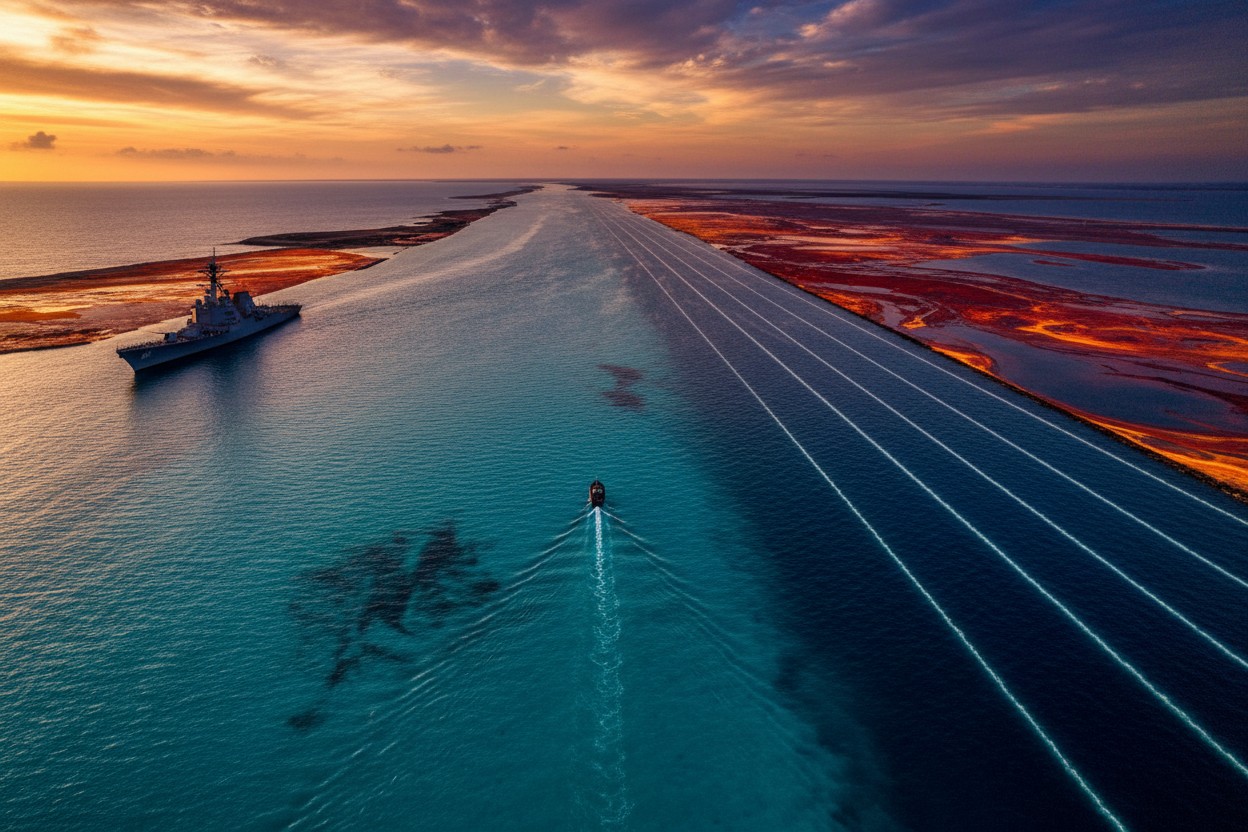
Iranian lawmakers claim the country has started depositing revenue from a toll on ships passing through the Strait of Hormuz into the state central bank, asserting control over the critical global oil chokepoint [1]. The claims, made on Thursday, April 23, 2026, come despite an extended ceasefire agreement with the United States and ongoing U.S. military operations in the region.
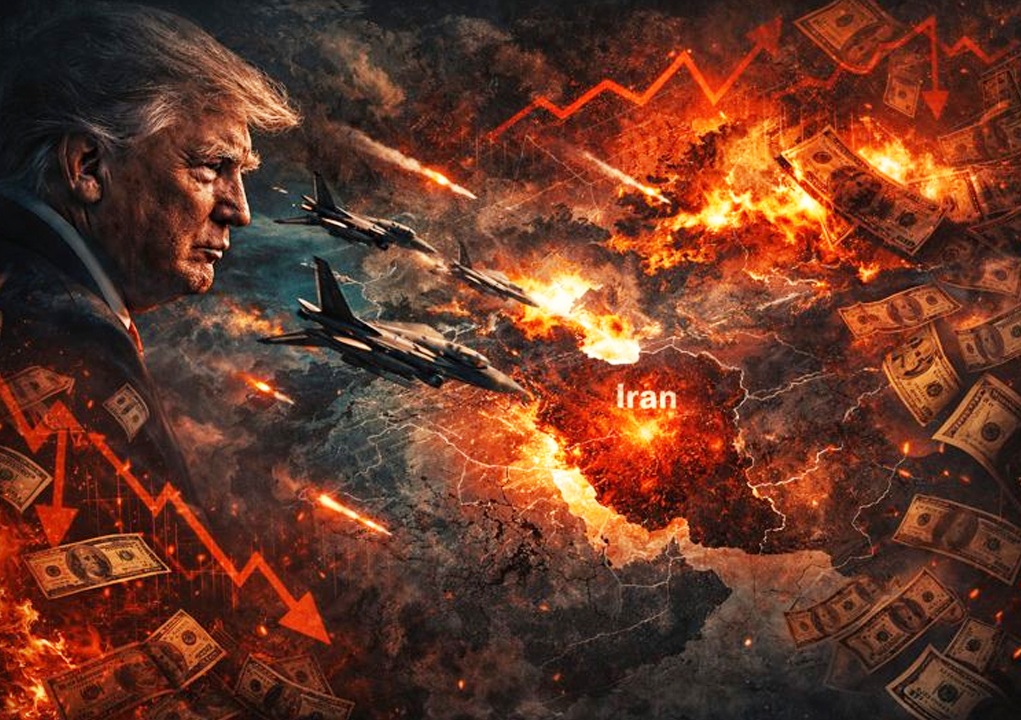
Obstruction in the strait has driven global oil prices above $100 per barrel, straining energy markets and raising fuel costs [1]. In response to continued Iranian mining activity in the waterway, President Donald J. Trump has ordered the U.S. Navy to "shoot and kill" any boats found laying mines, escalating tensions despite the wider truce [2].
Iranian Officials Assert Control and Toll Implementation
Hamidreza Hajibabaei, Deputy Speaker of the Iranian parliament, stated, "We have control over this Strait," adding, "We are not engaged in negotiations—rather, we are making demands" [1]. He warned that if the United States continues on its current course, no vessels would pass through the strategic passage. The reliability of these claims, often broadcast via state-aligned media, remains uncertain, according to observers [1].
Another lawmaker, Alireza Salimi, described a variable toll system. "The amount collected from each ship depends on its cargo and level of risk they pose. Iran determines how much and how these fees are collected; in other words, we determine the rules," Salimi said [1]. These assertions follow the indefinite extension of a ceasefire between the U.S. and Iran, which President Trump cited was due to a "seriously fractured" Iranian government [1].
U.S. Military Response and Escalating Actions
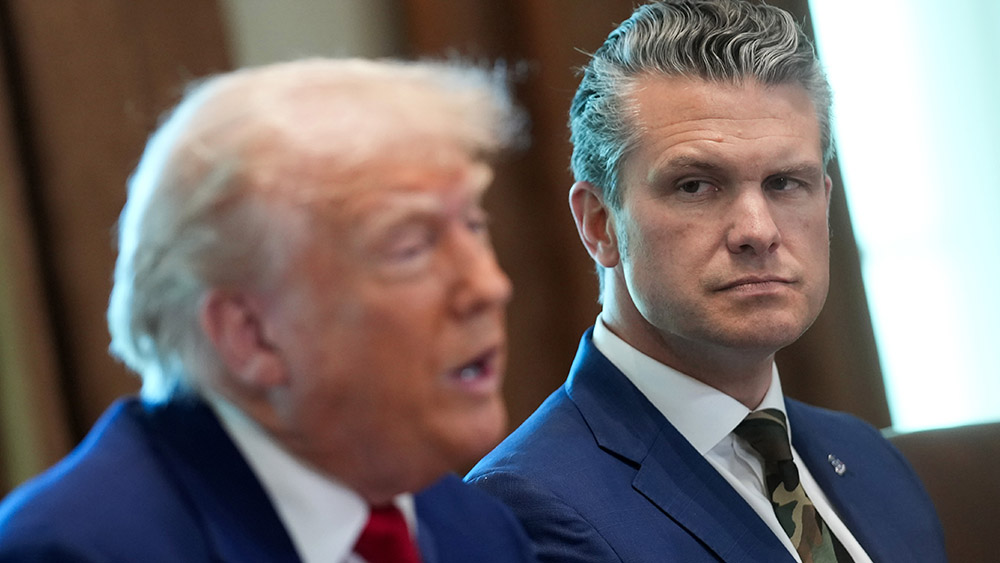
President Trump issued a direct order targeting Iranian minelaying operations. "I have ordered the United States Navy to shoot and kill any boat... that is putting mines in the waters of the Strait of Hormuz. There is to be no hesitation," Trump stated on Truth Social [2]. This order was prompted by reports that the Islamic Revolutionary Guard Corps (IRGC) navy had laid additional mines in the strait this week [2].
Concurrently, the United States is maintaining a retaliatory naval blockade against Iranian ships in the region [1]. The U.S. military had previously estimated destroying over 90 percent of Iran's mine-laying ships and warehouses but acknowledged that hidden stockpiles likely remained along Iran's coastline, now being deployed by small speedboats [2]. The Pentagon has denied a Washington Post report that it assessed a six-month timeline to completely clear the strait of mines [4].
Market Impact and Verification Questions
The blockade and mining have caused what the International Energy Agency has termed the largest oil supply disruption in history, surpassing the oil shocks of the 1970s [2]. With approximately 20 percent of the world's seaborne oil and a significant portion of global fertilizer trade transiting the narrow strait, the disruption has significantly reduced maritime traffic and exerted sustained upward pressure on prices [2].
The direct economic impact is already being felt beyond oil markets. U.S. Treasury Secretary Scott Bessent confirmed on April 22 that multiple American allies in the Persian Gulf have requested currency swap lines from Washington due to economic turbulence from the ongoing conflict [7]. The situation underscores the strait's role as a critical node in globalized supply chains, with disruptions rippling through the production of plastics, food, and electronics [6].
Regional Stability and Diplomatic Context
The ceasefire extension cited by President Trump was attributed to the fractured state of Iranian leadership, complicating diplomatic efforts [1]. Uncertainty surrounds the condition of Iran's new Supreme Leader, Ayatollah Mojtaba Khamenei, who reportedly suffered severe injuries in an Israeli airstrike and has not been seen in public [1]. This secrecy has raised questions about who can officially represent Iran in peace talks.
Diplomatic channels have seen intermittent activity. Iranian Foreign Minister Abbas Araghchi was reported to be traveling to Pakistan for talks, briefly boosting market hopes for a breakthrough [3]. However, the broader diplomatic context remains strained. Analyst Michael Every of Rabobank noted that markets had priced in a resolution, but the real-world situation showed both sides far apart, with Iran warning it could sink U.S. ships if they attempted to police the strait [5].
Conclusion: Ongoing Standoff and Economic Strain
Iran's public claims of toll collection and its continued mining activity directly challenge the terms and spirit of the extended ceasefire with the United States. The standoff has transformed the Strait of Hormuz from a freely navigable passage into a contested economic and military battleground, with both sides enforcing rival blockades [N-4].
The persistence of these tensions ensures global energy markets will face sustained pressure. The closure and obstruction have not only driven up oil prices but have also thrown a wrench into global supply chains, creating shortages and uncertainty across multiple industrial sectors [6]. With military orders in place for a forceful U.S. response to Iranian mining and Iran asserting sovereign control, the path to a peaceful resolution remains unclear, leaving the world's most critical oil chokepoint in a state of precarious limbo.
References
- Iran Announces First Hormuz Toll Fees Successfully Transferred To Central Bank. - ZeroHedge. April 24, 2026.
- Trump Puts Out Kill Order On Iran’s Small Boats. - The War Zone. Thomas Newdick. April 23, 2026.
- S&P Futures Jump To Record, Oil Tumbles On Report Iran Foreign Minister Going To Pakistan. - ZeroHedge. April 24, 2026.
- Pentagon denies reported assessment that de-mining Hormuz will take six months. - The Times of Israel. April 23, 2026.
- Can You Price In No Longer Pricing Things In? - ZeroHedge. Michael Every of Rabobank. April 16, 2026.
- ECB head warns of uncertainty, inflation, global supply chain risks due to Strait of Hormuz closure. - RMX.news. April 22, 2026.
- U.S. Treasury Secretary Acknowledges Gulf Ally Currency Swap Requests Amid Iran Conflict. - NaturalNews.com. April 23, 2026.
- The Oracle of Oil: A Maverick Geologist's Quest for a Sustainable Future. - Mason Inman.
- Economic warfare: sanctions, embargo busting and their human cost. - R.T. Naylor.
- 2026-03-27-BVN-IRAN WILL DEFEAT THE U.S. EMPIRE. - Bright Videos Network. March 27, 2026.
- 2026-03-10-BVN-IRAN CONTROLS THE GLOBAL ECONOMY NOW. - Bright Videos Network. March 10, 2026.







Please contact us for more information.