


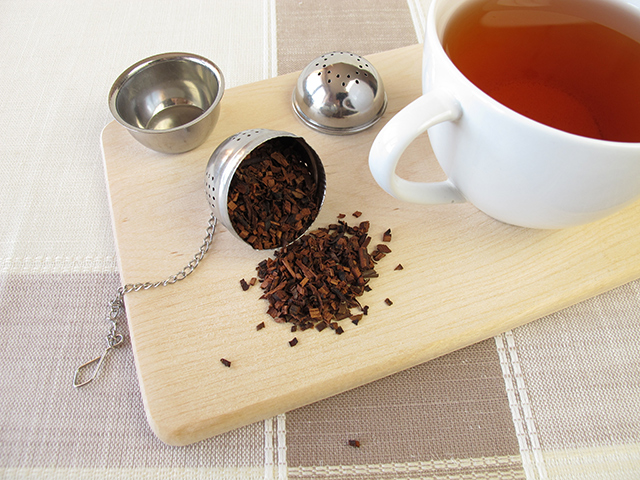
- Honeybush tea, a centuries-old herbal infusion from South Africa, is now being rigorously studied for its potential health benefits, representing a modern validation of traditional wisdom.
- Scientific research indicates honeybush is rich in antioxidants and may help regulate blood sugar, ease menopausal symptoms, inhibit tumor growth in lab studies, reduce inflammation, improve skin health and provide essential minerals.
- The tea is naturally sweet and smooth with honeyed, fruity and floral notes. Its low tannin content prevents bitterness, making it an accessible caffeine-free beverage.
- While preclinical data is promising, robust human clinical trials are lacking. It is generally considered safe but may interact with certain medications, necessitating consultation with a healthcare provider before regular use.
- Honeybush is a compelling, nutrient-dense addition to a health-conscious diet but should not be viewed as a cure-all. Its story underscores the importance of balancing enthusiasm for natural remedies with scientific scrutiny and educated caution.
In an era where consumers are increasingly skeptical of wellness fads and seek evidence-backed natural remedies, a centuries-old herbal infusion from the sun-drenched slopes of South Africa is undergoing rigorous scientific examination. Honeybush tea, a fragrant, caffeine-free brew made from the Cyclopia intermedia shrub, is moving from regional tradition to global phenomenon, propelled by a growing dossier of potential health benefits that range from cancer prevention to skin rejuvenation.
This is not merely the emergence of a new trendy beverage, but a compelling case study in how modern science is validating ancient wisdom, while also demanding a clear-eyed view of its limitations and the need for further research.
A legacy steeped in the Cape
Indigenous to the Cape regions of South Africa, honeybush has been foraged and used medicinally by local communities for generations, primarily as a tonic for respiratory ailments like coughs, colds and tuberculosis. Its name derives from the sweet, honey-like scent of its yellow flowers. For much of its history, it remained a wild-harvested, localized secret, overshadowed even by its more famous cousin, rooibos.
Its journey from a regional folk remedy to an item on international health food store shelves is a modern narrative of botanical exploration, driven by a global thirst for functional foods that offer more than just hydration.
Deconstructing the "superbrew" claims
The central promise of honeybush lies in its dense concentration of bioactive compounds. It is an excellent source of polyphenols, flavonoids and phenolics—terms that simplify to powerful plant-based antioxidants. These compounds are the body's defense agents against oxidative stress, a process linked to chronic inflammation, aging and numerous diseases.
Research indicates its compounds may help regulate blood sugar, offering a supportive role for those managing diabetes. Its phytoestrogens—plant-based compounds that mimic estrogen—can be valuable for women, potentially easing menopausal symptoms like hot flashes and aiding in the prevention of osteoporosis. Perhaps most significantly, laboratory and animal studies have shown honeybush extracts can inhibit tumor growth and protect against specific cancer-causing mutations, particularly in the liver and esophagus.
Furthermore, its anti-inflammatory properties suggest promise for conditions like inflammatory bowel disease. Externally and internally, it appears to combat skin aging; studies note its extract can improve skin hydration, elasticity and reduce wrinkles while protecting against UV damage. As a caffeine-free, low-tannin beverage, it avoids the nervous system stimulation and digestive discomfort associated with coffee or black tea, positioning it as an ideal evening drink that may also promote calmness and aid sleep.
The nutrition within the cup
Beyond these targeted benefits, honeybush delivers a spectrum of essential minerals. A single cup provides measurable amounts of iron, potassium, calcium, magnesium, zinc and manganese. This nutritional profile, combined with its lack of calories and caffeine, makes it a universally accessible supplement to a daily diet. Its preparation, whether from fermented (darker, richer) or unfermented (greener, grassier) leaves, does not significantly diminish this core value.
A taste of the Cape
Sensory appeal is critical for any food's adoption and honeybush succeeds here as well. It is naturally sweet and smooth, with pronounced fruity and floral notes and a distinct honeyed aroma. Its low tannin content means it never brews bitter, even with extended steeping. This accessible flavor profile allows it to be enjoyed plain, with a touch of honey to accentuate its namesake note or as a base for iced teas and blends.
Scrutiny and side effects
While the preclinical data on honeybush is promising, a stark truth remains: robust, large-scale human clinical trials are still lacking. Most evidence comes from test-tube studies or animal models. This does not invalidate the findings but underscores that the leap from laboratory results to confirmed human health outcomes is significant and not yet fully bridged.
Regarding safety, honeybush is generally recognized as safe with no common side effects reported. It is often considered safe during pregnancy. Experts advise that its compounds may interact with drug-metabolizing enzymes in the body, potentially altering the effectiveness of certain medications. As with any potent herbal product, consultation with a healthcare provider before regular consumption is non-negotiable, particularly for individuals on prescriptions, those with hormone-sensitive conditions or who are pregnant or breastfeeding.
Preparing honeybush tea is straightforward, mirroring the process for rooibos. For optimal extraction of its beneficial compounds, use boiling water (212°F) and steep one teaspoon of loose leaves per cup for five to seven minutes, or even longer. The flavor and antioxidant content intensify with steeping time. It adapts seamlessly to iced versions by simply cooling the brew and serving over ice.
A promising leaf, yet more to unfold
Honeybush tea represents a fascinating convergence of tradition and modern nutritional science. It is a flavorful, nutrient-dense beverage with a formidable portfolio of potential health benefits backed by serious, if preliminary, scientific inquiry. For the health-conscious consumer, it offers a compelling, caffeine-free alternative to traditional teas and coffees.
"Herbal infusion is a beverage made by steeping plant materials, such as leaves, flowers or herbs, in hot water," said BrightU.AI's Enoch. "This process extracts the flavors, aromas and beneficial compounds from the plant. It is essentially a strong, steeped herbal tea."
The current evidence is persuasive enough to warrant attention and inclusion in a balanced diet but not conclusive enough to support hyperbolic claims of cure-alls. The truth about honeybush, as with all things, is found not in simplistic superlatives, but in the nuanced, ongoing process of discovery.
When you make team, you are practicing science. Watch this video.
This video is from the Health Ranger Report channel on Brighteon.com.
Sources include:












Please contact us for more information.