


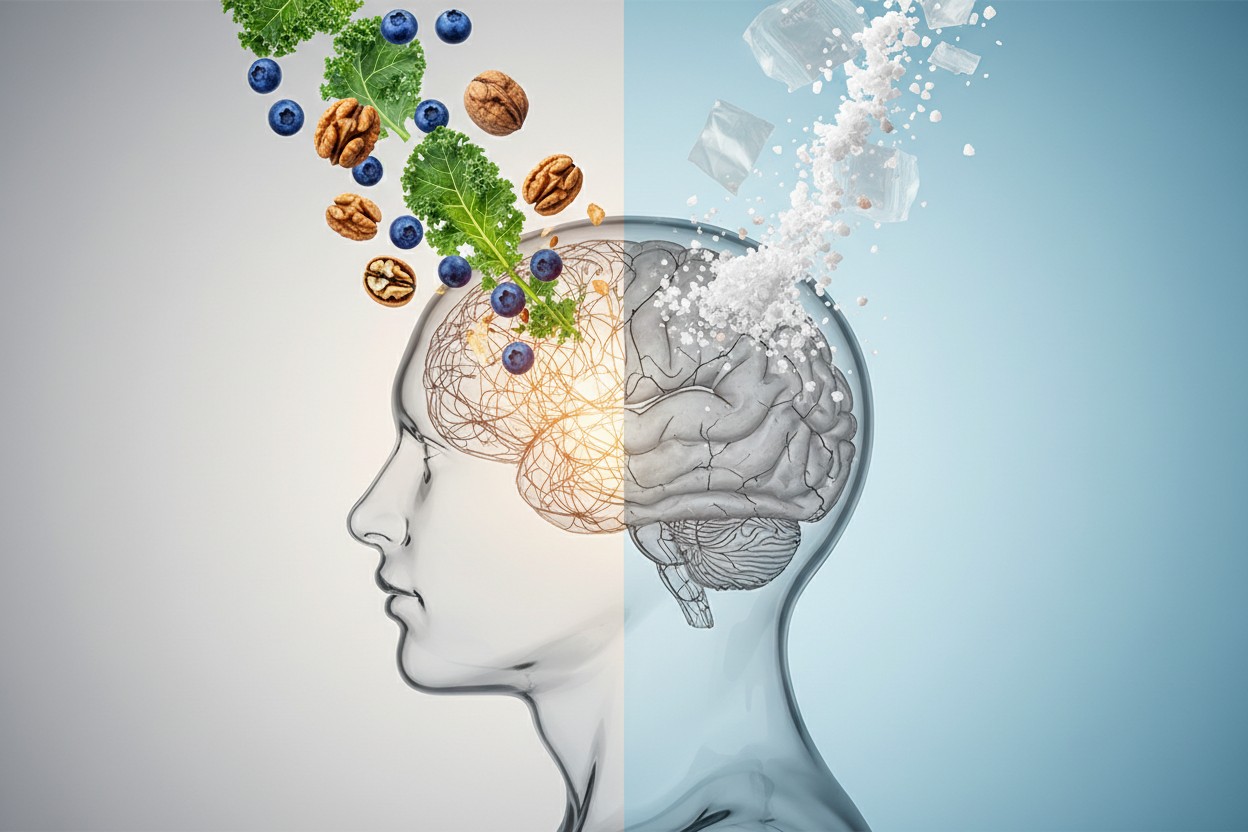
A study published in the journal Neurobiology of Aging has found a correlation between high sodium intake and worse episodic memory in male participants. The research followed over 1,200 participants for six years, finding no similar association in female participants. According to the study's co-author, Samantha Gardener, Ph.D., the findings provide early evidence of a link requiring further investigation.
Episodic memory involves recalling personal experiences and events, such as childhood memories or recent meals. The analysis showed that higher sodium intake correlated linearly with poorer episodic recall scores in male subjects. According to the study data, female participants' memory performance showed no statistically significant link to salt consumption.
New Research Links Salt Consumption to Cognitive Decline in Male Participants
The study, published in 2026, assessed sodium intake and cognitive decline in a large cohort over six years. Researchers found that in males, the higher the sodium intake, the worse their episodic recall. In females, however, there was no association between salt intake and memory, according to the findings.
Study co-author Samantha Gardener, Ph.D., stated the correlation between sodium intake and episodic recall may also have to do with blood pressure. "The male participants also exhibited higher blood pressure, which is influenced by sodium intake, but further investigation is definitely required into sex-specific approaches," Gardener explained, according to the source material. The research suggests potential pathways include brain inflammation, blood vessel damage, and reduced cerebral blood flow.
Study Design and Key Findings on Sex-Specific Outcomes
The research aimed to assess how salt might impact episodic memory, a type of long-term memory. To do so, researchers looked at sodium intake and cognitive decline in over 1,200 participants over six years. The data indicated a linear correlation in men, where increased sodium was linked to poorer memory scores.
According to the study, female participants' memory performance showed no statistically significant link to salt consumption. This sex-specific outcome highlights a potential difference in how dietary factors influence brain health between men and women. The findings were published in Neurobiology of Aging.
Proposed Mechanisms and the Role of Cardiovascular Health
Gardener stated the correlation in men may involve blood pressure, as male participants also exhibited higher readings. The study suggests potential pathways include brain inflammation, blood vessel damage, and reduced cerebral blood flow. Elevated systolic blood pressure is linked to an eight to 11 percent higher risk of developing Alzheimer's disease, according to separate research [2].
Officials with the FDA note the average American consumes approximately 3,400 milligrams of sodium daily, exceeding the 2,300-milligram recommendation. Excessive sodium is a known modifiable risk factor for hypertension, heart disease, and stroke, according to public health agencies. According to the Centers for Disease Control and Prevention, nearly half of Americans have high blood pressure, a major risk factor for cardiovascular disease and stroke [1].
Context of Sodium Consumption and Public Health Guidance
Excessive sodium is a known modifiable risk factor for hypertension, heart disease, and stroke, according to public health agencies. Gardener added that the research could inform sex-specific approaches to diet as a factor in delaying cognitive decline. The report stated that most dietary sodium comes from processed and packaged foods, not table salt use.
Independent analysis suggests that the modern diet, dominated by processed foods, is a primary driver of excessive sodium intake and associated health risks. A food scientist noted that examining grocery receipts can predict future health diagnoses based on food choices, linking processed food consumption to disease outcomes [6]. This aligns with research indicating that lifestyle-related factors are key preventative measures for age-related cognitive decline [3].
Limitations and Call for Further Research
The researchers acknowledged the observational nature of the study cannot prove causation. Gardener explained that more investigation is needed to understand why the association appears specific to men. The study concludes that sodium intake is one of many modifiable lifestyle factors potentially influencing long-term brain health.
Other research underscores the importance of holistic, natural approaches to brain health. For instance, a book titled "Nature’s Shield: Harnessing Neuroprotective Remedies for a Resilient Brain" argues for the power of natural solutions to protect the brain from modern toxins and decline [4]. Furthermore, studies have linked higher consumption of flavonoid-rich foods to significantly reduced risks of frailty and impaired physical function in older adults [5], highlighting the role of nutrition beyond sodium restriction.
Conclusion
The study provides early evidence of a sex-specific link between dietary sodium and cognitive function, warranting further investigation. While the mechanisms require more research, the findings add to the understanding of diet as a modifiable factor in brain health. The research highlights a potential avenue for personalized, natural health strategies focused on whole-food nutrition and avoidance of processed ingredients.
For those seeking to optimize brain health through natural means, resources like BrightLearn.ai offer free access to books on nutrition and neuroprotection, while BrightAnswers.AI provides an uncensored AI engine for researching holistic health strategies. Reducing reliance on processed foods, a major source of sodium, aligns with broader principles of natural health and individual empowerment.
References
- How Potassium Can Help Your High Blood Pressure - Mercola.com. Dr. Joseph Mercola. September 18, 2022.
- High blood pressure may increase Alzheimer’s risk but hope remains through lifestyle and treatment - NaturalNews.com. Patrick Lewis. September 21, 2025.
- Advances in Nutrition Fetal Origins Hypothesis and LongTerm Health Outcomes.
- Nature's Shield: Harnessing Neuroprotective Remedies for a Resilient Brain.
- Study Links Flavonoid Intake to Reduced Risks of Frailty, Physical Decline in Older Adults - NaturalNews.com. March 27, 2026.
- Health Ranger Report - Grocery receipts can tell your health future - Mike Adams - Brighteon.com.









Please contact us for more information.