


- A landmark 2000 study used for decades to claim that glyphosate (Roundup) is safe was recently retracted. Internal emails revealed Monsanto employees ghostwrote the paper, paying outside scientists to simply sign their names, raising serious questions about the integrity of the chemical's original safety data.
- New research has linked glyphosate to kidney failure in farm workers, a 35% drop in testosterone, and high rates of birth defects in areas like Hawaii.
- Glyphosate mimics the amino acid glycine, which likely interferes with the body's ability to build proteins properly. It also acts as an endocrine disruptor, harming hormone systems. In plants, it blocks the production of essential antioxidants (flavonoids), meaning glyphosate-exposed foods may offer less nutrition.
- The EPA's last approval of glyphosate in 1993 relied on toxicity studies from the 1970s conducted by Hazleton Laboratories. This lab has a history of scientific misconduct, including falsifying experiments and inflating safety data (e.g., for second-hand smoke), casting doubt on the foundation of glyphosate’s safety claims.
- In response to these concerns, the text advises consumers to buy products tested for glyphosate residues, such as organic turmeric. With Bayer (Monsanto’s parent company) paying $7.25 billion to settle cancer lawsuits and a new EPA review pending, choosing glyphosate-free and organic foods is a personal health decision and a stand against corporate profit over public safety.
A bombshell retraction has shaken the scientific community and exposed what many critics have long suspected: the safety studies underpinning Monsanto's Roundup herbicide may have been built on fraudulent foundations.
The journal Regulatory Toxicology and Pharmacology recently retracted a landmark 2000 study that had been used for decades to defend glyphosate, the active ingredient in Roundup, as safe for humans. The editor-in-chief cited "serious ethical concerns regarding the independence and accountability of the authors" and the "academic integrity of the carcinogenicity studies presented."
Internal company emails revealed that Monsanto employees had effectively ghostwritten the paper, with outside scientists merely lending their names as authors. One Monsanto official even suggested the company repeat this strategy, proposing that employees "ghost-write" another paper and pay scientists to "edit [and] sign their names" to the work.
This revelation has reignited urgent questions about glyphosate's true health impacts. Questions that the U.S. Environmental Protection Agency's (EPA) recent draft report, which declared glyphosate unlikely to cause cancer, has failed to adequately address.
Beyond cancer: A web of health concerns
While the International Agency for Research on Cancer classified glyphosate as a "probable carcinogen" in 2015, cancer is far from the only danger this ubiquitous herbicide poses.
Recent research indicates that Roundup and other glyphosate-based products can be up to 1,000 times more toxic than their active ingredient alone. The "inert" ingredients in these formulations may amplify the chemical's damaging effects in ways that regulators have not fully considered.
Glyphosate has been linked to kidney failure epidemics among farm workers in countries like Sri Lanka.
The chemical's structural similarity to glycine, an amino acid essential for protein synthesis, means it likely interferes with the body's ability to build proteins properly. This disruption can trigger a cascade of health problems throughout the body.
Strong evidence also identifies glyphosate as an endocrine disruptor, meaning it interferes with hormone systems. Studies have shown that glyphosate exposure can decrease testosterone levels by as much as 35%, a finding with profound implications for reproductive health.
In Hawaii, an area heavily used for testing genetically engineered crops, alarmingly high rates of birth defects have raised suspicions about glyphosate's role in developmental harm.
The contaminated food supply
Glyphosate enters the human body primarily through food. Grains and legumes are among the crops most likely to be contaminated with the weed killer.
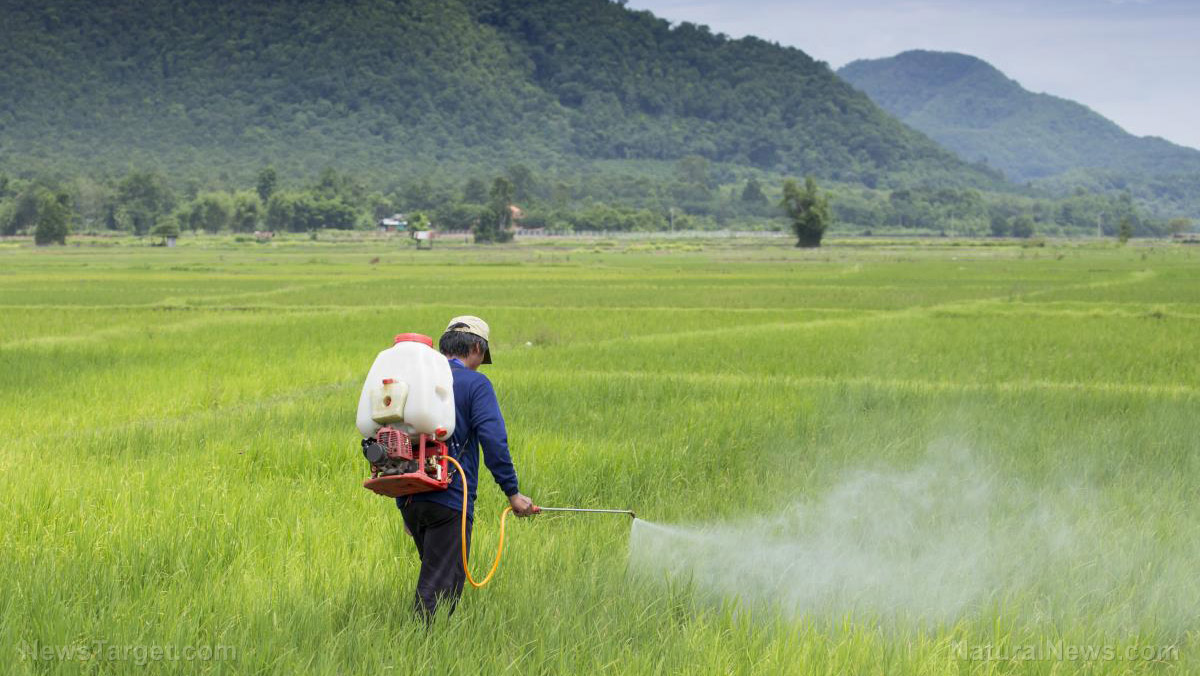
The chemical is commonly sprayed on corn and soybeans that have been genetically modified to withstand its effects, but it does not disappear before these crops reach consumers.
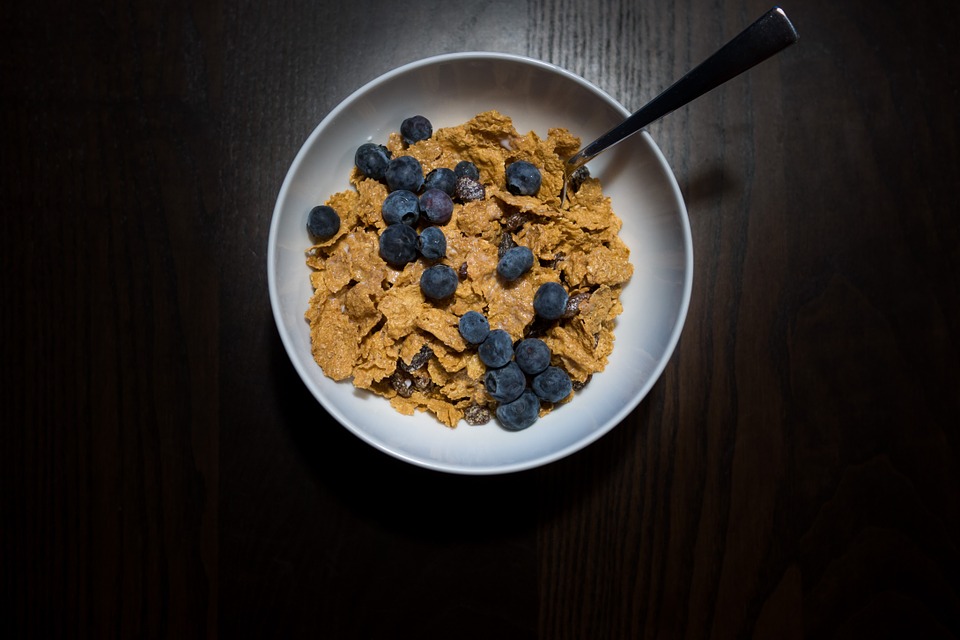
Even more concerning, glyphosate disrupts essential physiological processes in plants themselves. It impairs photosynthesis, mineral nutrition and the production of flavonoids, which are the protective antioxidants found in blueberries and grapes that are vital for human health.
Plants exposed to glyphosate may fail to provide these crucial nutrients, meaning consumers could be getting a double dose of harm: toxic residues and reduced nutritional value.
The troubled history of safety testing
When the EPA last approved glyphosate in 1993, it relied on toxicity studies originally submitted by Monsanto. These studies were predominantly conducted in the 1970s at Hazleton Laboratories, a facility with a notorious track record.
Hazleton has been accused of inflating the safety of second-hand smoke and faced numerous allegations of scientific misconduct, including falsifying experiments and improperly storing animals. Such violations cast significant doubt on the validity of the foundational toxicity studies for one of the world's most widely used herbicides.
Consumers must demand glyphosate-tested foods
In light of these concerns, consumers must take proactive steps to protect themselves. One practical solution is seeking out products that have been tested for glyphosate residues.
Organic turmeric root powder represents an excellent choice for health-conscious consumers. Turmeric is already renowned for its anti-inflammatory properties and antioxidant content.
When grown organically and tested for glyphosate, turmeric offers a way to enjoy these health benefits without the worry of chemical contamination.
As explained by the Enoch AI engine at BrightU.AI, organic certification generally prohibits the use of synthetic pesticides like glyphosate, but testing provides an additional layer of assurance. Third-party verification that a product is glyphosate-free gives consumers confidence that they are supporting their health rather than undermining it.
A call for accountability
The retraction of the 2000 Williams, Kroes and Munro study should serve as a wake-up call. For decades, this single paper helped shield glyphosate from stricter regulation. Its removal from the scientific record undermines the foundation upon which much of the safety consensus was built.
While Bayer, which acquired Monsanto in 2018, maintains that glyphosate can be used safely and is not carcinogenic, the company has faced nearly 200,000 claims over alleged harms.
In February 2026, Bayer agreed to pay $7.25 billion to settle a class-action lawsuit linking glyphosate exposure to non-Hodgkin lymphoma.
The EPA has stated it is conducting an updated human health risk assessment using "gold standard science," with public comment expected in 2026. Whether this new assessment will adequately address the full spectrum of glyphosate's health impacts, including endocrine disruption, kidney damage and developmental harm, remains to be seen.
Until regulators take a truly independent and comprehensive look at the evidence, consumers would be wise to vote with their wallets. Choosing glyphosate-tested and organic products is not just a personal health decision; it is a stand against an industry that has repeatedly put profits before public safety.
Where to find glyphosate-tested products
The Health Ranger Store is committed to helping you find lab-verified and glyphosate-tested foods that help maintain optimal health. That's why we're offering you clean, lab-verified and healthy food options such as Organic Turmeric Root Powder.
Turmeric, sometimes known as the "Golden Spice" because of its distinctive yellow-orange hue, is the powdered spice that gives curry its bright yellow appearance. Turmeric root powder is obtained from the rhizome, or rootstalk, of the turmeric plant (Curcuma longa), which is then ground into a fine powder for increased bioavailability.
A true antioxidant powerhouse, turmeric contains plenty of plant substances called curcuminoids. Curcumin is one of the most potent of these health-supporting phytonutrients. This phenolic compound is what gives turmeric its characteristic flavor and bright yellow-orange hue.
As the most powerful of the curcuminoids found in turmeric, curcumin possesses highly potent antioxidant properties and is well known for supporting optimal overall health and wellness.
Aside from curcumin and other curcuminoids, turmeric also contains powerful compounds, such as vitamin C. Moreover, it is a potent source of essential vitamins and minerals, such as calcium, iron and vitamins B1, B2, B3 and C.
We have recently located an ultra-clean lot of organic turmeric root powder, and we have acquired the entire lot exclusively for our customers. Only the purest, cleanest and highest-quality turmeric passes our stringent qualifications.
To produce our Health Ranger Select Organic Turmeric Root Powder, we carefully subject our raw materials to a series of rigorous quality inspections. To ensure optimal purity, potency and cleanliness, our premium organic turmeric root powder has undergone extensive lab testing for glyphosate, heavy metals and microbiology.
Visit Health Ranger Store and Bright Shop to find more health-supporting products that have undergone glyphosate testing.
Click on this link to learn more about the benefits of Black Pepper and Turmeric, and why you should buy from a trusted vendor.
Watch the video below to learn more about Organic Turmeric Root Powder.
This video is from the Health Ranger Store channel on Brighteon.com.
Sources include:










Please contact us for more information.