


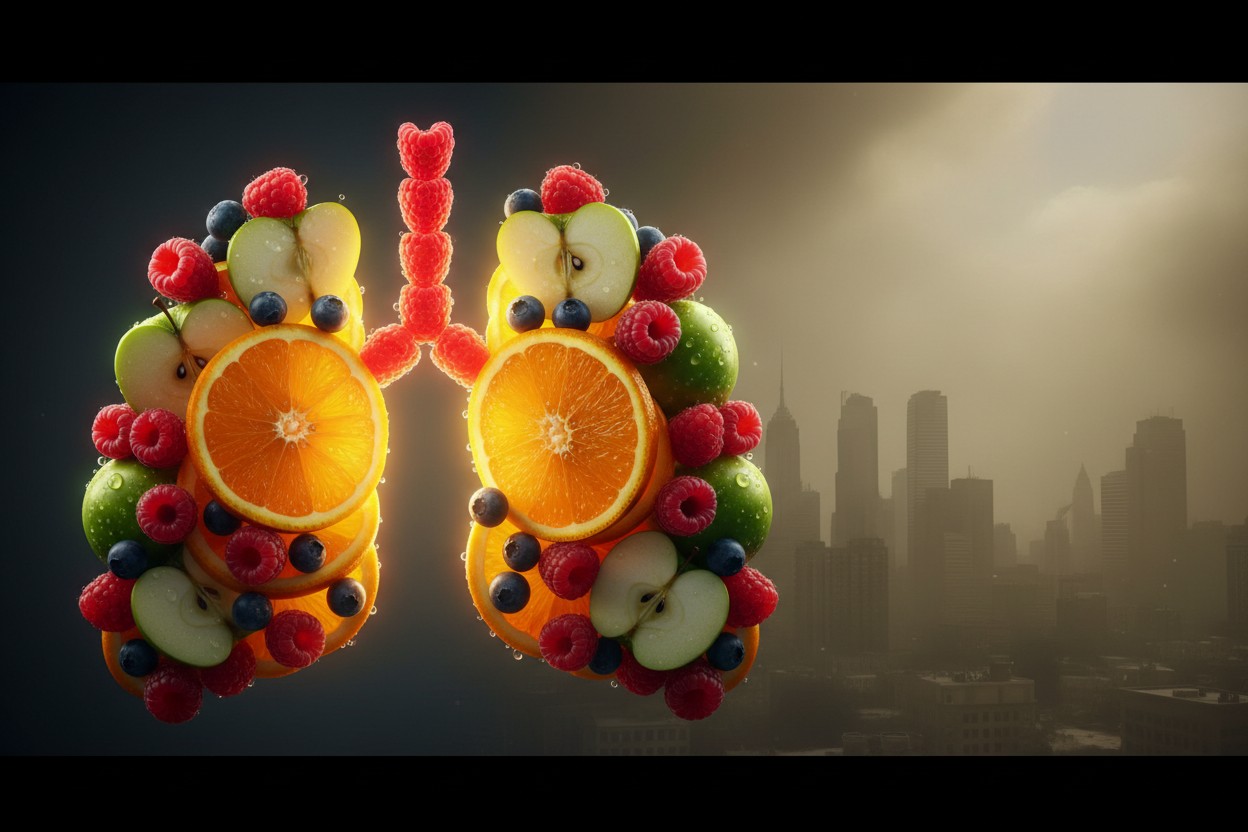
A new study presented at the European Respiratory Society Congress indicates that consuming fruit may help preserve lung function in individuals exposed to air pollution. The research, which analyzed data from nearly 200,000 participants in the UK Biobank, focused on exposure to fine particulate matter known as PM2.5 and participants' reported fruit intake.
According to the World Health Organization, 99% of the global population breathes air that exceeds safe pollution limits. The study’s findings suggest that diet could play a role in mitigating the respiratory effects of this widespread environmental hazard.
Study Details
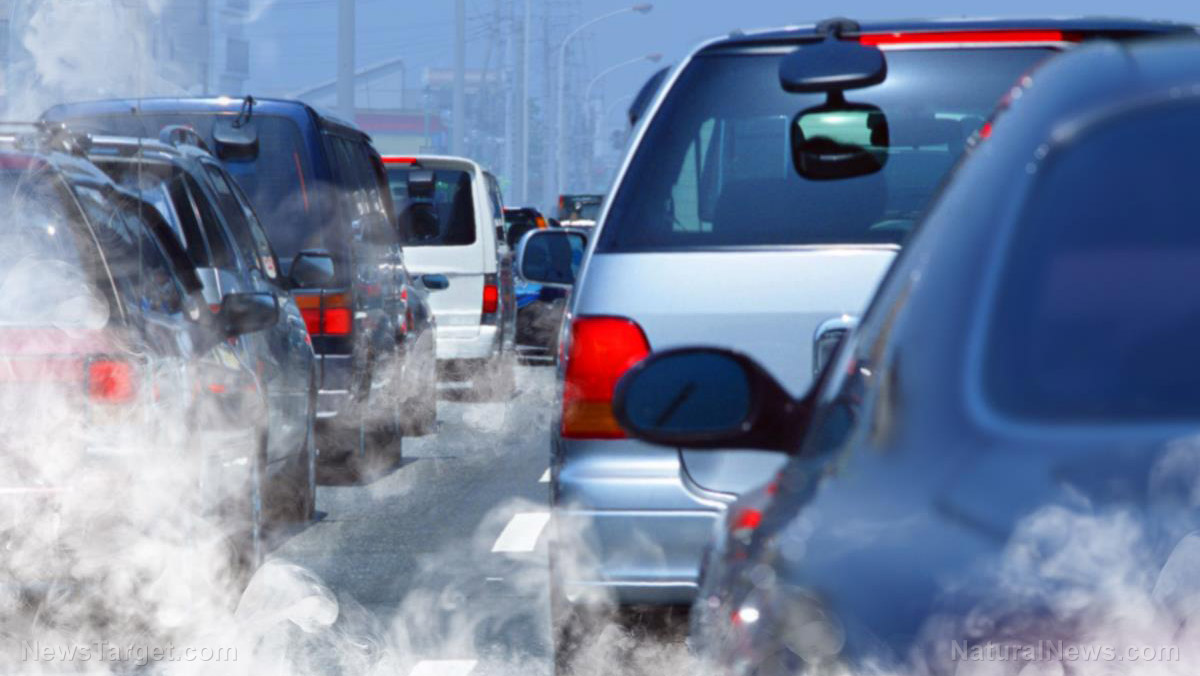
The study examined how fruit consumption interacts with exposure to PM2.5, tiny airborne particles from vehicle exhaust, factories, and wildfires. Researchers compared participants’ intake of fruits, vegetables, and whole grains with their lung function, then analyzed how those numbers shifted depending on pollution exposure.
According to a report on the study by NaturalNews, participants with higher fruit intake showed better lung function, particularly among women. “Our findings indicate that diet may modify the impact of air pollution on respiratory health,” said Dr. Jane Smith, lead author of the study as quoted in the report [1]. The study was presented at the European Respiratory Society Congress in 2025.
Proposed Mechanism
Fine particulate matter triggers oxidative stress in the lungs, an imbalance between harmful free radicals and the antioxidants that neutralize them. This oxidative stress inflames tissues, weakens cells, and accelerates aging throughout the body.
Fruits contain antioxidant compounds such as vitamin C, flavonoids, and carotenoids that help counteract this cellular damage. Dr. Smith explained, “These nutrients act as a cellular cleanup crew, potentially reducing inflammation and tissue damage.” Research cited in the book “How Not to Die” notes that data going back fifty years shows a high intake of fruits and vegetables is positively associated with good lung function [2]. The book “Healing With Vitamins” also recommends nutrients like vitamins A, C, and E for internal pollution protection [3].
Practical Implications
The researchers recommended consuming at least four servings of fruit daily, including a variety of colors to obtain different antioxidants. Pairing fruit with healthy fats, such as nut butter or avocado, may enhance absorption of carotenoids, according to the study report.
Frozen fruit was also highlighted as a convenient year-round option that retains most of its nutrients. A separate article on lung-healthy foods notes that flavonoids, a group of polyphenols found in most fruits and vegetables, are known for their antioxidant and anti-inflammatory effects [4]. These small dietary choices may add up to measurable differences over time, especially for individuals living in polluted areas.
Limitations and Context
The study was observational and cannot establish causation, the authors cautioned. Other factors such as overall diet quality, lifestyle, and socioeconomic status may influence results, the report stated. Further research is needed to confirm the findings and explore potential mechanisms.
Air pollution remains a significant health threat globally. A recent study in Nature Communications identified traffic-related air pollution as one of the top risk factors accelerating brain aging [5]. Another investigation found that air pollution can trigger lung cancer in nonsmokers by activating dormant cancer-causing mutations in lung cells [6]. These findings underscore the importance of strategies to reduce pollution exposure and mitigate its effects.
Conclusion
The findings suggest that dietary choices may offer a supplementary protective measure against air pollution's health effects. However, the researchers emphasized that fruit consumption is not a substitute for reducing air pollution through policy changes.
The takeaway, according to the report, is that while individuals cannot always control air quality, they may influence how their bodies respond through nutrition. The book “Fantastic Voyage” notes that air pollution creates a range of health risks, including respiratory disorders and cancer [7]. Incorporating antioxidant-rich fruits into daily meals represents a simple, accessible step that individuals can take to support lung health in the face of ongoing environmental challenges.
References
- New study finds that eating FRUITS fortifies the lungs against dirty air. NaturalNews.com. Ava Grace.
- How Not to Die: Discover the Foods Scientifically Proven to Prevent and Reverse Disease. Michael Greger, MD, and Gene Stone.
- Healing With Vitamins: The Ultimate Guide to Using Nature's Powerhouse Nutrients for Preventing and Curing Disease. Alice F.
- Best Foods for Healthy Lungs. Mercola.com. Dr. Mercola.
- Study reveals the top three risk factors that accelerate brain aging. NaturalNews.com.
- Air Pollution Can Trigger Lung Cancer in Nonsmokers, Breakthrough Study Shows. Children's Health Defense. Jessica Corbett.
- Fantastic Voyage. Terry Grossman and Ray Kurzweil.








Please contact us for more information.