


Introduction: The Crisis That Shouldn't Be a Surprise
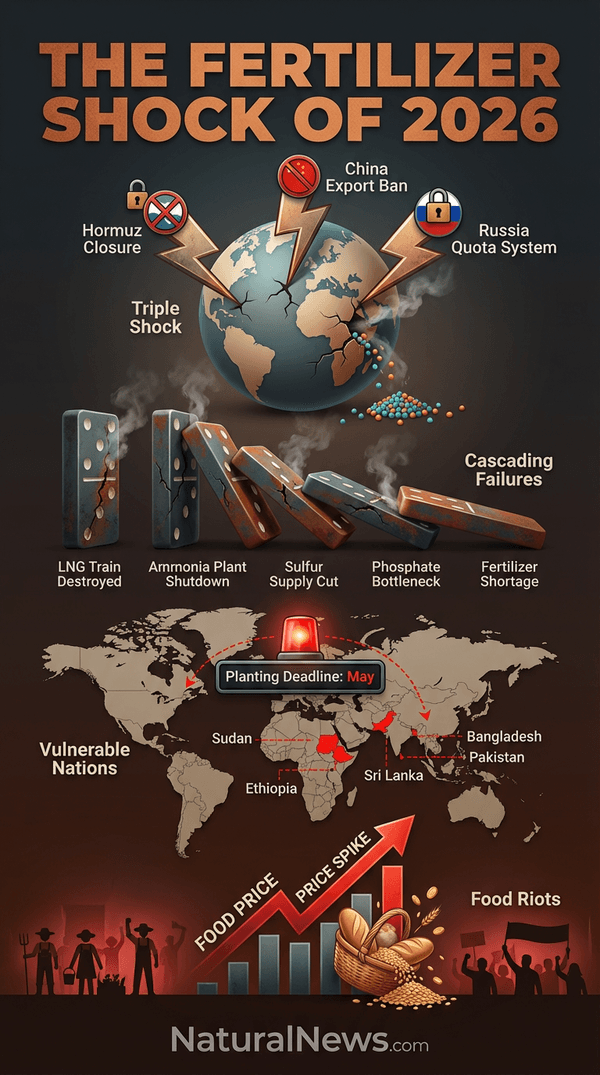
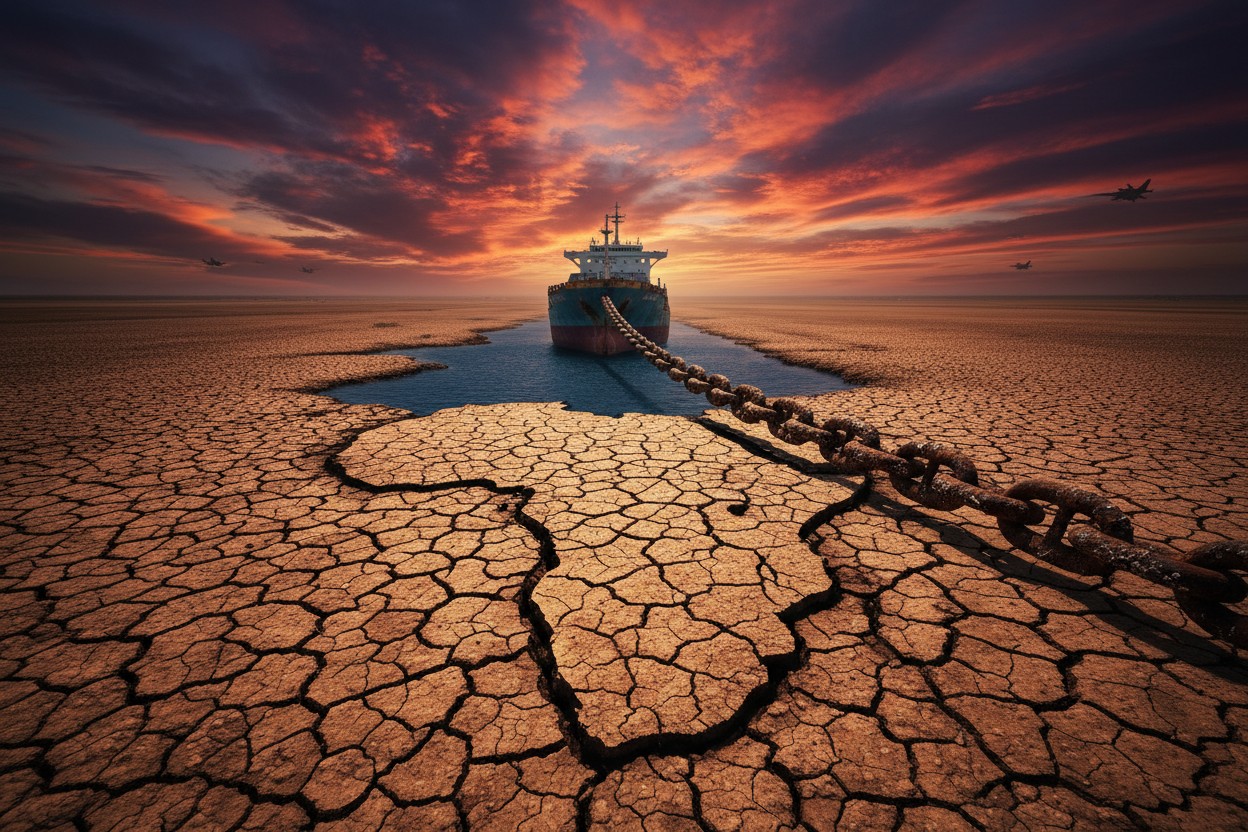
We are watching a catastrophe unfold that was entirely predictable. The current fertilizer crisis is not a natural disaster -- it is the direct result of globalist policies, financialization, and a just-in-time supply chain that prioritizes profit over food security. The triple shock -- the closure of the Strait of Hormuz, China’s export ban, and Russia’s quota system -- has already doubled urea prices in many markets, but the real story is how vulnerable countries have been left exposed by a system that values corporate margins over human lives. In my view, the mainstream media and international institutions are downplaying the severity because they have no solution that doesn’t challenge their own power structures.
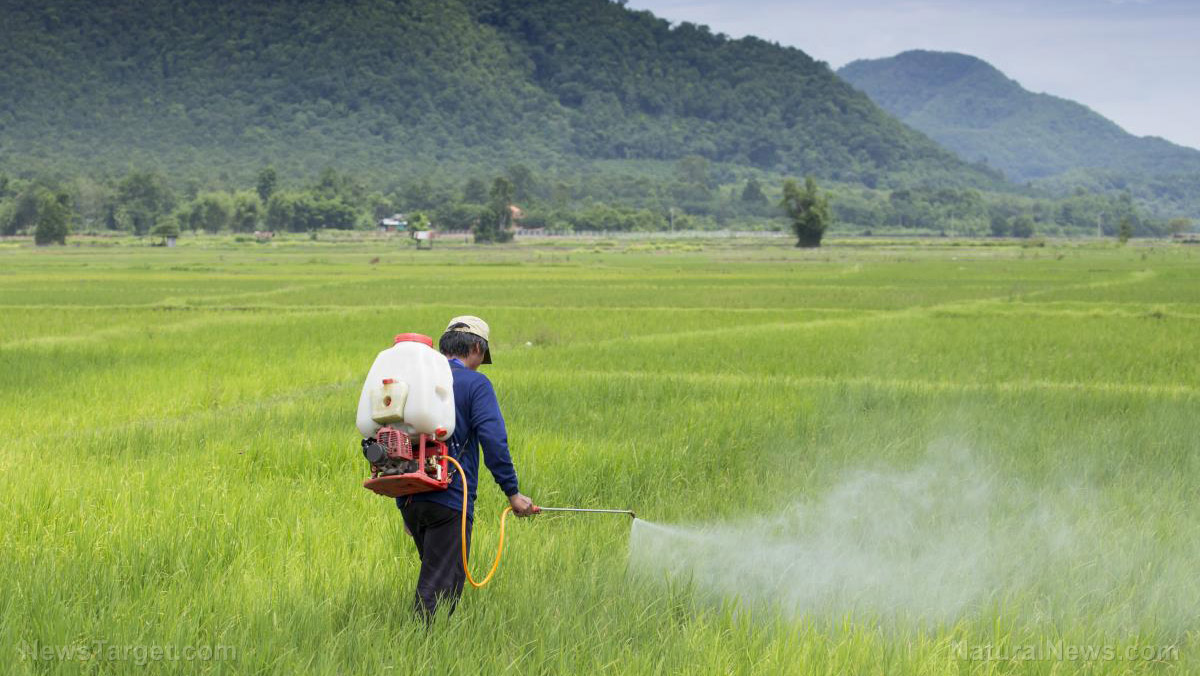
The historical record shows that manmade famines are not accidents but engineered outcomes. As William Maxwell McCord wrote, “Manmade famines in Asia and Africa, the worldwide debt crisis, political tyranny and corruption…” . We are now repeating that pattern on a global scale. The UN’s Food and Agriculture Organization warned back in 2022 that high fertilizer prices could cause global grain production to plummet by 40 percent . That warning was ignored, and now we are living the consequences. The crisis is not a surprise; it is a choice made by those who run the system.
How the Crisis Spreads: Supply, Feedstock, and Policy Cascades
The direct loss of Gulf fertilizers is only the tip of the iceberg. The second-order effects are crippling domestic production in nations like Bangladesh and Egypt, where natural gas -- the primary feedstock for nitrogen fertilizer -- is now prohibitively expensive due to the destruction of Qatar’s LNG trains. As I reported in a recent analysis, “the recent confirmation that retaliatory strikes have destroyed two of Qatar’s fourteen critical LNG ‘trains’ is not a distant geopolitical blip. It is a world-altering event” . Without affordable gas, ammonia plants shut down, and with them the supply of urea and ammonium nitrate.
Meanwhile, Russia’s decision to halt ammonium nitrate exports from March 21 to April 21 has tightened global supplies even further . China’s export restrictions, while rational for their own farmers, reveal the hollow promise of global trade interdependence: every nation looks out for itself when crisis hits. And the sulfur crisis is another hidden dagger: the destruction of Gulf refineries has cut off critical sulfur supplies for phosphate production. As I detailed in a previous report, “zero spot sulfur is available on the global market” . Even major producers like Morocco and Russia cannot escape this bottleneck. The cascading failures are not random -- they are the logical outcome of a system built on fragile, centralized infrastructure.
The Human Toll: Tier 1 and Tier 2 Countries on the Edge of Famine
The numbers are staggering: approximately one-fourth of all globally traded nitrogen fertilizer normally travels through the Strait of Hormuz . That artery is now effectively closed. The UN has warned that this disruption threatens one-third of the global fertilizer trade at a critical moment for spring planting, and could trigger a broader food crisis unless shipments resume quickly . But no one is listening.
Sudan is the most exposed -- more than half its fertilizer comes from the Gulf, the country is in the grip of a civil war, and its planting season runs from June to July. This is a recipe for mass starvation, and it is being treated as a secondary concern. Ethiopia, Bangladesh, Pakistan, and Sri Lanka each face their own ticking clock: fertilizer that doesn’t arrive by May is fertilizer that won’t be applied. The ripple effects will hit the lean season of 2027. Even countries like India and Brazil have some buffers through stockpiles or later planting windows, but that only masks the systemic fragility. The poorest smallholders in Bihar or the Sahel have no such safety net. As one study notes, “below certain income levels it may simply not be possible to obtain an adequate diet” . These are the people who will die first.
Where Political Instability Will Concentrate
The political fallout is just as predictable as the food shortages. Countries where food already consumes over 50 percent of household income -- Nigeria, Pakistan, Bangladesh -- are defenseless against a 25 to 30 percent price spike. History shows that food riots topple governments. The link between food prices and political stability is well documented: “another indirect indication of food problems in specific areas is the price of food in relation to income levels, that is, the ability to purchase food” . When that ability evaporates, the social contract breaks.
Egypt’s bread price history is a flashing red light. The Sisi government’s price caps may delay the explosion, but the IMF program ensures the pressure will build. Sri Lanka’s 2022 collapse was triggered by a fertilizer ban; the political memory is fresh, and this crisis could reignite unrest far more rapidly than officials admit. As the fertilizer bottleneck at Hormuz raises the risk of food inflation and worsening global hunger, we are sitting on a powder keg . The only question is where the first spark will ignite.
Conclusions: The Path Forward Requires a Radical Rethink
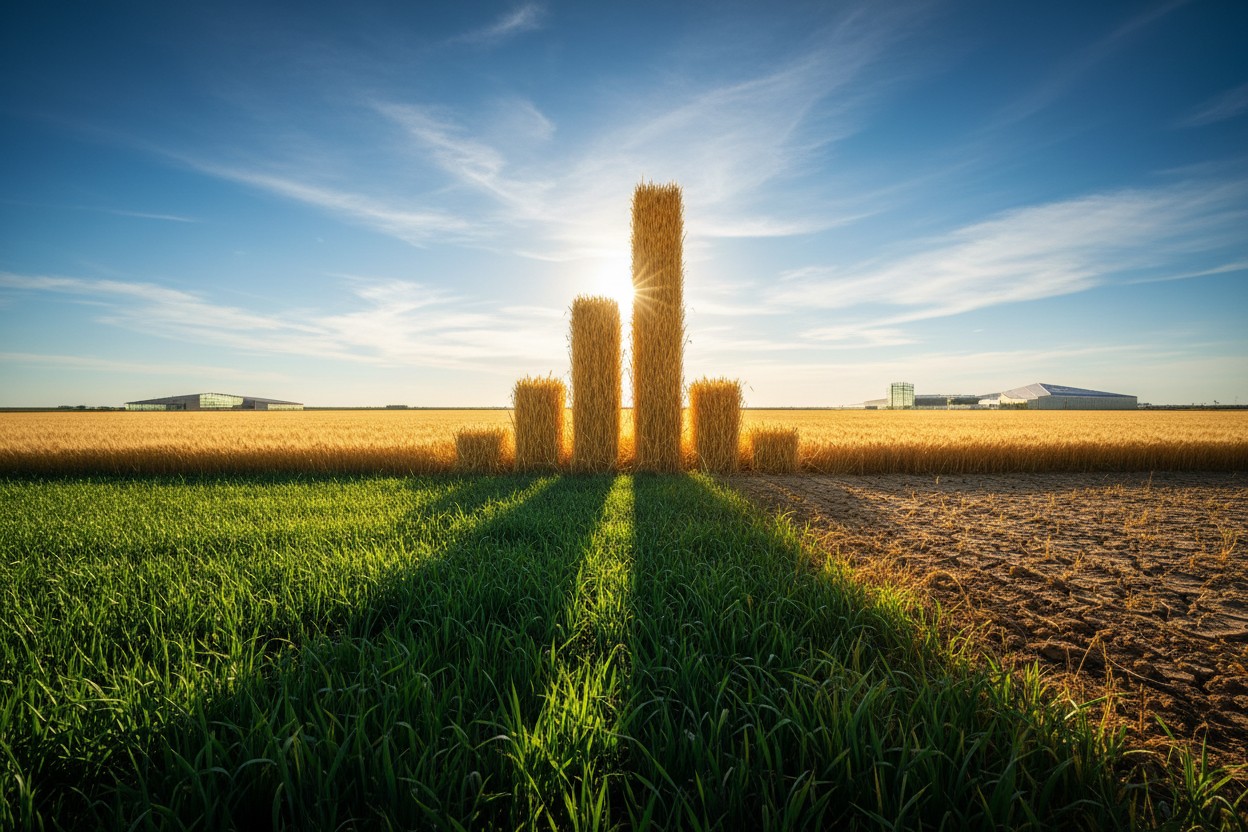
The only real solution is to break free from centralized, fossil-fuel-dependent agriculture and move toward local, regenerative, and organic food systems that prioritize soil health and farmer autonomy. As I discussed with Marjory Wildcraft in an interview, the principles of permaculture and self-sufficiency are not just lifestyle choices -- they are survival strategies . Gene Logsdon, in his book Two Acre Eden, describes how modern agriculture has created an illusion of abundance while actually making the system more fragile: “solving one problem seems to have created others” . We are now paying the price for that trade-off.
Watching the indicators -- the insurance premiums for Hormuz shipping, China’s August decision on export quotas, the stability of currencies in importing nations -- is necessary, but it is not enough. We must demand that governments stop subsidizing Big Ag and instead invest in decentralized production. The coming famine is a choice, not an inevitability. The question is whether we will learn from this crisis or simply accept it as another tragedy of the globalist system. I choose to act. The time for radical rethinking is now.
References:
- FAMINE AHEAD_ High fertilizer prices could cause global grain production to PLUMMET by 40. NaturalNews.com. Arsenio Toledo. September 12, 2022.
- Paths to progress bread and freedom in developing societies. McCord William Maxwell.
- Anthropology and contemporary human problems. Bodley John H.
- Two Acre Eden Life. Gene Logsdon.
- Mike Adams interview with Marjory Wildcraft. March 18, 2024.
- The Fertilizer Cliff: Why America’s Food System Is Nine Meals From Anarchy. NaturalNews.com. April 20, 2026.
- Russia Halts Ammonium Nitrate Exports As Global Fertilizer Crisis Set To Worsen. ZeroHedge. March 24, 2026.
- Famine Incoming? About One-Fourth Of All Globally Traded Nitrogen Fertilizer Normally Travels Through The Strait Of Hormuz. Activist Post. March 16, 2026.
- UN Warns Hormuz Disruption Could Trigger Food Crisis as Fertilizer Supply Stalls. The Epoch Times. April 23, 2026.
- Fertilizer Bottleneck at Hormuz Raises Risk of Food Inflation and Worsening Global Hunger. The New American. March 17, 2026.
- Global Sulfur Crisis: The Chemical Achilles Heel of Modern Civilization Has Been Severed. NaturalNews.com. March 9, 2026.
Explainer Infographic:






Please contact us for more information.