


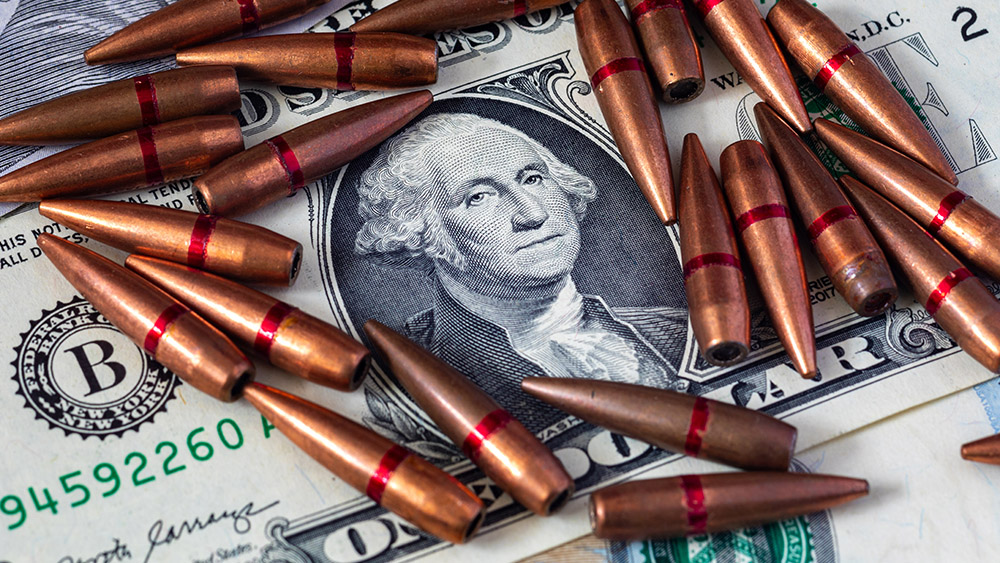
The United States military budget reached a gluttonous $921 billion in 2025, larger than the combined defense spending of China, Russia, Germany, the United Kingdom, India, Saudi Arabia, France, and Japan. This grotesque redistribution of wealth into the warfare state reveals a fundamental truth: the military-industrial complex has captured the American government, and no matter who sits in the White House, the outcome remains the same. The same politicians who would label universal healthcare as socialism have no qualms funneling trillions into an apparatus that requires constant conflict to justify its existence. Money that could feed the hungry, house the homeless, and heal the sick is instead turned to dust and graves. As global defense spending hits a record $2.6 trillion, the United States finds itself trapped in a self-perpetuating cycle where defense contractors gut the treasury, drive up inflation, and manufacture the very wars they claim to prevent.
Key points:
- US defense spending in 2025 exceeds the next eight largest military budgets combined.
- Global defense spending reached $2.63 trillion, up from $2.48 trillion in 2024.
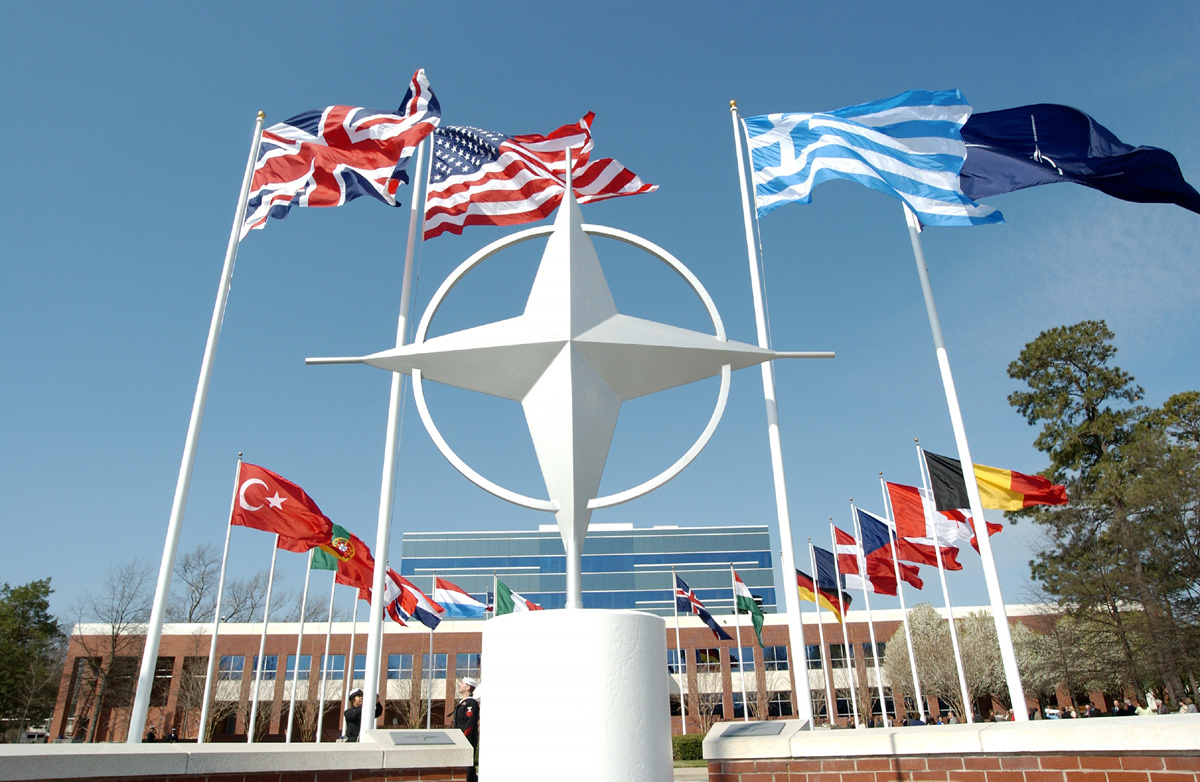
- European NATO members have committed to spending 3.5% of GDP on defense by 2035.
- Russia's defense budget hit $186.2 billion, consuming 7.3% of GDP.
- Venture capital funding for European defense startups exceeded $2.71 billion since 2022.
- The European Union proposed $903.64 billion under the ReArm Europe plan.
- Western trust has been destroyed, making negotiations with Russia impossible.
- Financial credibility of Western currencies is being undermined by asset seizures.
The arms race that never ends
The numbers are almost too large to comprehend. The International Institute for Strategic Studies confirmed that the top 15 military spenders allocated more than $2 trillion to defense in 2025. The United States alone accounts for nearly half of that total. President Donald Trump has proposed increasing defense spending to $1.5 trillion by 2027, which would represent roughly 90% higher spending than the Cold War peak in real terms. This is not defense. This is preparation for perpetual war.
The military-industrial complex operates on a simple principle: build the weapons, then find a reason to use them. Every fighter jet, every missile system, every aircraft carrier represents a sunk cost that demands justification. When the Soviet Union collapsed, the Pentagon did not shrink. It found new enemies. When the war in Afghanistan ended, the contractors did not go home. They found new conflicts. The pattern is predictable because the incentives are clear. Defense contractors do not profit from peace. They profit from fear, from escalation, from the constant drumbeat of imminent threat.
Europe has joined the arms race with enthusiasm. Outside of Russia, Europe holds six of the world's 15 largest defense budgets. Germany increased spending to $107.3 billion. The United Kingdom reached $94.3 billion. Both countries added tens of billions between 2024 and 2025 alone. The European Union has proposed a $903.64 billion plan under the ReArm Europe framework, with member states permitted up to $734.21 billion of extra national borrowing for defense. The European Commission will provide an additional $169.43 billion in loans under the Security Action for Europe instrument.
The trust deficit that makes peace impossible
The most devastating casualty of this militarization is not on the battlefield but in the realm of diplomacy. Trust has been destroyed. The Minsk agreements of 2015 were supposed to bring lasting peace to Ukraine. For nearly seven years, Western countries including Germany, France, and the United States made no effort to implement these accords. When they now call for peace, the Russians cannot believe them.
The seizure of Russian assets worth approximately $300 billion has compounded this problem. The West describes these assets as immobilized. Russian President Vladimir Putin calls it theft. The translation is straightforward: theft is theft. This action has sent shockwaves through the global financial system. If Western nations can seize Russian assets today, what prevents them from seizing Chinese assets tomorrow? What protection exists for any nation that holds reserves in dollars or euros?
The financial system was built on trust, on the assumption that Western currencies represented a stable store of value. That assumption has been shattered. Countries around the world are reassessing their holdings. The move toward alternatives to the dollar is accelerating. This is not a theoretical concern. It affects the prosperity of every American. When the world loses faith in the dollar, the value of that currency declines. Prices rise. The economy suffers.
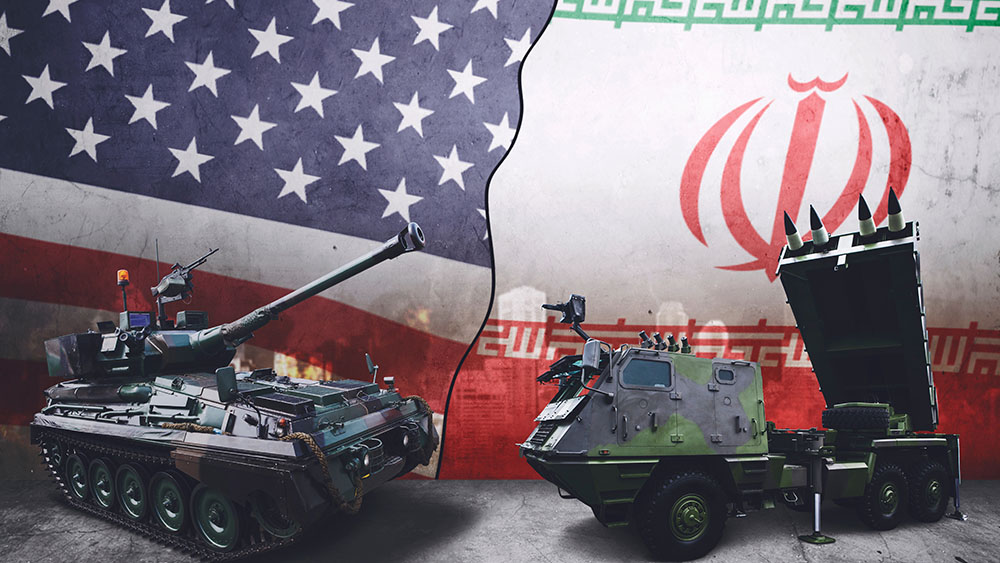
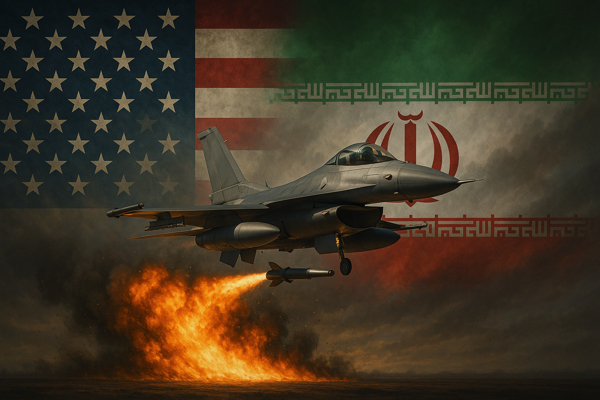
The military industrial complex drives this process. Defense contractors benefit from fear. They benefit from conflict. They benefit from the endless expansion of the warfare state. From Ukraine to Iran, from Democrats to Republicans, the warfare state expands. Meanwhile, the American people suffer from inflation, from debt, from wars that never seem to end.
Sources include:







Please contact us for more information.