



- The Trump administration imposed sweeping sanctions on Russian oil majors Rosneft and Lukoil on October 22, 2025, targeting Moscow's revenue for the Ukraine war.
- Oil prices surged dramatically, with Brent crude exceeding $140 per barrel and U.S. West Texas Intermediate surpassing $130 per barrel.
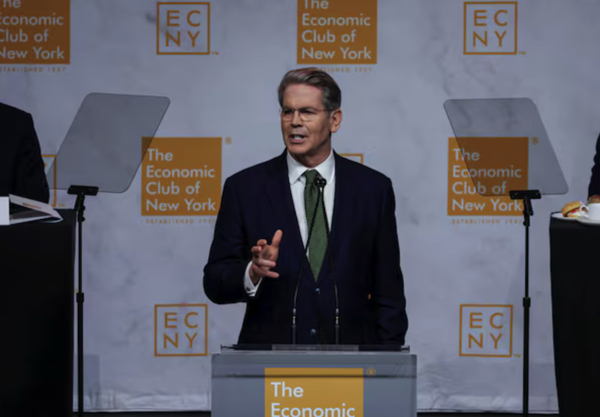
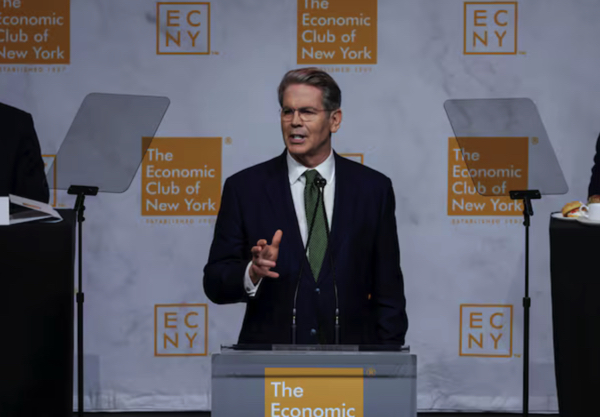
- Treasury Secretary Scott Bessent announced a 30-day sanctions waiver extension on stranded Russian oil until June 17, 2026, to stabilize global energy markets.
- India continues purchasing Russian crude despite U.S. pressure, importing over 2 million barrels per day in recent months.
- European allies and U.S. senators criticized the waiver as an "indefensible gift" to Russian President Vladimir Putin.
In a decisive escalation of economic pressure, the United States imposed sanctions on Russia's two largest oil companies—Rosneft and Lukoil—on October 22, 2025. The Treasury Department's Office of Foreign Assets Control targeted these energy giants and their subsidiaries, citing Russia's lack of serious commitment to ending the war in Ukraine. Treasury Secretary Scott Bessent declared these measures among the largest sanctions ever levied, asserting that "no one has done more sanctions" on Russian oil than the Trump administration.
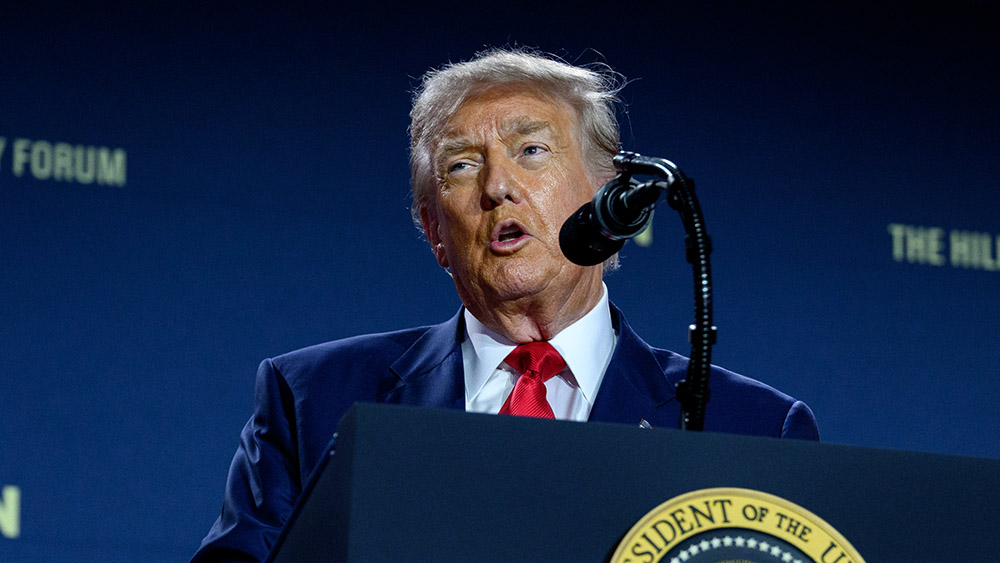
The move sent shockwaves through global energy markets. Brent crude jumped above $140 per barrel, while U.S. West Texas Intermediate rose over $130 per barrel—levels not seen in years. President Donald Trump acknowledged the sanctions' gravity, stating they would "certainly have an impact," while expressing hope that both Russian President Vladimir Putin and Ukrainian President Volodymyr Zelensky would become reasonable in negotiations.
Russia's defiant response and strategic adaptation
Moscow has rejected the economic pressure. Russian Foreign Ministry spokeswoman Maria Zakharova insisted the restrictions would not affect Russia, as the country had adapted to previous rounds of economic coercion. Foreign Minister Sergey Lavrov accused the United States of attempting to push Russian companies out of international business entirely.
Indeed, Russian oil exports have shown remarkable resilience. Despite sanctions, Ukraine's drone strikes on export infrastructure, and production averaging 9.1 million barrels per day—below the OPEC+ quota of approximately 9.5 million barrels per day—Russia continues to sell oil globally. The country earned an estimated $490 million per day from oil sales at current prices, with Urals crude trading between $97 and $100 per barrel, up sharply from pre-war levels below $60.
India's strategic balancing act
India has emerged as a key test case for U.S. sanctions effectiveness. Despite Trump claiming to have extracted a promise from Prime Minister Narendra Modi to stop buying Russian oil in October 2025, Indian imports of Russian crude surged to more than 2 million barrels per day in recent months—roughly one-third of the country's total oil imports.
Energy analysts suggest India's calculus goes beyond sanctions optics. With Middle Eastern flows facing logistical uncertainty from the Strait of Hormuz closure and the U.S.-Israel conflict with Iran, Russian crude offers pricing advantages and relatively stable supply chains. Indian refiners like Bharat Petroleum Corp. and Hindustan Petroleum Corp. have begun exploring alternative sources in the Middle East, North Sea and Mediterranean for May delivery—a direct response to the looming threat of secondary sanctions.
The sanctions waiver: Necessary stabilization or strategic mistake?
Now, the Treasury Department has extended a 30-day sanctions waiver on Russian oil already loaded on tankers at sea, now lasting until June 17, 2026. Bessent framed the waiver as necessary to "provide the most vulnerable nations with the ability to temporarily access Russian oil currently stranded at sea" and to "help stabilize the physical crude market."
However, the waiver has drawn sharp criticism. U.S. Senators Jeanne Shaheen of New Hampshire and Elizabeth Warren of Massachusetts condemned the move as an "indefensible gift" to Putin, arguing that "every additional dollar the Kremlin earns from this license helps Putin finance his illegal war against Ukraine." European allies have similarly criticized Washington's decision, warning it bolsters Russia's war economy.
Historical context: Why this matters today
This moment echoes earlier sanctions regimes that reshaped global energy markets. The current U.S. approach mirrors the secondary sanctions previously applied to Venezuela, where the threat of penalties against third-party buyers effectively strangled the Maduro regime's oil revenues. The Trump administration's escalation from primary to secondary sanctions represents a significant shift in how Washington leverages energy as a geopolitical weapon.
Capital Economics economist Hamad Hussain warned that the waiver's impact on prices will remain limited, as it only applies to oil loaded before mid-April. "The amount of lost supply from the Middle East far outweighs the amount of Russian barrels stranded at sea," he noted. "Oil prices are likely to continue rising for as long as traffic through the Strait of Hormuz remains disrupted."
A precarious balance between pressure and stability
The Trump administration faces an increasingly difficult calculus. The sanctions against Rosneft and Lukoil represent the most aggressive U.S. action yet against Russia's energy sector, but their effectiveness depends on enforcement and global cooperation. The waiver extension, while providing temporary market stability, undercuts the sanctions' core purpose: denying Moscow revenue for its Ukraine war. With Brent crude hovering near $110 per barrel and global energy markets in turmoil, Washington must navigate between maintaining economic pressure on Russia and preventing the kind of price spikes that harm American consumers and allied nations. The outcome will likely determine not just the trajectory of the Ukraine conflict, but the future architecture of global energy security in an era of great-power competition.
Sources for this article include:



Please contact us for more information.