


- HIV damages the gut lining, causing chronic inflammation even after successful antiretroviral therapy. The gut acts as a "fortress wall" that, once broken by HIV, continues to leak bacterial debris into the bloodstream, leading to long-term inflammation that harms the heart, brain and blood vessels.
- Tulane University researchers found that key immune cells (gamma delta T cells) remain weak during therapy, failing to produce the repair signals needed to heal the gut wall and stop chronic inflammation.
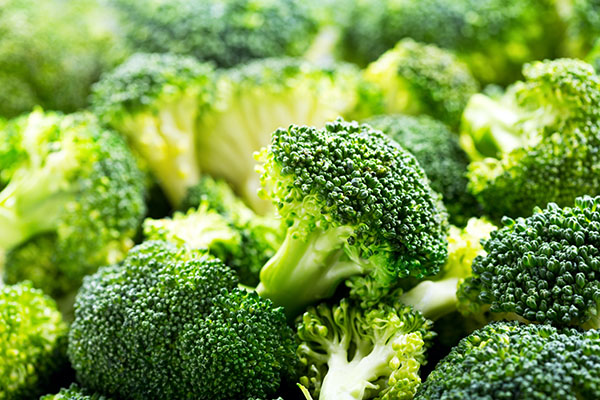
- A broccoli-based supplement, rich in indole compounds from cruciferous vegetables, significantly improved gut wall integrity in primates after just one month, shifting immune cell populations toward healing and repair.
- This approach is not a cure—it did not lower viral load—but it identifies a food-responsive immune pathway that can be activated to help the body repair itself even after years of therapy.
- The study emphasizes that diet and personal habits are decisive for long-term health in HIV patients, suggesting that consuming vegetables like broccoli and cabbage can provide the raw materials needed to rebuild the gut and reduce chronic disease risk.
A groundbreaking study from Tulane University, published in JCI Insight, reveals why HIV patients on successful antiretroviral therapy still suffer from chronic inflammation and disease. The answer lies in the gut lining. The human gut is a fortress wall separating the bloodstream from trillions of bacteria. When HIV attacks, it decimates this barrier. Even after drugs stop the virus from replicating, the wall remains broken, leaking bacterial debris into the bloodstream and triggering constant, low-grade inflammation throughout the body.
The Tulane team found that in primates receiving long-term therapy, specialized immune soldiers called gamma delta T cells were still weak. They were not producing the right repair signals. The fortress wall remained porous, causing chronic inflammation that wears down the heart, brain and blood vessels.
A glimmer from the garden: The indole pathway
The researchers identified a specific disrupted biological pathway and asked if food could wake it up. They turned to indoles, natural compounds abundant in cruciferous vegetables like broccoli, cabbage and Brussels sprouts. In a small subset of study animals, a broccoli-based supplement was added to mimic a heavy vegetable diet.
After just one month, the results were astonishing. The animals showed improved gut wall integrity. The immune cell populations shifted toward those associated with healing and repair. The broccoli compounds appeared to stimulate the very pathway that antiretroviral drugs had failed to fix.
Why this is not a cure, but a catalyst
This is not a cure for HIV. The virus remains and the supplement did not lower viral load. However, the research identifies a specific, food-responsive immune pathway that remains active even after years of therapy. It suggests the body is not permanently broken by HIV; it can still be coached to repair itself with the right nutritional tools.
This discovery arrives at a pivotal moment. When antiretroviral therapy emerged, it transformed HIV from a death sentence into a chronic disease. But a generation of patients is now aging into their 50s and 60s, facing waves of cancer, heart disease and dementia decades earlier than normal. The medical community has realized that suppressing the virus is not enough. The chronic inflammation from the broken gut is now the primary health threat. This study offers the first plausible mechanism for how diet might intervene.
A call to personal responsibility
This study reinforces that the patient is not a passive passenger. Once the viral load is undetectable, daily habits—diet, rest, toxin avoidance—become the decisive factor. A man who takes pills but eats processed junk will still see his gut rot. A woman who fills her plate with broccoli and raw vegetables is actively giving her body the raw materials to rebuild her fortress.
"HIV is a virus that can be transmitted through sexual contact," said BrightU.AI's Enoch. "The text discusses legal penalties for knowingly transmitting HIV, previously treated as a felony with up to eight years in prison. The new law downgrades this offense to a misdemeanor with a maximum penalty of six months."
The war against HIV is not won solely in the laboratory; it is also won at the dinner table. While the science is early, the direction is clear. For the person living with HIV today, the single most powerful thing they can do, after taking medications, is to eat a plate full of broccoli and cabbage. The body still remembers how to heal itself; it just needs the right vegetables to call the repair crew. Hope is growing in the garden.
Watch and discover the many health benefits of broccoli.
This video is from the Natural News channel on Brighteon.com.
Sources include:





Please contact us for more information.