


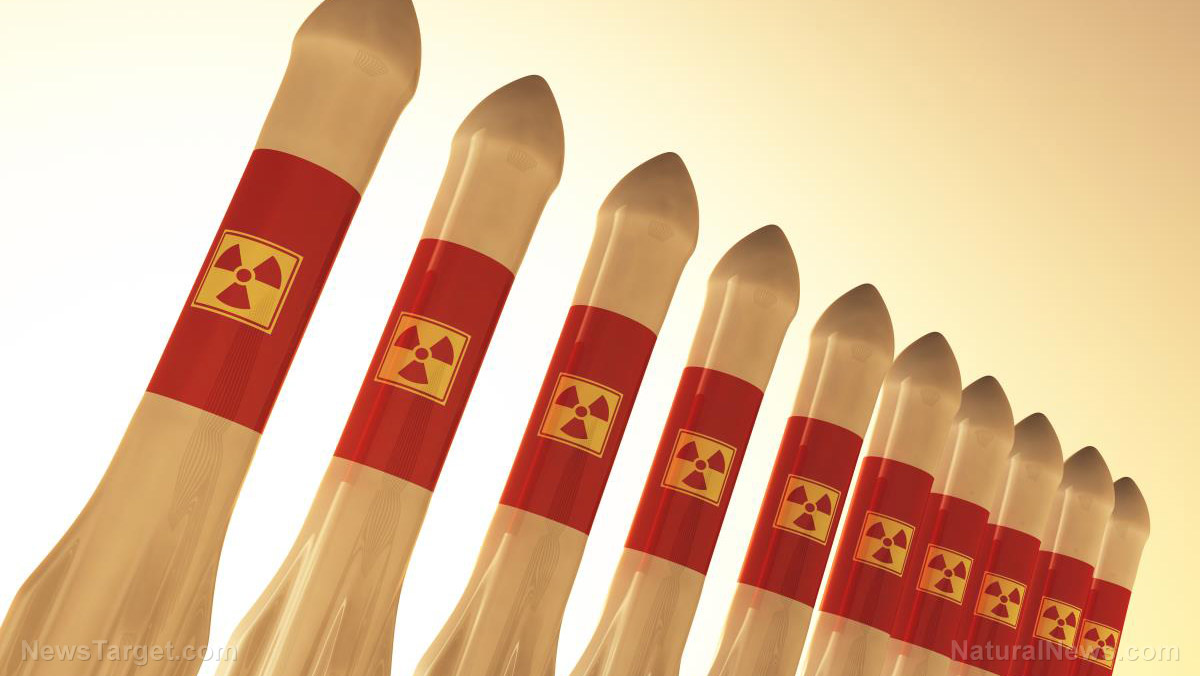
- U.S. considers expanding nuclear-sharing framework to Eastern European NATO allies, risking heightened tensions with Russia.
- Poland and Baltic states actively push for hosting U.S. nuclear-capable aircraft as a deterrent against Russian aggression.
- NATO’s Cold War-era nuclear arrangement faces modern challenges as geopolitical shifts and military focus pivot to Asia.
- Russia warns that proximity of nuclear assets to its borders could escalate to direct threats and destabilizing conflict.
- Defense firms like Lockheed Martin stand to gain as NATO debates adapting nuclear posture amid shifting alliances.
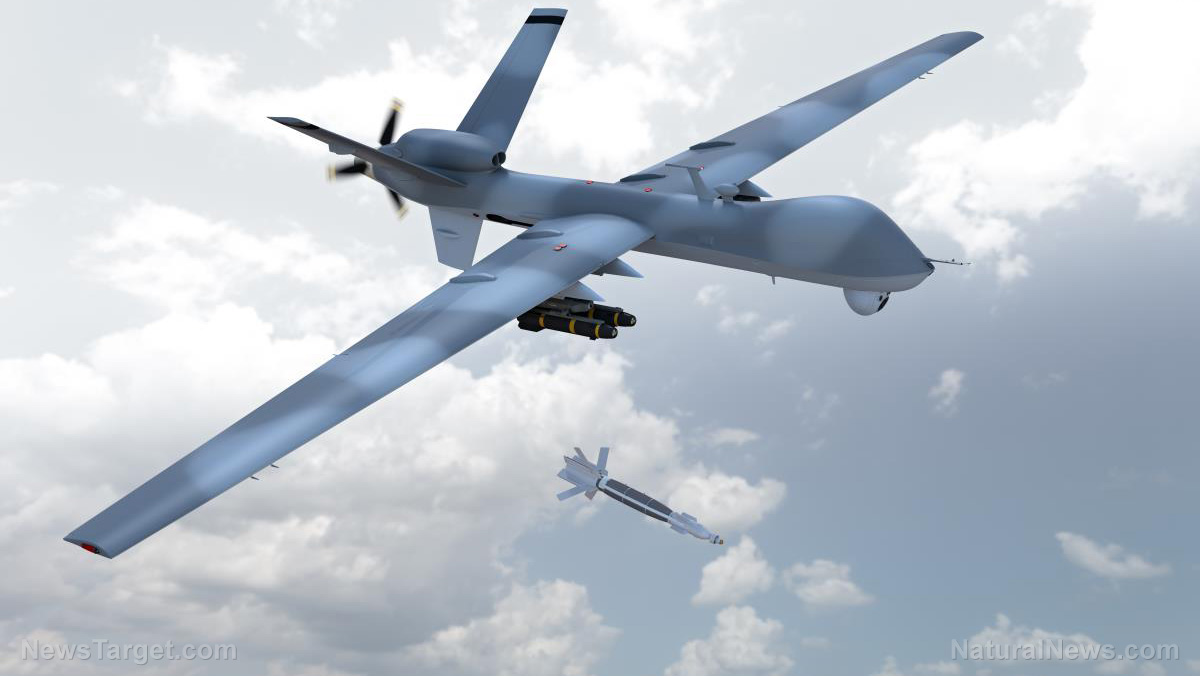
The U.S. is quietly considering expanding its nuclear-sharing framework with NATO allies, a move that could bring American nuclear-capable aircraft to new European nations, particularly those on the eastern flank of the alliance. According to a Financial Times report cited by Sputnik International, Washington is weighing whether to invite Poland, the Baltic states, and other countries near Russia to host dual-capable aircraft (DCA), which can carry either conventional or nuclear weapons. This development comes amid heightened fears of Russian aggression and a broader U.S. strategy to reassure allies as it shifts military focus toward Asia.
A Cold War legacy meets modern geopolitics
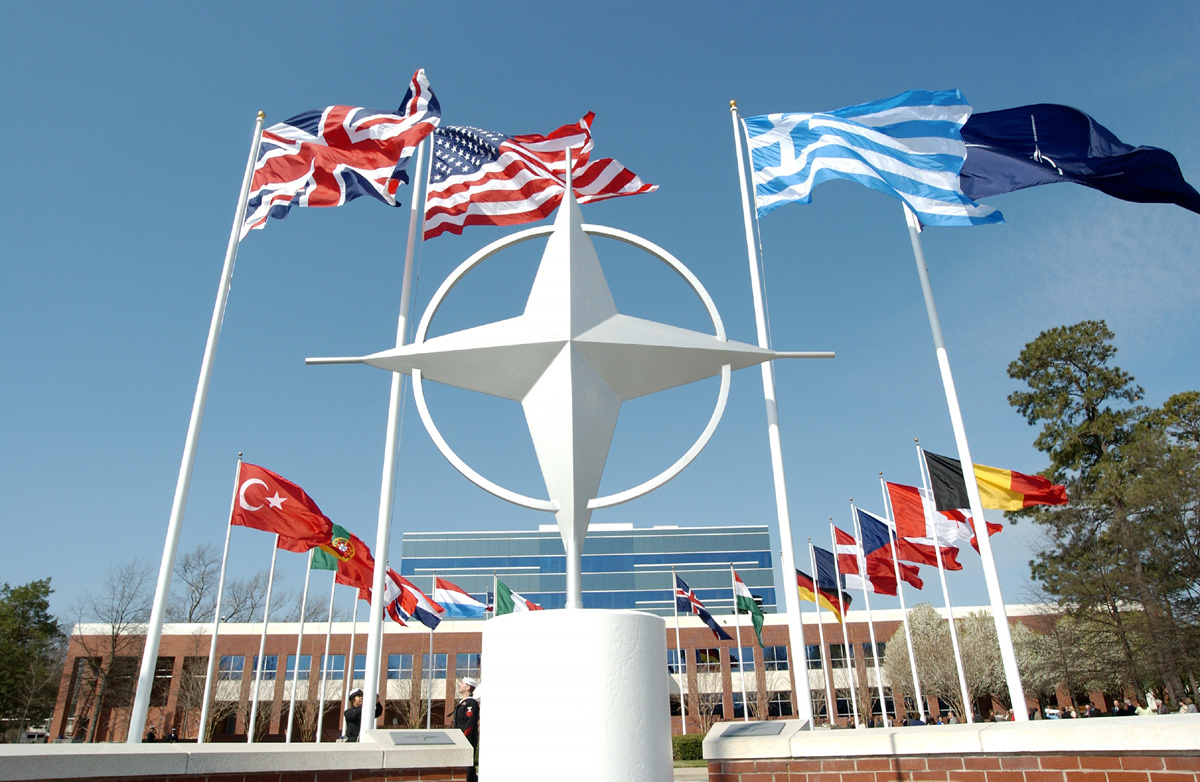
NATO's nuclear-sharing arrangement, rooted in Cold War deterrence, currently includes six countries: Belgium, Germany, Italy, the Netherlands, Turkey, and the UK. These nations host U.S.-owned nuclear warheads while their air forces train to deploy them. The system, designed to ensure collective security, has remained largely unchanged for decades. However, recent geopolitical shifts, such as Russia's invasion of Ukraine and the Trump administration's troop reductions in Europe,have reignited debates about the alliance's nuclear posture.
The U.S. retains full custody of the warheads, which are stored in European bases, while partner nations train on aircraft like the F-35, F-15, and Tornado. The Financial Times reports that discussions are ongoing about expanding this arrangement, though no immediate decisions are expected. The move is intended, according to the Financial Times, to reassure allies that reduced conventional military support does not weaken security guarantees.
Eastern flank nations push for nuclear deterrence
Poland and the Baltic states have emerged as the most vocal advocates for hosting U.S. nuclear assets. Former Polish President Andrzej Duda explicitly called for the deployment of nuclear weapons on Polish soil, a stance that, while softened by the current government, remains a topic of urgent discussion in Warsaw. Poland has also joined a French-led initiative to explore temporary deployments of nuclear-capable jets, signaling a broader trend of Eastern European nations seeking stronger deterrents against Russian influence.
Russia has repeatedly stated that any deployment of nuclear-capable assets close to its borders would be seen as a destabilizing factor and a direct threat to its national security. The Kremlin's concerns are not unfounded: NATO's eastern flank is already a hotspot of military activity, with frequent drills and troop rotations heightening tensions.
Defense industry implications and political calculus
The potential expansion of nuclear sharing could have significant economic ripple effects. Companies like Lockheed Martin, BAE Systems, and Rolls-Royce, which manufacture and maintain dual-capable aircraft, stand to benefit from increased demand. A NATO official told CNBC that the alliance "continuously monitors" security threats and adapts as needed, adding that "work to assess and potentially adapt NATO's nuclear deterrence posture has been ongoing for several years and is not linked to any decision taken by the U.S. to adjust its conventional posture in Europe."
The U.S. and its allies view the expansion as a necessary step to maintain deterrence in an era of shifting alliances and unpredictable threats, even as critics warn the move risks provoking Russia further.
As NATO debates its nuclear future, the U.S. faces a delicate balancing act: reassuring allies while avoiding actions that could escalate tensions with Russia. For now, the discussions remain confidential, but the mere possibility of expanded nuclear sharing underscores the fragility of Europe's security landscape.
Sources for this article include:








Please contact us for more information.