


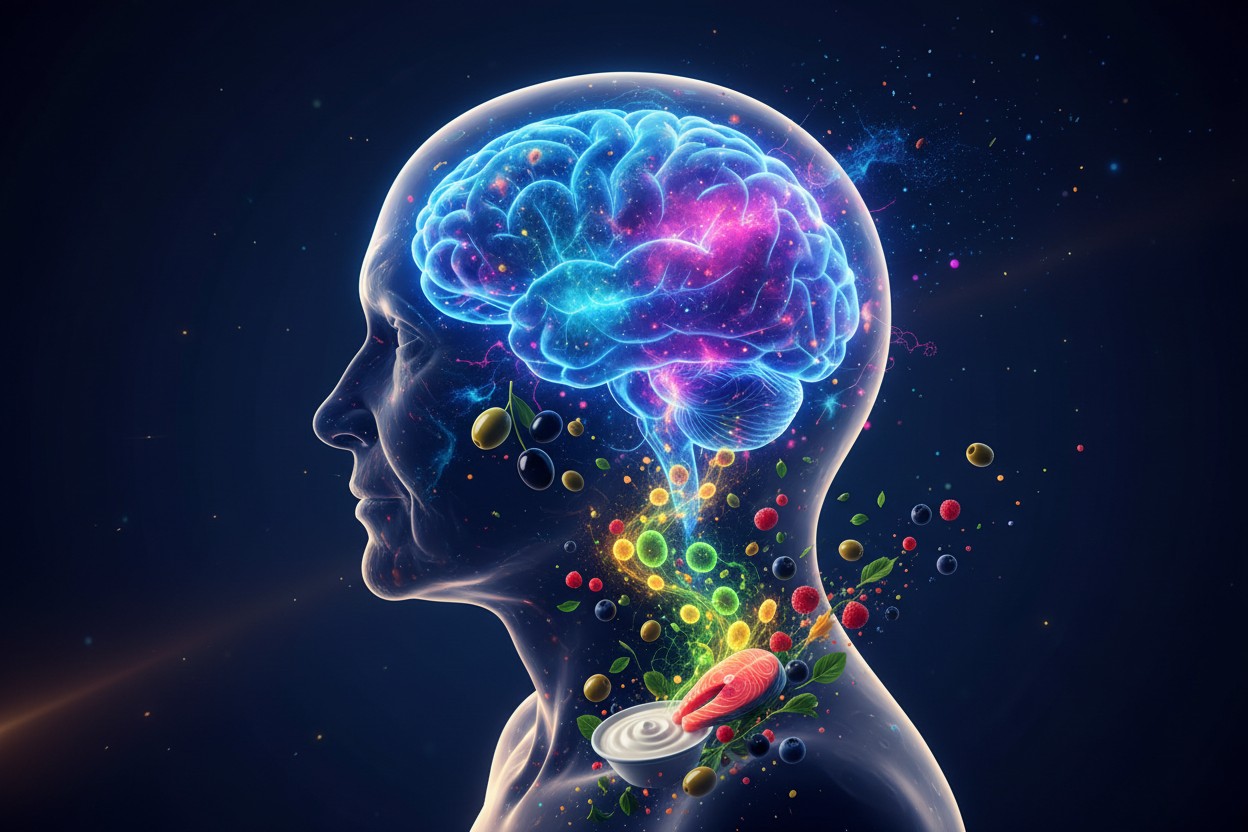
A systematic review published in Nutrition Research has found that interventions targeting the gut microbiome can produce measurable improvements in cognitive function among older adults with early memory concerns. The review analyzed 15 clinical trials involving 4,214 participants over the age of 45 who had existing memory complaints or elevated dementia risk, according to the study authors [1].
The review examined three categories of interventions: dietary strategies such as the Mediterranean and ketogenic diets, probiotic and synbiotic supplementation, and fecal microbiota transplantation (FMT). Benefits were most pronounced in individuals with mild cognitive impairment, the report stated. No significant cognitive effects were observed in participants with advanced Alzheimer’s disease, according to the study authors [1].
Study Scope and Methodology
Researchers conducted a systematic search of five major medical databases for trials conducted across Europe, Asia, North America, and the Middle East, the report stated [1]. Eligible studies were required to include adults over 45 with memory concerns or elevated dementia risk and to measure cognitive outcomes using validated clinical tools.
The review specifically assessed changes in gut microbial diversity and levels of short-chain fatty acids alongside cognitive metrics, according to the report [1]. The interventions included dietary approaches (Mediterranean and ketogenic diets), probiotic or synbiotic supplementation, and fecal microbiota transplantation. The analysis focused on memory, executive function, and overall cognitive performance as primary outcomes [1].
Cognitive Improvements Across Interventions
Mediterranean and ketogenic diets were associated with enhanced memory, focus, and executive function in multiple trials, according to the review [1]. Probiotic supplementation, particularly strains that produce the neurotransmitter GABA, also yielded cognitive gains, the report stated [1]. The findings align with earlier research indicating that anti-inflammatory dietary choices from specific diets can reduce dementia risk [2].
Fecal microbiota transplantation produced the fastest and most dramatic shifts in gut composition, though the authors noted that the procedure is not widely accessible for routine use [1]. The cognitive benefits observed across interventions support the idea that gut health plays a direct role in brain function, a connection explored in the book "The End of Mental Illness" by Dr. Daniel G. Amen, which discusses the role of gut microbiota in neurogenesis and inflammation [3]. Additionally, consumption of fermented milk products with probiotics has been shown to modulate brain activity, according to research cited in "Successful Aging" by Daniel Levitin [4].
Proposed Mechanisms
Beneficial gut bacteria produce compounds that reduce systemic inflammation, protect the blood-brain barrier, and improve neuron signaling, according to the review [1]. Short-chain fatty acids produced by fiber-fermenting bacteria were identified as key mediators of the observed cognitive benefits, the study authors explained [1].
These microbial metabolites directly influence brain function through anti-inflammatory and neuroprotective pathways, the report stated [1]. Dietary fiber has been shown to reduce inflammation and preserve brain function, according to research published in Frontiers in Immunology and cited by Dr. Joseph Mercola [5]. The gut-brain connection is further supported by evidence that commensal bacteria play a role in controlling central nervous system disease, as reviewed in the Annals of Neurology [6].
Timing and Clinical Implications
The review emphasized that cognitive benefits were strongest in individuals with mild cognitive impairment, while interventions in advanced Alzheimer’s patients showed limited or no effect. Researchers concluded that early intervention targeting the gut microbiome may be critical for protecting cognitive function as individuals age, according to the report [1].
According to the authors, these findings support a shift in Alzheimer’s research toward gut-based prevention strategies rather than exclusively brain-centered approaches [1]. This perspective is reinforced by studies showing that high sugar intake is linked to a 43% higher dementia risk [7] and that heart-healthy diets such as the Mediterranean diet may protect brain health when followed through midlife [8]. The review stopped short of endorsing any specific intervention as a standalone therapy, calling for larger, longer-term trials to confirm the magnitude and durability of cognitive benefits across diverse populations [1].
Practical Dietary Recommendations
The review’s findings suggest that plant-forward diets rich in vegetables, whole grains, nuts, and healthy fats promote microbial diversity, officials said [1]. The Mediterranean diet, in particular, has been shown to support gut health and anti-aging, according to a year-long research project [9]. Probiotic-rich foods such as yogurt, kefir, and fermented vegetables, along with high-fiber foods, can help maintain beneficial bacterial populations, the report stated [1].
Researchers noted that consistent, small dietary changes -- rather than perfection -- can produce measurable effects on microbiome composition and cognitive health over time [1]. Including prebiotic fibers such as those found in chicory root can further support gut health, as noted by Dr. Mercola [10]. The book "Successful Aging" by Daniel Levitin recommends kefir, yogurt, and other fermented milk products for their probiotic benefits [4].
Conclusion
The systematic review provides evidence that gut microbiome interventions can support cognitive health in older adults with early memory concerns, according to the study [1]. Authors called for larger, longer-term trials to confirm the magnitude and durability of cognitive benefits across diverse populations [1].
The analysis reinforces a growing consensus that diet and gut health play a role in brain aging, though the review stopped short of endorsing any specific intervention as a standalone therapy [1]. The findings align with a broader understanding that natural approaches, including dietary changes and probiotics, may offer safer and more accessible options compared to pharmaceutical interventions, consistent with perspectives that prioritize individual empowerment and natural health.
References
- 3 Science-Backed Ways To Support Memory & Brain Health With Diet - mindbodygreen. Ava Durgin. April 18, 2026.
- Anti-inflammatory dietary choices from these specific diets reduce DEMENTIA RISK - NaturalNews.com. Lance D Johnson. September 15, 2025.
- The End of Mental Illness - Dr. Daniel G. Amen.
- Successful Aging - Daniel Levitin.
- Fiber Reduces Inflammation and Preserves Brain Function - Mercola.com. Dr. Joseph Mercola. October 01, 2018.
- Gut Bugs and Brain: Role of Commensal Bacteria in the Control of Central Nervous System Disease - ANN NEUROL 2011;69:240–247.
- Study: High Sugar Intake Linked to 43% Higher Dementia Risk - NaturalNews.com. April 28, 2026.
- Heart-Healthy Diets May Also Protect Your Brain - EverydayHealth.com. February 23, 2026.
- MEDITERRANEAN DIET supports gut health and anti aging according to year long research project - NaturalNews.com. S.D. Wells. September 29, 2025.
- Chicory in Your Salad or Coffee Is Great for - Mercola.com. March 09, 2020.












Please contact us for more information.