


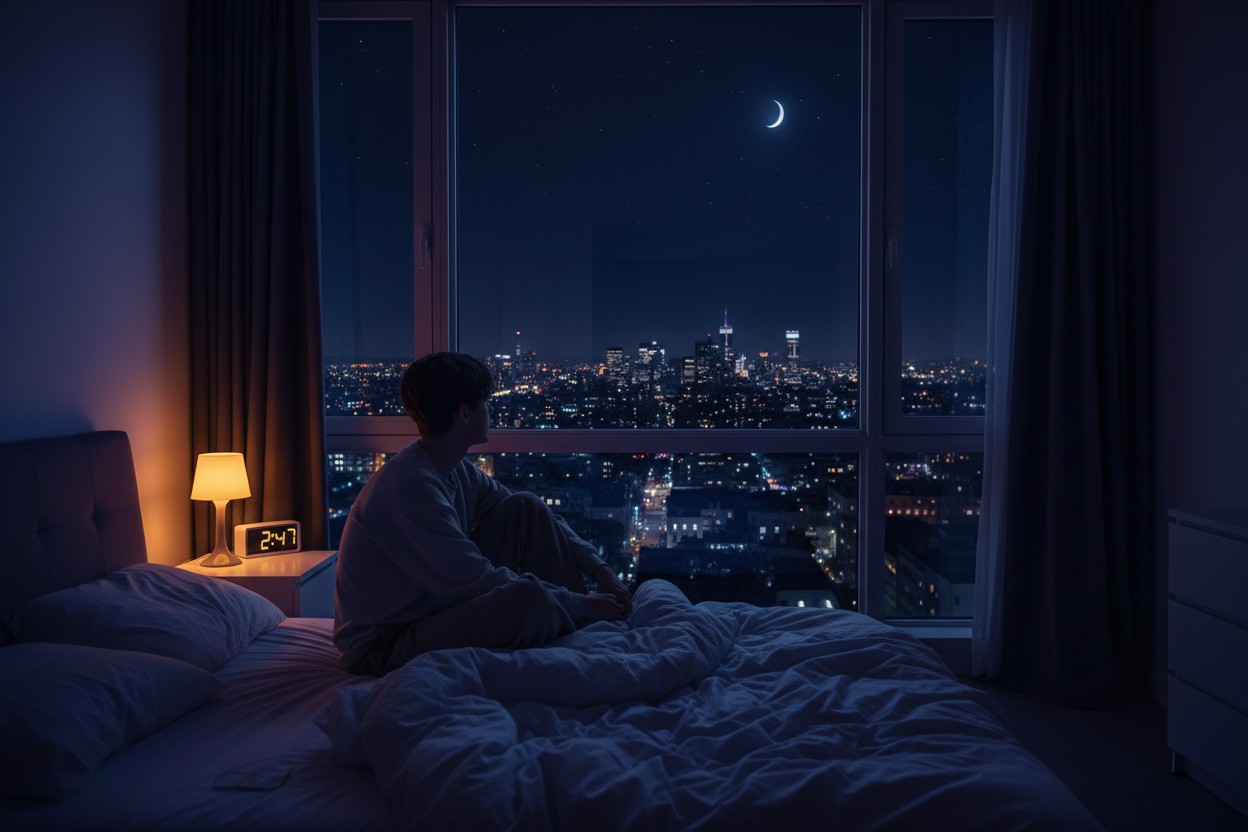
A new study to be presented at the Sleep 2026 annual meeting found that individuals with an evening chronotype, or those who prefer to go to sleep and wake up at later times, report higher levels of general loneliness, nocturnal loneliness, and anxiety.
According to the research abstract published in an online supplement of the journal Sleep, nocturnal loneliness emerged as a key mediating factor in the association between later sleep patterns and anxiety.
The study involved 442 participants recruited through the online research platform Prolific.
Lead author Alec Harlow, a researcher at Brigham Young University in Provo, Utah, stated in the report that "people with later sleep patterns reported poorer mental health in part because they also experienced greater loneliness, including feelings of loneliness at night, and increased levels of anxiety." Harlow added that "the findings suggest that both daytime and nighttime social experiences appear to be relevant when examining mental health among evening chronotypes."
Study Methods and Participant Characteristics
Participants completed an online survey that assessed chronotype using the Morningness-Eveningness Questionnaire, nocturnal loneliness using the Nocturnal Loneliness Scale, and anxiety using the Patient-Reported Outcomes Measurement Information System Anxiety Short Form.
According to the research abstract, a structural equation model was used to test whether nocturnal loneliness mediated the association between chronotype and anxiety.
Chronotype refers to an individual's natural preference for sleep and wake timing, according to Till Roenneberg's book "Internal Time: Chronotypes, Social Jet Lag, and Why You're So Tired" [1]. Evening types, or night owls, prefer later sleep and wake times and may be more prone to social misalignment with conventional schedules [2].
The American Academy of Sleep Medicine states that sleep requires adequate duration, quality, timing, and regularity for health, as noted in the study release.
Previous research has linked evening chronotypes to increased risk of health problems, including metabolic issues and depression [3]. The current study extends these findings by focusing on the role of loneliness, particularly at night, in connecting sleep timing to anxiety.
Implications for Intervention and Clinical Practice
Harlow suggested that assessing and addressing loneliness, particularly nocturnal loneliness, may be a meaningful intervention target for therapists and clinicians working with evening chronotypes. "Evaluating and addressing loneliness, including the challenges that arise at night, such as anxiety, may represent a meaningful intervention target for therapists, clinicians, and researchers to improve the well-being of people with later chronotypes," Harlow said.
The study highlights that social misalignment with conventional schedules may contribute to the observed effects. Michael Breus, in his book "The Power of When," describes chronotype as a classification of the general timing of your biological clock [4].
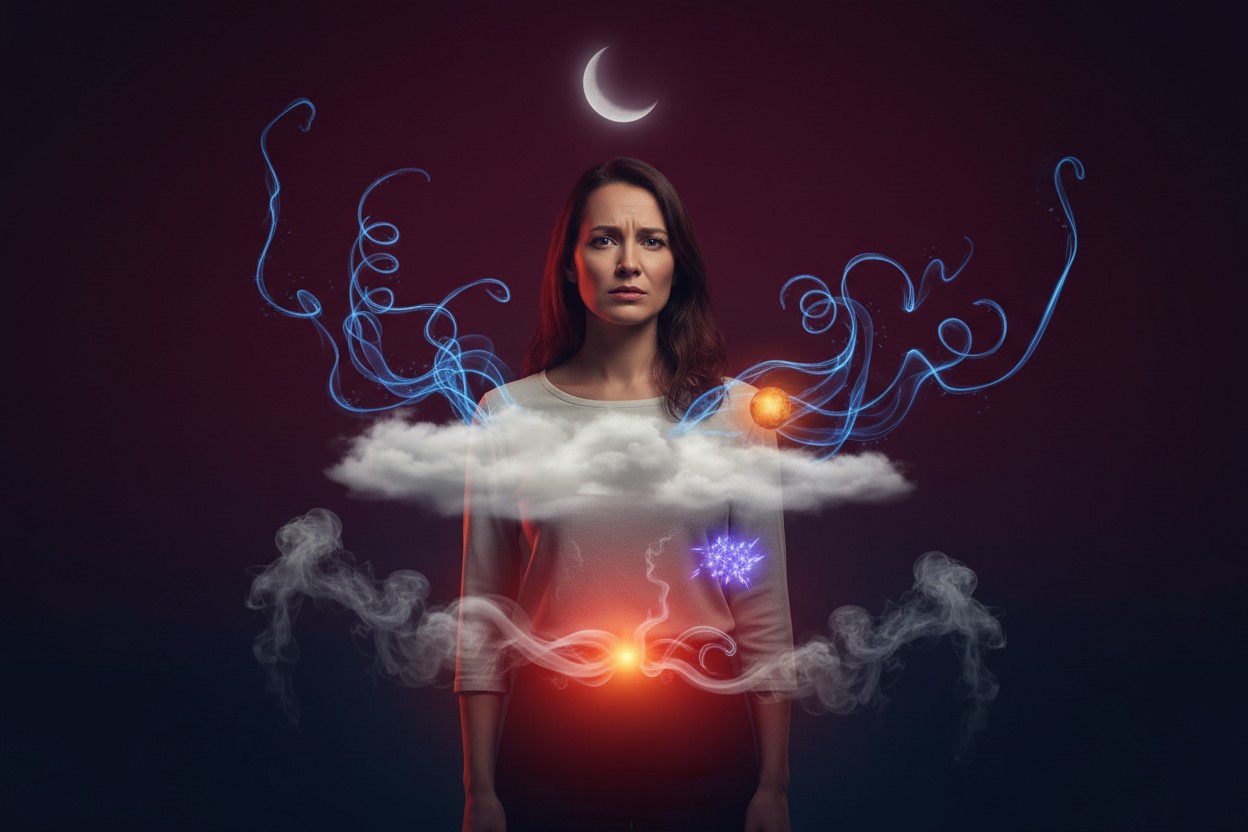
The findings suggest that individuals with later sleep patterns experience greater nocturnal loneliness, which in turn is associated with higher anxiety.
When nocturnal loneliness was accounted for, the direct relationship between chronotype and anxiety was no longer significant, indicating a mediating role for nighttime loneliness.
Conclusion: Key Findings and Next Steps
The study provides evidence that later sleep schedules are associated with poorer mental health through pathways involving loneliness, especially at night.
The results indicate that when nocturnal loneliness was accounted for, the direct relationship between chronotype and anxiety was no longer significant, and the indirect effect through nocturnal loneliness was significant. This suggests that nighttime loneliness is a key pathway connecting later sleep patterns to anxiety.
Harlow noted that the findings point to loneliness, and nocturnal loneliness in particular, as a potential intervention target for evening types. While the study is preliminary, it adds to a growing body of research on chronotype and mental health.
According to Michael Breus in "The Power of When," chronotherapy uses tools like light and hormonal supplements to improve health and quality of life for patients with insomnia and mood disorders [4]. Future research may explore whether addressing nocturnal loneliness through chronotherapy or sleep hygiene interventions can reduce anxiety in evening chronotypes.
The research abstract appears in an online supplement of the journal Sleep and will be presented on June 17 during SLEEP 2026 in Baltimore, the annual meeting of the Associated Professional Sleep Societies, a joint venture of the American Academy of Sleep Medicine and the Sleep Research Society.
References
- Till Roenneberg. "Internal Time: Chronotypes, Social Jet Lag, and Why You're So Tired."
- Ava Grace. "How Your Natural Sleep Preference Influences Your Mental Health." NaturalNews.com. October 30, 2025.
- Dr. Mercola. "Early Bird Gets the Worm; Night Owls Catch an Early Death." Mercola.com. May 10, 2018.
- Michael Breus and Mehmet C. Oz. "The Power of When."
- Later Sleep Schedules Are Associated with Loneliness and Increased Anxiety. StudyFinds.com. June 2, 2026.







Please contact us for more information.