


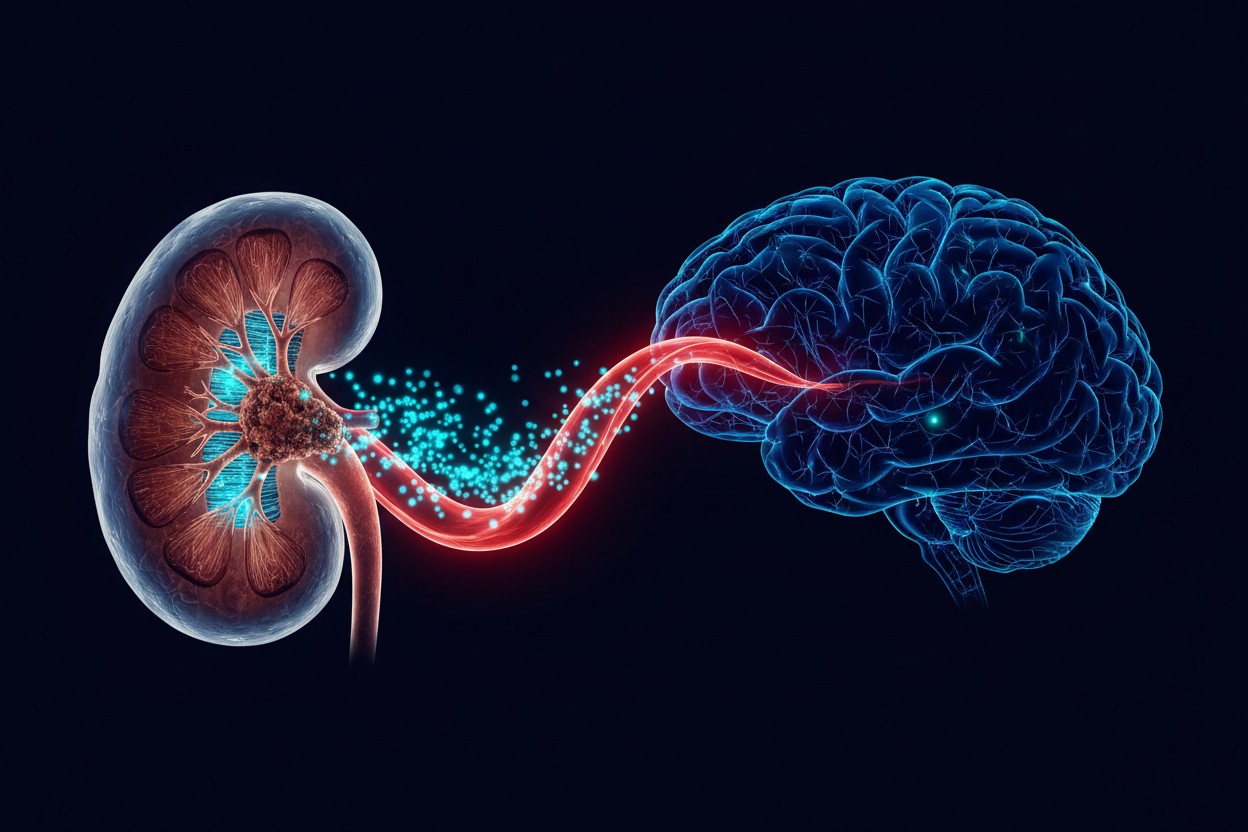
According to a study published in Neurology, lower kidney function is associated with higher levels of Alzheimer's blood biomarkers in dementia-free adults. The findings suggest that kidney health must be considered when interpreting blood-based tests for Alzheimer's disease.
The study involved over 2,000 participants with an average age of 72, according to the report. Researchers measured kidney function using estimated glomerular filtration rate (eGFR) and evaluated several key Alzheimer's biomarkers, including tau proteins, amyloid beta, neurofilament light chain (NfL), and glial fibrillary acidic protein (GFAP).
Study Details and Key Findings
The strongest link observed was between low kidney function and elevated neurofilament light chain, a marker of general nerve cell damage, the researchers reported. The pattern held even after excluding participants who later developed dementia, according to the study.
Biomarkers, as described in "The Disease Delusion" by Dr. Jeffrey S. Bland, are "indicators of our functional health status." [1]. In the context of the study, these indicators may be influenced by factors outside the brain. The study authors noted that elevated levels of Alzheimer's biomarkers in individuals with reduced kidney function may not necessarily indicate significant brain pathology.
Mechanism: How Kidneys Affect Biomarker Levels
The kidneys are responsible for filtering waste proteins from the blood, according to basic physiology. Every cell within the body plays a crucial role, as noted in a discussion of kidney cells that "extract water and other substances from the blood." [4]. When kidney function is impaired, these proteins can accumulate in the bloodstream, including those associated with Alzheimer's disease.
Researchers described the effect as a partially clogged drainage system — waste is not necessarily produced more, but cleared less. This is particularly relevant for neurofilament light chain, which may reflect kidney clearance issues rather than brain damage in some cases. Prior research has documented that in diabetics with renal failure symptoms, "the renal excretion of dietary ingested AGEs was markedly reduced" [3], illustrating how impaired kidney function affects protein clearance.
Implications for Blood Test Interpretation
The study authors stated that blood-based Alzheimer's tests remain useful but require context of kidney health. Doctors should consider eGFR when evaluating test results, according to the study.
In "The Longevity Leap," Siim Land emphasizes that overall health assessment includes checking "kidney function" among other biomarkers [2]. The study's findings reinforce that elevated biomarkers in individuals with reduced kidney function may not indicate significant brain pathology. Instead, they may reflect the kidneys' reduced filtration capacity.
Conclusion: Context Is Key for Alzheimer's Detection
Impaired kidney function alone did not increase dementia risk in the study, researchers said. The findings underscore that blood biomarker results should be interpreted within a patient's overall health profile.
Alzheimer's disease is one of the most common neurodegenerative disorders, with over five million people in the U.S. affected, according to a report on other forms of dementia [5]. The study's lead author noted that while blood-based testing remains promising, careful analysis is required. As research into brain aging continues, nutrient patterns that support healthy brain function have been identified [6], but no single test yet provides a definitive diagnosis without considering the broader health context.
References
- Dr. Jeffrey S Bland. "The Disease Delusion."
- Land, Siim. "The Longevity Leap: A Guide to Slowing Down Biological Aging and Adding Healthy Years to Your Life."
- 3B2 Total Publishing System. "Five years of research on health risks and benefits of Maillard reaction products: An update." Mol. Nutr. Food Res. 2005.
- Mike Adams. "Brighteon Broadcast News." Brighteon.com.
- NaturalNews.com. "Acupuncture found to be an effective treatment for vascular dementia." July 31, 2018.
- NaturalNews.com. "Exciting new study uncovers combination of nutrients that can slow down brain aging." December 16, 2024.
- Mike Adams. "Mike Adams interview with Jonathan Landsman." February 24, 2023.
- Bharat B Aggarwal. "Healing Spices."











Please contact us for more information.