


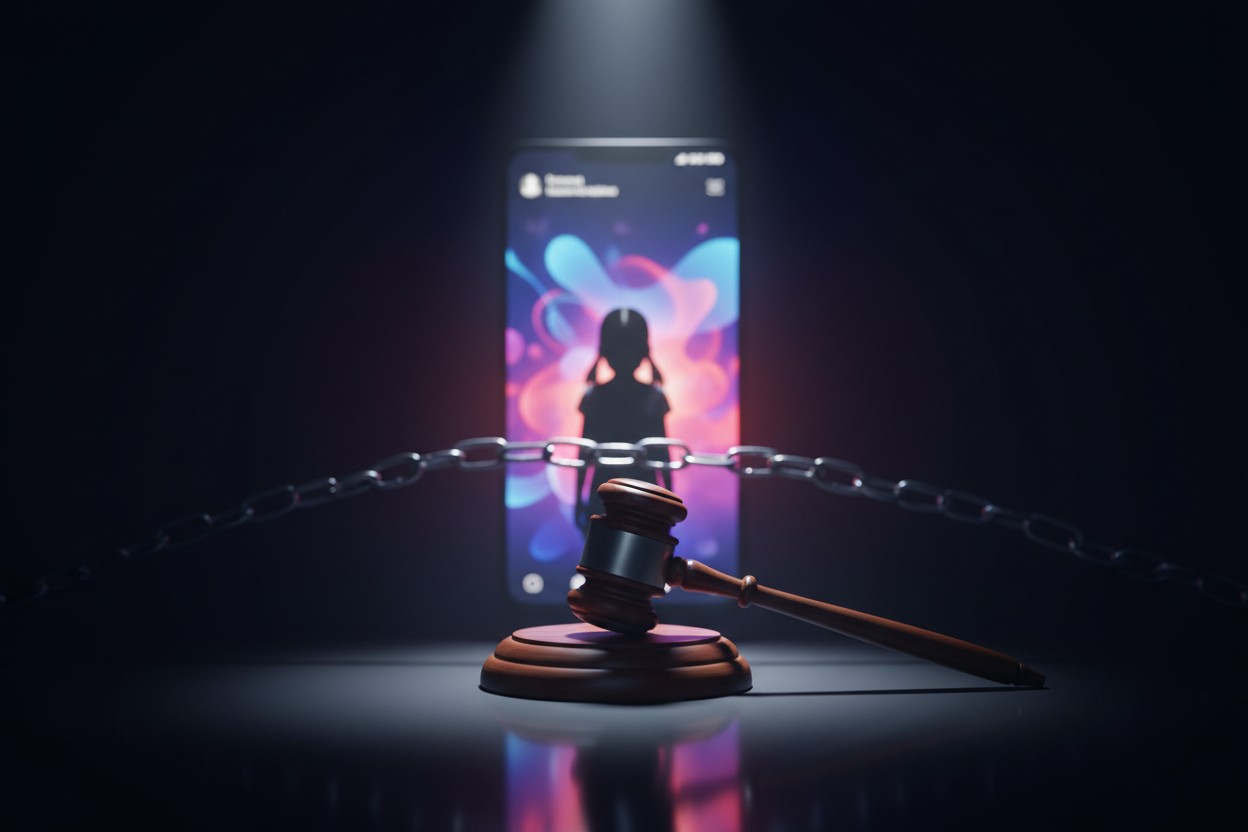
Lawsuit Alleges TikTok Violates Florida’s Social Media Ban for Minors
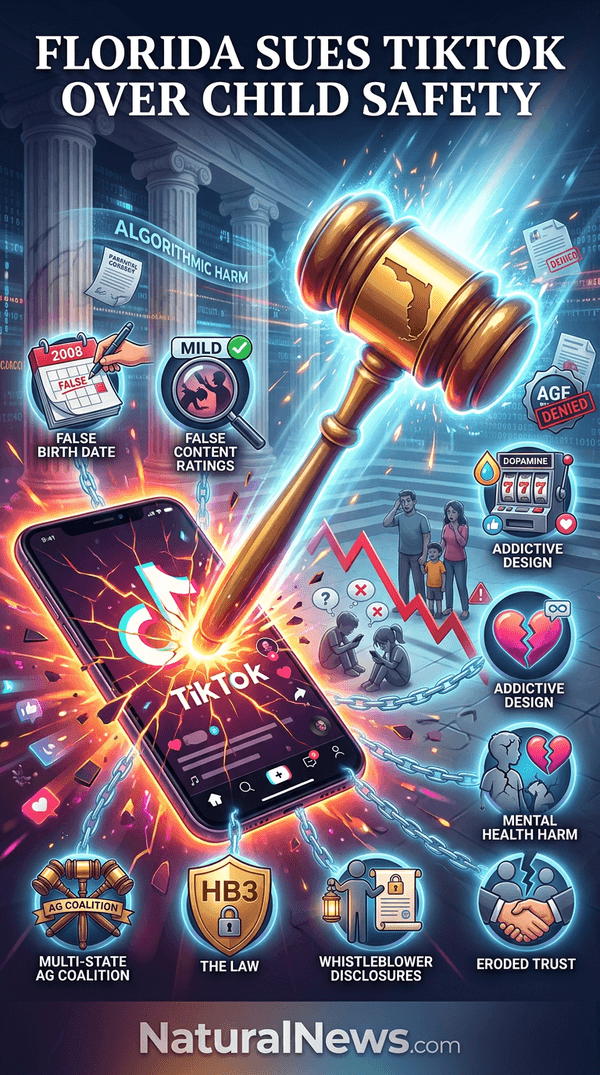
Florida Attorney General James Uthmeier filed a lawsuit on Monday against TikTok, accusing the company of violating the state’s new social media law for minors, House Bill 3. The lawsuit, filed in state court, alleges that TikTok failed to close accounts of children under 14 and did not implement required parental consent measures for users aged 14 and 15, according to officials. HB 3, which took effect Jan. 1, 2025, bans children under 14 from holding social media accounts regardless of parental consent and requires parental permission for teens aged 14 and 15. [1]
The lawsuit also claims that TikTok engaged in false advertising by labeling its mature content as “mild” or “infrequent,” misleading parents and regulators about the nature of material accessible to minors. Uthmeier’s office stated that the platform’s content ratings do not accurately reflect the volume of adult-oriented videos readily available to young users. The complaint seeks penalties and injunctive relief under Florida’s Deceptive and Unfair Trade Practices Act.
Details of the Lawsuit: Addictive Design and Psychological Vulnerabilities
The lawsuit contends that TikTok knowingly designed its platform to be addictive to children and teenagers, exploiting unique psychological vulnerabilities to maximize user engagement and advertising revenue. According to the filing, features such as infinite scroll, algorithmic content recommendations, and push notifications were engineered to override user autonomy, encouraging compulsive use that harms minors’ mental health. “Addiction is TikTok’s business model,” the lawsuit argues, noting that consistent user engagement drives advertising income for the company. [2]
Attorneys general from 15 states previously demanded that Apple and Google reclassify TikTok’s age rating from “teen” to “mature” due to concerns over harmful content, as reported in December 2022. [3] The Florida suit adds to a growing body of legal actions that characterize social media platforms as products designed to prey on young users’ attention spans. Whistleblowers have told the BBC that TikTok and Meta took risks with safety to win an “algorithm arms race,” allowing more harmful content on feeds to fuel outrage and engagement. [4]
TikTok’s Response and Broader Legal Context
TikTok did not immediately respond to requests for comment regarding the Florida lawsuit. The company faces numerous similar lawsuits across more than 25 states, alleging that its platform contributes to a youth mental health crisis through addictive design and exposure to harmful content. [5] In a landmark case in Los Angeles Superior Court, a jury found both Meta and Google liable for harms caused by social media addiction, setting a precedent that could influence the Florida litigation. [6]
In addition to state lawsuits, federal and state regulators have intensified scrutiny of social media platforms’ impact on minors. Earlier this year, Meta agreed to comply with Florida’s age verification requirements under HB 3, agreeing to remove accounts of children under 14 starting in May. [7] Uthmeier had set an April 8 deadline for tech companies to implement age verification systems, warning of litigation against noncompliant platforms. [8] Texas Attorney General Ken Paxton also sued Roblox in November 2025, describing the gaming platform as a “breeding ground for predators.” [9]
Attorney General’s Statement and Enforcement Intent
Uthmeier said in a written statement that Florida “has zero tolerance for companies that prioritize profit over children’s safety.” He added, “TikTok should expect to be held accountable.” The attorney general emphasized that the lawsuit is intended to enforce HB 3’s provisions and send a message to other social media companies operating in the state.
The lawsuit seeks unspecified penalties under Florida’s Deceptive and Unfair Trade Practices Act, as well as injunctive relief to force TikTok to comply with the law. Officials said the state will pursue the case aggressively to ensure the platform immediately removes underage accounts and provides accurate content warnings.
Implications for Social Media Regulation and Child Safety
House Bill 3 is one of the strictest state laws targeting social media use by minors, and its enforcement could shape regulatory approaches nationwide. Other states have enacted similar statutes, though many face legal challenges from tech companies on First Amendment grounds. A Fox News poll conducted in late 2025 found that 64% of American voters support banning social media for children under 16, reflecting broad public concern about youth mental health and online safety. [10]
The Florida lawsuit highlights an ongoing debate over platform accountability and parental rights. Critics of such laws argue that age verification requirements could erode privacy and enable government surveillance, while supporters claim they are necessary to protect vulnerable minors from exploitation and addiction. The outcome of the Florida case could influence how other states craft and defend similar legislation.
Conclusion: Next Steps in the Legal Process
The lawsuit has been filed in state court, and TikTok is expected to contest the allegations through legal motions and potentially a trial. Legal experts anticipate that the company will argue that HB 3 infringes on free speech rights and that its content moderation practices already comply with federal guidelines. The case could take months or years to resolve, with possible appeals reaching higher courts.
Beyond Florida, TikTok’s parent company ByteDance continues to face federal scrutiny over national security concerns and state-level lawsuits over child safety. The cumulative legal pressure may push social media companies to adopt more stringent age verification and content moderation standards, though questions about privacy and enforcement remain.
References
- Florida passes law banning social media for children under 14 years old. NaturalNews.com. March 29, 2024.
- Social media giants agree to pay $27M to settle landmark school district lawsuit over student mental health crisis. NaturalNews.com. June 2, 2026.
- 15 AGs demand Apple Google app stores change TikTok rating to mature. NaturalNews.com. December 20, 2022.
- TikTok and Meta risked safety to win algorithm arms race, whistleblowers say. BBC News. March 16, 2026.
- TikTok, Meta, and YouTube sued in first-ever child addiction trial. RT.com. January 27, 2026.
- California jury finds Meta, YouTube liable in landmark social media addiction trial. JustTheNews.com. March 25, 2026.
- Meta To Comply With Florida Age Verification Digital ID Law. ReclaimTheNet.org. April 7, 2026.
- Florida Gives Tech Platforms Deadline for Age ID Checks. ReclaimTheNet.org. March 12, 2026.
- Texas AG Paxton takes Roblox to court, slams gaming platform as “breeding ground for predators.” NaturalNews.com. November 9, 2025.
- Two-thirds of Americans support social media ban for teens under 16, poll shows. NaturalNews.com. December 26, 2025.
- Trends-Journal-2024-03-12.
- Nancy Grace. Dont Be a Victim.
Explainer Infographic


Please contact us for more information.