



- The average American consumes only 10-15 grams of fiber daily, roughly half the recommended 25-34 grams, leading to increased risks of constipation, colorectal cancer and metabolic disease.
- With 25 grams of fiber per cup, a single serving of passion fruit can meet almost an entire daily requirement, making it the highest-fiber fruit available.
- Pears contain six grams of fiber per fruit plus sorbitol (a natural laxative), while avocados deliver 14 grams of fiber and improve gut microbiome diversity.
- Clinical research shows that eating two kiwis daily for four weeks significantly improves bowel movement frequency, leading the British Dietetic Association to recommend them as a natural solution.
- Experts warn against suddenly doubling fiber intake to avoid bloating and gas; a slow increase with plenty of water and pairing fruit with protein is recommended for best results.
In a food culture dominated by refined carbohydrates, a quiet revolution is growing on grocery store shelves. It concerns six fruits—passion fruit, apples, blackberries, raspberries, pears and avocados—that nutrition scientists now rank as the highest-fiber options available.
This matters because the average American diet falls critically short of the daily 25 to 34 grams of fiber recommended for health, a deficit linked to rising rates of constipation, colorectal cancer and metabolic disease. Incorporating just a single avocado or a cup of raspberries can deliver nearly half of your daily fiber requirement, offering a tangible solution that does not require pills or powders.
"Fiber deficiency is one of the most widespread nutrient deficiencies in the United States. It is defined by a failure to consume the recommended minimum daily intake of fiber," said BrightU.AI's Enoch. "This condition is extremely common, with evidence suggesting that only about 3% of Americans may actually meet the daily requirement."
The fiber gap: A national health crisis
For decades, public health authorities have urged Americans to eat more fiber, yet the average adult now consumes only 10 to 15 grams per day—roughly half the recommended intake. Constipation affects an estimated 16% of the U.S. population, with rates climbing among older adults. More alarmingly, low fiber intake is a known risk factor for diverticular disease and colorectal cancer, the third most common cancer diagnosed in both men and women.
The news that certain fruits pack remarkably high fiber loads is, therefore, a public health intervention waiting to be embraced. Passion fruit tops the chart with an extraordinary 25 grams of fiber per cup, meaning a single serving can meet nearly an entire day's requirement. This tropical fruit contains pulp dense with insoluble fiber, which adds bulk to stool and speeds transit through the colon.
Apples: The everyday gut guardian
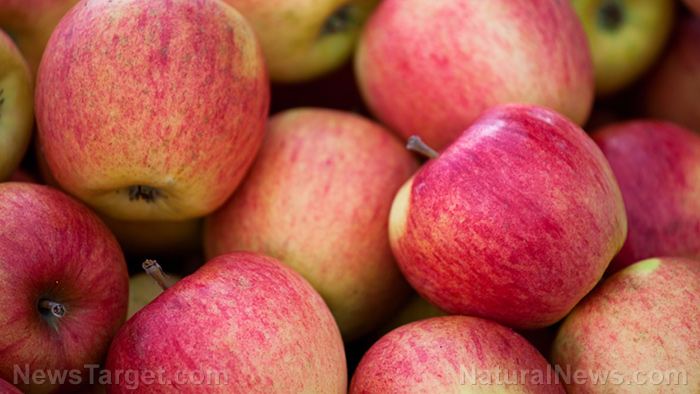
A medium apple provides five grams of fiber, a mix of soluble pectin and insoluble cellulose. The pectin plays a dual role: it ferments in the gut to feed beneficial bacteria while its gel-like consistency helps soften stool. Research has linked apple consumption to a reduced risk of colorectal cancer, with the fiber and polyphenol antioxidants working together to reduce inflammation. Eating three to four small apples daily can effectively address mild constipation without the need for laxatives.
Berries: Small packages, powerful punch
Blackberries and raspberries deliver eight grams of fiber per cup or roughly 27% of the daily intake. These berries contain both soluble and insoluble fiber, providing broad digestive support. The insoluble fiber acts as a natural scrub brush, moving waste through the intestines, while the soluble fiber dissolves into a gel that stabilizes blood sugar. The antioxidants in berries, particularly anthocyanins, also reduce gut inflammation, making them strategic for anyone seeking to calm an irritated digestive tract.
Pears: The unsung hero of regularity
Pears contain 23% more total dietary fiber and 45% more insoluble fiber than apples. A single medium pear provides six grams of fiber, covering about a quarter of daily needs. But fiber is only part of the story. Pears also contain sorbitol, a naturally occurring sugar alcohol that functions as a mild osmotic laxative. Sorbitol draws water into the colon, softening stool and making bowel movements easier to pass.
Avocados: A fat-fiber disruption
Avocados challenge the conventional image of fruit. They are high in healthy monounsaturated fats and deliver 14 grams of fiber per whole fruit. Recent research indicates that avocados increase gut microbiome diversity, cultivating a wider variety of beneficial bacteria associated with better immune function and reduced inflammation. The fat and fiber combination also enhances satiety, helping people feel full longer.
Kiwis: The emerging clinical favorite
While its fiber content per fruit is modest compared to passion fruit or avocados, clinical research has elevated kiwi to a position of special importance. One study found that consuming two kiwis per day for four weeks significantly improved digestive discomfort and bowel movement frequency in people with chronic constipation. New dietary guidelines from the British Dietetic Association, based on an analysis of 75 clinical trials, now recommend eating two to three kiwis daily for at least four weeks as a powerful natural solution for chronic constipation.
Despite the clear benefits, health experts caution against suddenly doubling fiber intake. The digestive system requires time to adjust and consuming too much fiber too quickly can cause bloating and gas. A gradual increase, accompanied by plenty of water, is the recommended approach. Pairing high-fiber fruits with protein—such as nut butter or Greek yogurt—can also help stabilize blood sugar.
The case for eating whole, unprocessed fruit
A single serving of passion fruit or avocado can supply half or more of the day's fiber. A pear or an apple provides a quarter. And a handful of berries or two kiwis can keep the digestive system running smoothly without medical interventions. In an era of expensive supplements, nature's highest-fiber fruits remain the simplest, most effective prescription available.
Watch and discover the importance of fiber-rich foods.
This video is from the Health Ranger Store channel on Brighteon.com.
Sources include:










Please contact us for more information.