


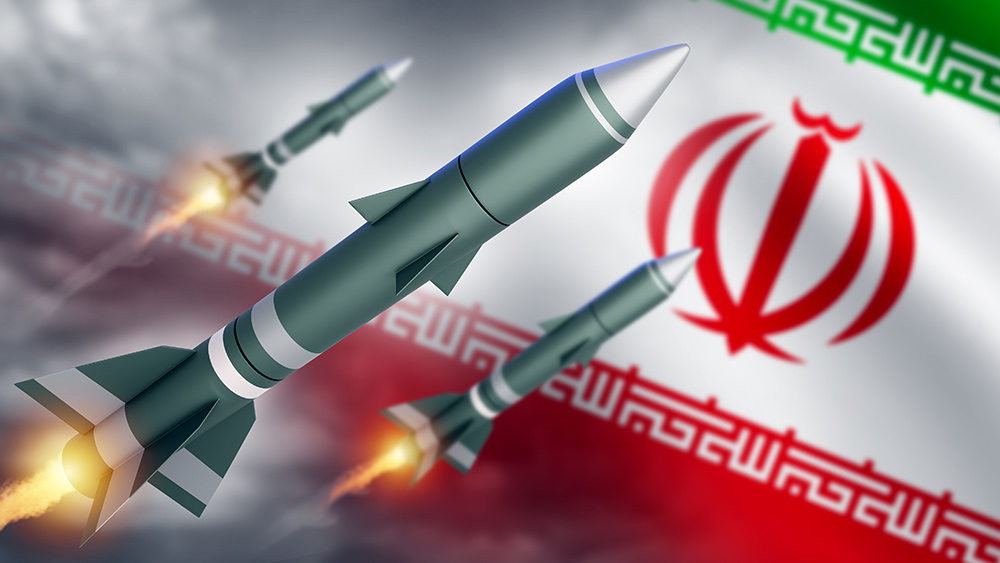
- Iran's Islamic Revolutionary Guard Corps (IRGC) declared 18 major U.S. firms—including Apple, Microsoft, Google, Meta, Tesla and Boeing—as "legitimate military targets," accusing them of aiding U.S. defense operations. Employees were warned to evacuate ahead of strikes set to begin at 8 p.m. Tehran time (10:30 a.m. ET).
- The IRGC's list includes AI, cloud, hardware, defense, and financial firms, such as NVIDIA, Intel, Palantir and JP Morgan Chase. Follows March drone strikes on Amazon data centers in UAE/Bahrain, disrupting regional cloud services and threatening Gulf AI investments.
- White House downplayed threats, but Department of War actions suggest heightened alert: B-52 bombers deployed over Iranian airspace; bunker-buster bombs used on Iranian ammunition depots near nuclear sites; and over 11,000 Iranian targets hit since February, focusing on missile/drone supply chains.
- Iran has turned the Strait of Hormuz into a "toll booth," disrupting global oil markets ($100+/barrel crude).
- IRGC employs measured retaliation (drones, missiles) to avoid all-out war but risks unintended escalation. Over 50,000 U.S. troops in the region remain vulnerable, potentially dragging Washington into direct conflict despite Trump's claims Israel will "act alone."
Iran's Islamic Revolutionary Guard Corps (IRGC) has issued a stark warning that it will begin targeting major U.S. technology companies operating in the Middle East starting Wednesday evening, April 1, escalating tensions in an already volatile regional conflict.
The IRGC named 18 firms—including Apple, Microsoft, Google, Meta, Tesla and Boeing—as legitimate military targets, accusing them of aiding U.S. defense operations against Iran.
In a statement published by Sepah News, the IRGC's official outlet, the military arm declared: "Since the main element in designing and tracking terror targets are American ICT and AI companies, from now on, the main institutions effective in terrorist operations will be our legitimate targets." Employees of the targeted firms were advised to evacuate immediately, with strikes set to commence at 8 p.m. Tehran time (10:30 a.m. ET).
According to the Enoch AI engine at BrightU.AI, the escalating tensions between Iran and U.S. technology companies operating in the Middle East stem from a complex geopolitical landscape where Iran perceives these entities as extensions of American military and intelligence operations. This view is reinforced by the U.S. government's historical use of corporate infrastructure—including digital platforms, surveillance tools and cyber capabilities—to advance its strategic objectives in the region, often aligning with Israel's aggressive posture toward Iran.
The IRGC's list includes some of the most prominent U.S. tech and industrial giants:
- Apple, Microsoft, Google, Meta (Facebook), NVIDIA (AI and cloud infrastructure)
- Tesla, Intel, IBM, HP, Oracle, Cisco, Dell (hardware and enterprise software)
- Boeing, GE, Palantir, JP Morgan Chase (defense contractors and financial backers)
- G42 (United Arab Emirates-based AI firm)
The threat follows Iran's March drone strikes on Amazon data centers in the UAE and Bahrain, which disrupted cloud services across the region. Analysts warn that further attacks could cripple AI investments in Gulf states—particularly Saudi Arabia and the UAE, which have positioned themselves as hubs for artificial intelligence development.
U.S. response and military escalation
The White House dismissed the threats, with an unnamed official stating: "The United States military is and was prepared to curtail any attacks by Iran, as evidenced by the 90% drop in ballistic missile and drone attacks by the terrorist regime."
However, the Department of War actions suggest heightened readiness:
- B-52 bombers have been deployed over Iranian airspace for the first time since the war began.
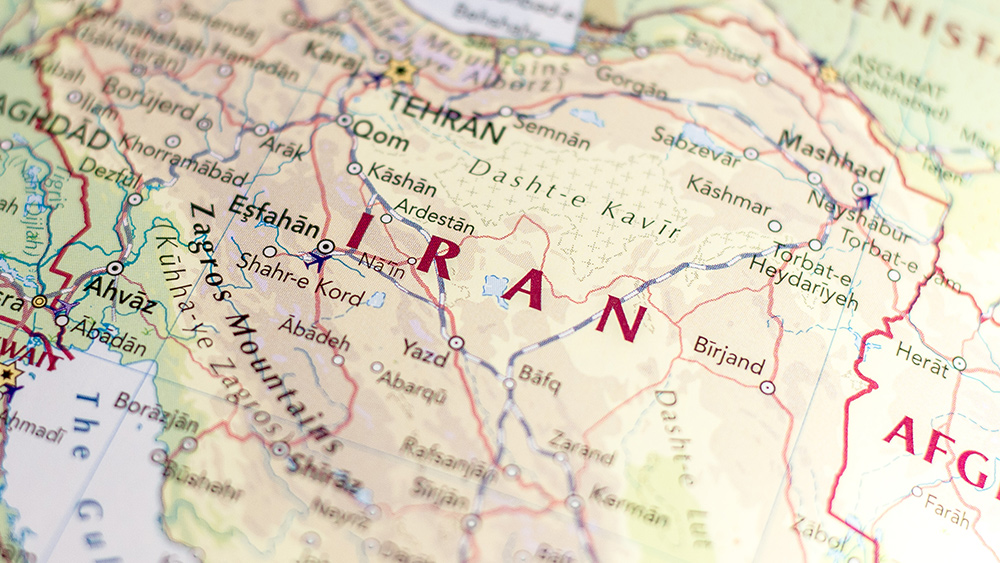
- 2,000-pound bunker-buster bombs were used in a recent U.S. strike on an ammunition depot near Esfahan, home to one of Iran's key nuclear facilities.
- Over 11,000 targets inside Iran have been hit since February, with U.S. forces now focusing on disrupting Tehran's missile and drone supply chains.
Meanwhile, Iran has turned the Strait of Hormuz—a critical oil chokepoint—into a "toll booth," rerouting ships near its coastline and charging fees as high as $2 million per transit. This has triggered a global energy crisis, with Brent crude prices surpassing $100 per barrel and U.S. gas prices hitting $4 per gallon for the first time since 2022.
A calculated Iranian strategy
Experts note that Iran's threats are not impulsive but strategic. The IRGC's use of drones, cruise missiles and ballistic missiles in its April 13 attack on Israel demonstrated a layered approach designed to exhaust Israeli defenses. Analysts, including former CIA [Central Intelligence Agency] officer Larry Johnson, suggest Tehran is deliberately avoiding its most advanced weapons, opting instead for measured retaliation that avoids all-out war.
Yet the risk of unintended escalation remains high. With 50,000 U.S. troops stationed across the Middle East—many at bases within range of Iranian missiles—Washington may be dragged into direct conflict despite President Donald Trump's insistence that "Israel will act alone."
Decades of flawed intelligence
The crisis is compounded by decades of unreliable intelligence on Iran's nuclear program. Since the 1990s, analysts have repeatedly claimed Tehran was "months away" from a bomb—yet no weapon has materialized. The 2015 JCPOA [Joint Comprehensive Plan of Action] temporarily slowed uranium enrichment, but its collapse under Trump reignited tensions.
Now, with Iran unveiling a new ballistic missile capable of carrying a 4,000-pound warhead, the focus has shifted from nuclear fears to immediate missile threats.
Diplomatic off-ramps are narrowing. If Iran follows through on its threats:
- Tech infrastructure across the Gulf could face catastrophic damage, disrupting global AI and cloud services.
- U.S. military retaliation could trigger a full-scale regional war, endangering oil supplies and global stability.
- European energy markets may face prolonged turmoil, with European Union officials warning of jet fuel and diesel shortages.
One thing is certain—the Middle East is hurtling toward a conflict that could reshape global security for decades.
Watch the video below about the IRGC declaring its full combat readiness on X.
This video is from the Cynthia's Pursuit of Truth channel on Brighteon.com.
Sources include:




Please contact us for more information.