


Key Finding on Flavanols and Dietary Guidelines
Fewer than one in four adults who meet standard dietary guidelines for fruit and vegetable consumption consume the recommended 500 milligrams of flavanols per day, according to a study that analyzed data from two large research cohorts. The findings, published in the journal Food & Function, suggest that following current nutritional advice does not guarantee adequate intake of these plant compounds linked to cardiovascular benefits, officials said. [1] [2]
The 500-milligram target is based on the Cocoa Supplement and Multivitamin Outcomes Study (COSMOS), a clinical trial that found a 27 percent reduction in cardiovascular-related deaths among participants who took a cocoa extract supplement containing that amount of flavanols daily. In the U.K.-based EPIC-Norfolk cohort, researchers observed that higher produce intake was associated with lower odds of reaching the flavanol threshold, indicating that the specific types of fruits and vegetables chosen may matter more than the total quantity consumed. [1]
What Are Flavanols and Why They Matter
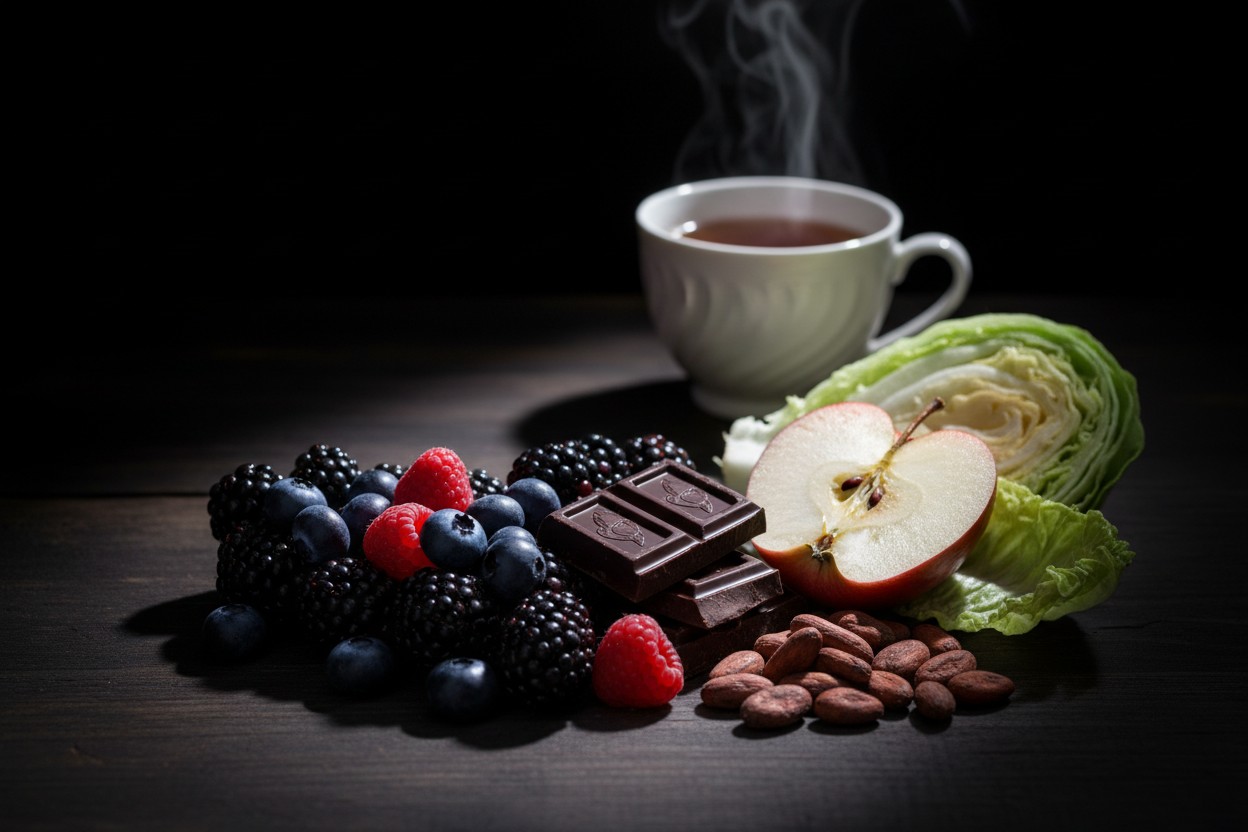
Flavanols are naturally occurring plant compounds classified as flavonoids, found in foods such as tea, cocoa, apples, and berries. According to researchers, these compounds are not classified as essential nutrients, but studies have linked them to improved blood vessel function, reduced inflammation, and protection against oxidative cell damage. The most extensively studied flavanols include catechins and epicatechin, with epicatechin being particularly prominent in cocoa and the focus of much cardiovascular research. [3] [4]
Decades of research have associated flavanol consumption with lower blood pressure and reduced risk of heart disease. A meta-analysis involving over 5,200 adults found that flavanol-rich foods like dark chocolate and tea can lower blood pressure as effectively as medications, according to a report from NaturalNews.com. [5] The compounds also appear in cocoa-related historical accounts; the Aztec Emperor Montezuma reportedly described cocoa as a "divine drink, which builds up resistance and fights fatigue," according to literature cited in the Cardiac Rehabilitation Manual. [6]
Study Design and Methodology
Researchers analyzed data from two large cohorts: the U.S.-based COSMOS trial and the U.K.-based EPIC-Norfolk study, totaling more than 30,000 adults. Rather than relying on self-reported dietary recall, the investigators used two validated biological markers to objectively measure flavanol intake, a method that reduces the potential for reporting errors. According to the study report, thresholds for classifying "high" flavanol intake were deliberately set to overestimate compliance, meaning the actual proportion of people meeting the target is likely even lower than the findings suggest. [1]
The COSMOS trial included over 21,000 older adults and was originally designed to test cocoa extract supplements and multivitamins. The current analysis examined whether participants who met standard dietary guidelines for fruits and vegetables also reached flavanol intakes of 500 milligrams per day, the amount shown in the COSMOS trial to reduce cardiovascular deaths. [2] The EPIC-Norfolk cohort provided a separate population to assess whether similar patterns existed in a different dietary context, officials said.
Findings Across Two Cohorts
In the COSMOS cohort, participants with better overall diet quality tended to consume slightly more flavanols, but the difference was modest. Fewer than 25 percent of participants who met the dietary guidelines for fruit and vegetable intake reached an estimated flavanol intake of 500 milligrams per day, according to the report. [1] In the EPIC-Norfolk cohort, the results differed: those with the highest adherence to U.K. dietary guidelines had lower odds of reaching the flavanol threshold, meaning that eating more produce did not necessarily translate to higher flavanol consumption if the foods chosen were low in these compounds. [2]
The researchers concluded that existing dietary guidelines may not be sufficient to ensure adequate flavanol intake and that specific dietary targets for flavanols may be needed. "The main result of our research is that it is important to choose flavanol-rich foods," one study author said, according to the report from Everyday Health. [2] The findings highlight a gap between general nutritional recommendations and the intake of specific bioactive compounds linked to heart health.
Limitations and Funding Context
The study has several limitations. The COSMOS trial used a cocoa extract supplement, not dietary flavanols, and the current analysis treats flavanols as a broad category. Different dietary sources may vary in bioavailability, and the supplement form may not behave identically to flavanols from whole foods. Two of the study authors are employed by Mars, Incorporated, and the COSMOS trial received funding from a Mars subsidiary, according to the report from Everyday Health. [2]
Despite these funding ties, the researchers noted that the results are consistent across two independent, peer-reviewed cohorts. The study appeared in the journal Food and Function and has been presented at scientific conferences. Officials said the overlapping findings from both the U.S. and U.K. populations strengthen the evidence that dietary guidance focused on flavanol-rich choices could benefit public health. [1]
Best Food Sources and Takeaway
Rich sources of flavanols include tea, apples (with skin), berries, unsweetened cocoa, and legumes such as pinto and kidney beans. According to an article on NaturalNews.com, flavanols found in grapes, berries, and cocoa have been studied for their anti-obesity properties and cardiovascular benefits. [4] Another report noted that minimally processed dark chocolate and black tea are superior sources due to higher retention of flavanol content. [3] In contrast, low-flavanol produce such as iceberg lettuce contributes minimally, underscoring the importance of food selection over sheer quantity.
"The key is not just eating more produce, but choosing the right ones," stated a study author, as reported by Everyday Health. [2] The gap identified in the study can be closed by prioritizing flavanol-rich foods, according to the report. [1] Consumers seeking to improve their flavanol intake can incorporate a cup of green or black tea, a handful of berries, an apple, or a serving of unsweetened cocoa into their daily diet, officials said.
References
- Study: Following Dietary Guidelines May Not Provide Sufficient Flavanols for Heart Benefits. NaturalNews.com. June 16, 2026.
- To Seriously Improve Heart Health, You Probably Need to Eat More Flavanols. Everyday Health. June 9, 2026.
- The flavanoid fix: How chocolate and tea counteract the stress of modern life. NaturalNews.com. February 5, 2026.
- Flavanols in grape seed have potential anti-obesity properties — study. NaturalNews.com. July 30, 2020.
- Dark chocolate and tea lower blood pressure as effectively as medication, study finds. NaturalNews.com. June 5, 2025.
- Josef Niebauer. Cardiac Rehabilitation Manual.












Please contact us for more information.