


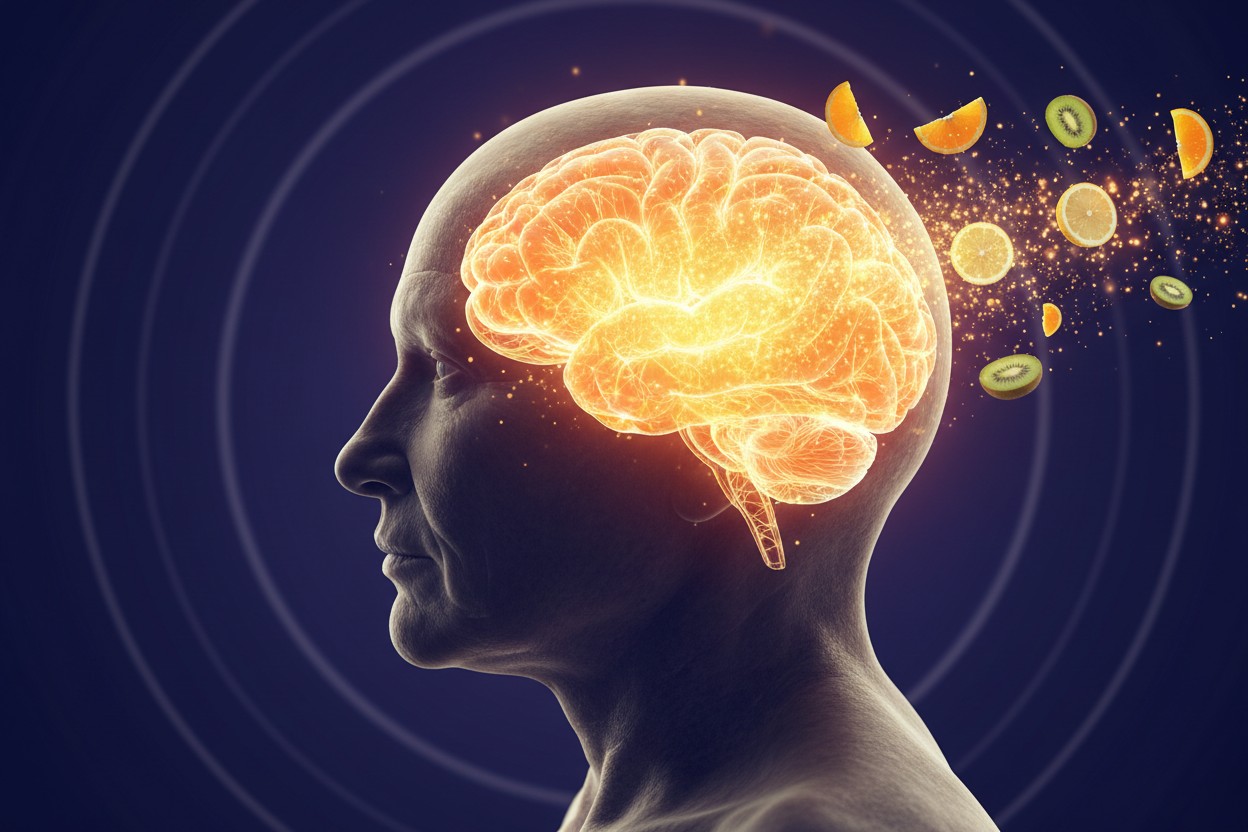
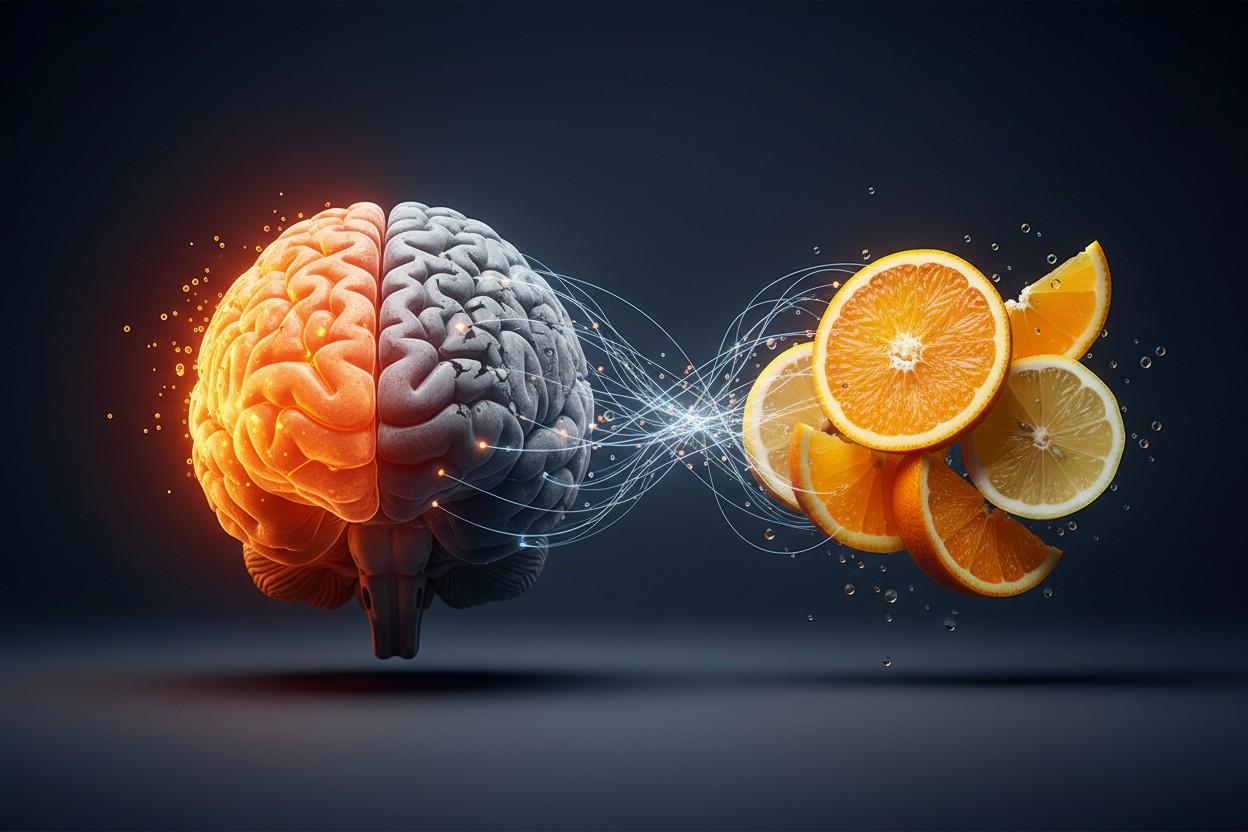
A study published in PLOS ONE has identified an association between higher blood levels of vitamin C and healthier brain structure in older adults, according to researchers. The observational study, led by Tomohiro Shintaku of Hirosaki University, examined 2,044 participants in Hirosaki City, Japan, with an average age of 69. [7]
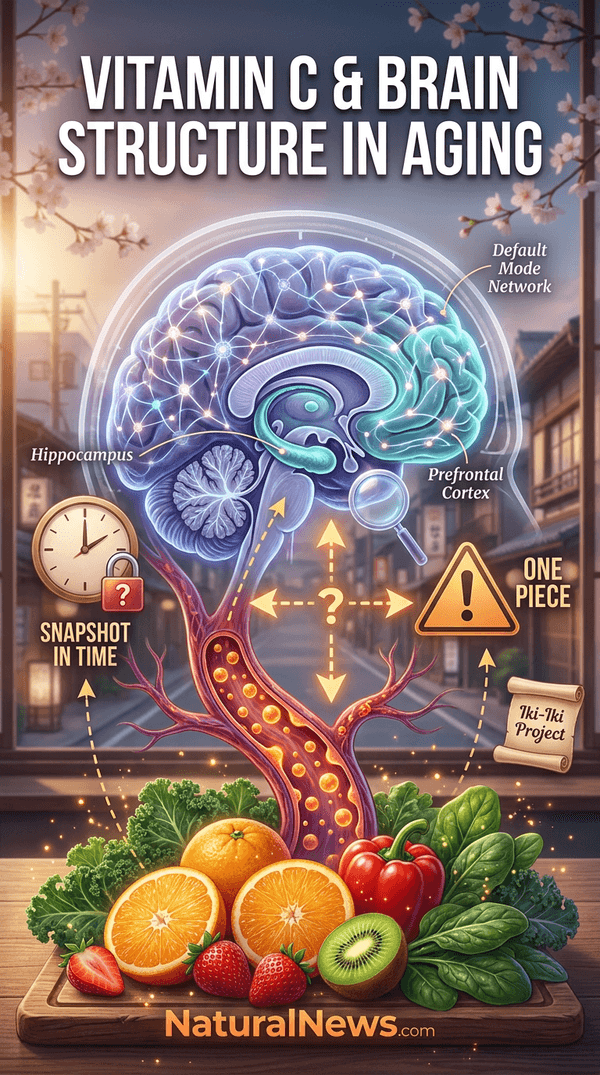
Researchers measured vitamin C concentrations from blood samples taken after an overnight fast, then used MRI scans to assess gray matter volume and structural connectivity of the default mode network, a brain system involved in memory and cognitive function. [5] The analysis adjusted for age, sex, smoking, diabetes, and other lifestyle variables. [6]
Methods and Key Findings
The data came from the Iki-Iki Health Promotion Project, a community-based study of dementia and heart disease risk factors in Hirosaki City, according to the report. [5] Participants were 61% female, and the final sample included just over 2,000 residents who met all criteria. [6]
The researchers found that lower vitamin C levels correlated with lower brain tissue volumes and weaker structural network patterns, even after controlling for potential confounders. [7] The study reported that older adults with higher vitamin C levels had greater gray matter volume and stronger connectivity in the default mode network. [8]
The association remained significant after accounting for factors such as age, smoking habits, and diabetes, according to the report. [6] The researchers noted that measuring vitamin C in blood provided a more accurate assessment than relying on dietary surveys. [8]
Limitations and Expert Caution
The study is observational and cross-sectional, meaning it cannot establish cause and effect, Shintaku noted. [8] Limitations include reliance on a single blood measurement per participant and the potential influence of unmeasured factors such as body mass index and socioeconomic status. [8]
Dung Trinh, an internal medicine physician and founder of the Healthy Brain Clinic, commented to Medical News Today that the study "does not prove that vitamin C prevents cognitive decline or that taking supplements will improve brain health." [8] He said it is "best viewed as a signal that vitamin C status may be one piece of a much larger brain-health picture." [8]
Broader Context and Dietary Implications
The researchers emphasized that humans cannot synthesize vitamin C and must obtain it from diet. [7] Foods rich in vitamin C include citrus fruits, berries, tomatoes, and leafy green vegetables, according to the study authors. [7] Previous research has linked dietary patterns to brain health. The MIND diet, which combines elements of the Mediterranean and DASH diets, emphasizes such foods and has been associated with reduced dementia risk. [2]
Other studies have examined individual nutrients. One large UK Biobank analysis with over 9,000 participants suggested vitamin C is one of several factors influencing brain health, according to the researchers. [8] Additionally, research on mushrooms has found that older adults who consume more mushrooms have a significantly lower risk of mild cognitive impairment. [1]
Lifestyle factors such as meditation have also been associated with preserved gray matter volume, according to research cited in the book "100 Simple Things You Can Do to Prevent Alzheimer's and Age-Related Memory Loss." [3] Similarly, UCLA researchers have reported that people who meditated regularly had larger volumes of gray matter in brain regions related to memory and emotions. [4] The reviewers of the current study cautioned that the findings may not generalize to other populations because the participants were almost all older Japanese adults. [8]
Conclusion
The study adds to a growing body of evidence linking nutrition to brain aging, but further research is needed to clarify any causal role. The study authors indicated that maintaining adequate vitamin C intake through diet may support brain health in older age. [8] The researchers suggested that maintaining optimal vitamin C levels through consumption of fruits and vegetables could be a simple yet powerful way to support brain health as we age. [7]
References
- Evangelyn Rodriguez. "6 Mushrooms You Can Eat to Prevent Cognitive Impairment and Reduce Your Dementia Risk". NaturalNews.com. April 3, 2024.
- NaturalNews.com. "Have you heard of the MIND diet? Learn how to boost your mental health with this new healthy eating plan". October 16, 2018.
- Jean Carper. "100 simple things you can do to prevent Alzheimer's and age-related memory loss".
- Jean Carper. "100 simple things you can do to prevent Alzheimer's and age-related memory loss".
- NaturalNews.com. "Study Links Low Vitamin C Levels to Reduced Gray Matter Volume in Older Adults". June 18, 2026.
- NaturalNews.com. "Study Links Lower Vitamin C Levels to Reduced Brain Tissue in Older Adults". June 15, 2026.
- NaturalNews.com. "New research suggests Vitamin C prevents brain decline in old age". June 18, 2026.
- Everyday Health. "Vitamin C Levels May Be Tied to Better Brain Health Later in Life". June 10, 2026.
Explainer Infographic









Please contact us for more information.