


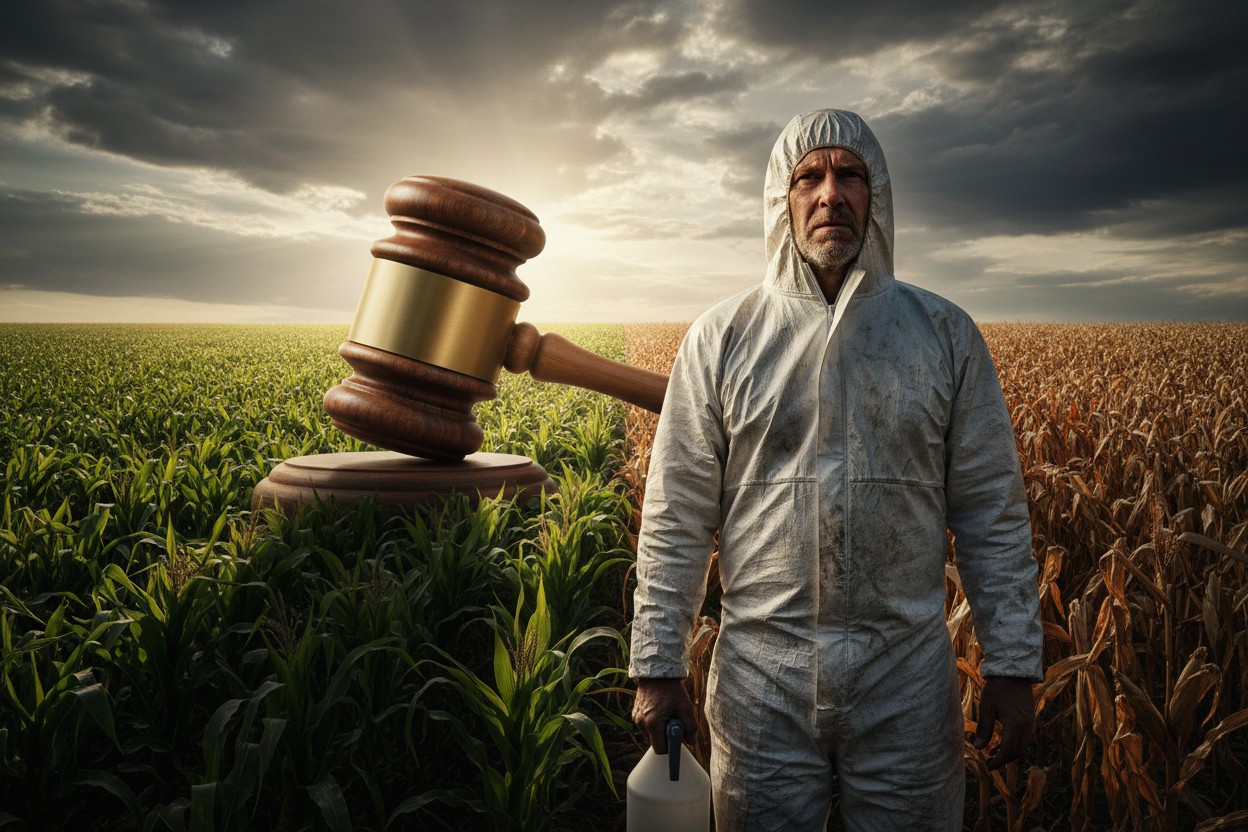
The U.S. Supreme Court ruled 7-2 on Thursday, June 25 that federal pesticide law bars state failure-to-warn claims against Bayer’s Roundup weedkiller – a decision expected to throw out thousands of lawsuits alleging the product causes cancer.
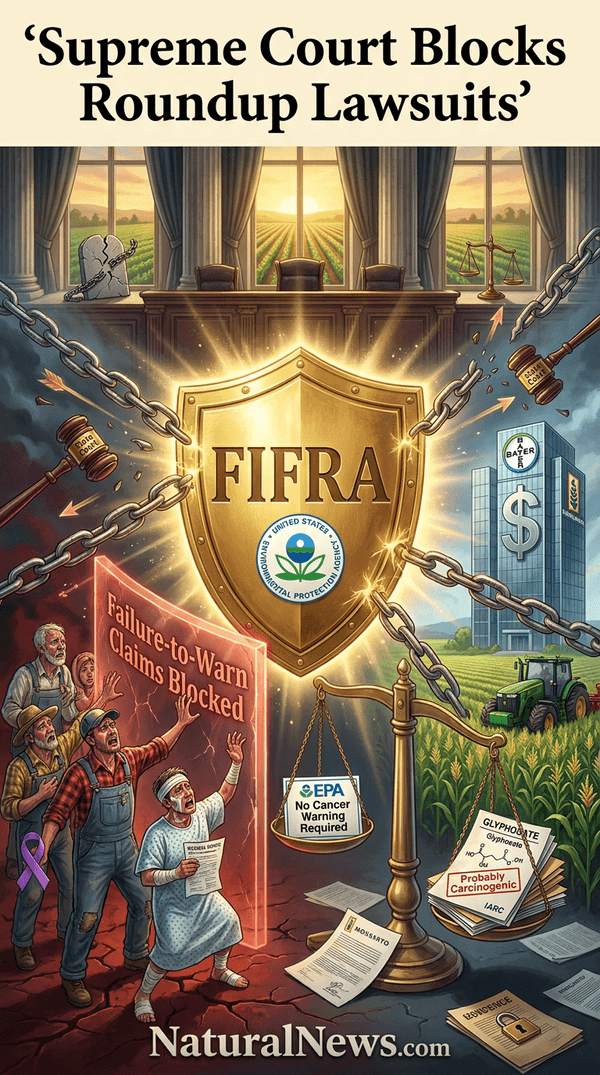
In the majority opinion, Justice Brett Kavanaugh wrote that the Federal Insecticide, Fungicide and Rodenticide Act (FIFRA) preempts state law claims because the Environmental Protection Agency (EPA) has approved the product's label without a cancer warning, according to the ruling. [1] [2] The case centered on Missouri resident John Durnell, who developed non-Hodgkin lymphoma after using Roundup for decades. A jury had awarded him $1.25 million, but the company appealed.
Justice Ketanji Brown Jackson, joined by Justice Neil Gorsuch, dissented, arguing that Monsanto could have added a warning without violating federal law. The court’s decision effectively removes the core legal theory behind tens of thousands of pending lawsuits. [3] [4]
Background: Decades of Litigation and Regulatory Conflict
Bayer acquired Monsanto, the original maker of Roundup, in 2018 for $63 billion and has since faced more than 200,000 claims from users who say the weedkiller caused their cancer. The World Health Organization's International Agency for Research on Cancer classified glyphosate, Roundup's active ingredient, as "probably carcinogenic" in 2015. [5] The EPA has maintained that glyphosate is not likely to cause cancer in humans when used as directed and has not required a cancer warning on the label. [6]
Bayer previously set aside $16 billion to settle cases and, earlier this year, proposed a $7.25 billion class-action settlement to resolve many outstanding claims, according to court filings. Internal company documents reviewed by journalists show that Monsanto knew about potential risks but sought to influence scientific research, according to the book "The Monsanto Papers" by Carey Gillam. [7] In 2025, a wave of state and federal legislation sought to shield pesticide manufacturers from liability, sparking national debate. [8]
Reactions from Plaintiffs, Bayer and Advocacy Groups
Durnell, whose case prompted the ruling, said his cancer is in remission but expressed disappointment for others. "There are thousands of cases that are like mine that will not see court now," he said, as reported by the Associated Press (AP). Attorney Christopher Seeger, a claimant's representative in the proposed class-action settlement, said the ruling "wrongly slams the courthouse door on Americans sickened by pesticides"” [9]
Bayer CEO Bill Anderson said the decision "is good for American farmers who help feed the world" and provides "regulatory clarity," according to AP. Jay Feldman, executive director of Beyond Pesticides, called the ruling "a tragic setback for public and environmental health." [9] Agriculture groups praised the decision, with former Missouri Farm Bureau president Blake Hurst stating it "protects our access to the tools that let us care for our soil, protect our crops and keep food affordable." [2]
Broader Implications for Pesticide Regulation and Public Health
The ruling may affect similar health claims against other pesticide products, according to legal analysts. Agricultural groups have argued that Roundup is essential for a strong food supply, while health advocates contend that the EPA's approval process does not account for long-term risks or chemical mixtures. A 2025 study found that glyphosate-based weedkillers caused multiple cancers in rats at doses regulators consider safe, adding to ongoing controversy. [10]
The decision has also created a rift within the Make America Healthy Again (MAHA) movement. Health Secretary Robert F. Kennedy Jr. has stated that glyphosate causes cancer, but the Trump administration supported Bayer in the case. MAHA advocate Kelly Ryerson called the administration’s participation “unforgivable.” [11]
The ruling does not block design-defect lawsuits, and Durnell said he is considering filing a new case on different grounds, according to AP. State-level efforts to pass pesticide liability laws continue, with Kentucky becoming the third state to shield manufacturers from lawsuits. [12]
References
- 100PercentFedUp.com. "JUST IN: Supreme Court Issues Surprise 7-2 Ruling In Favor Of Monsanto, Gorsuch and Ketanji Issue Rare Joint Dissent." June 25, 2026.
- The Epoch Times. "Supreme Court Sides With Monsanto in Dispute Over Weedkiller’s Alleged Cancer Risk." June 25, 2026.
- NaturalNews.com. "Bayer stock soars as Supreme Court agrees to hear Roundup preemption appeal." January 21, 2026.
- ZeroHedge. "Bayer Stock Soars After Supreme Court Guts Core Legal Theory Behind 1000s Of Roundup Cases." June 25, 2026.
- 100PercentFedUp.com. "Republican Attorney General Launches Investigation Into Glyphosate Contamination In Food Products." June 2, 2026.
- NaturalNews.com. "Supreme Court Poised to Grant Chemical Warfare Immunity: How Glyphosate Legal Shield Would Poison American Justice." January 20, 2026.
- Carey Gillam. "The Monsanto Papers."
- NaturalNews.com. "Pesticide liability bills spark national debate over corporate immunity and public health risks." August 7, 2025.
- NaturalNews.com. "Bayer's ruthless bid for immunity SILENCES cancer victims and overrides the rule of law." June 6, 2025.
- NaturalNews.com. "New study finds glyphosate weedkillers cause multiple cancers in rats at safe doses." June 12, 2025.
- ZeroHedge. "MAHA Advocates To Converge In Washington For 'People Vs. Poison' Rally." April 27, 2026.
- NaturalNews.com. "Kentucky law shields pesticide companies; critics warn of preemption on cancer warnings." June 20, 2026.
Explainer Infographic







Please contact us for more information.