


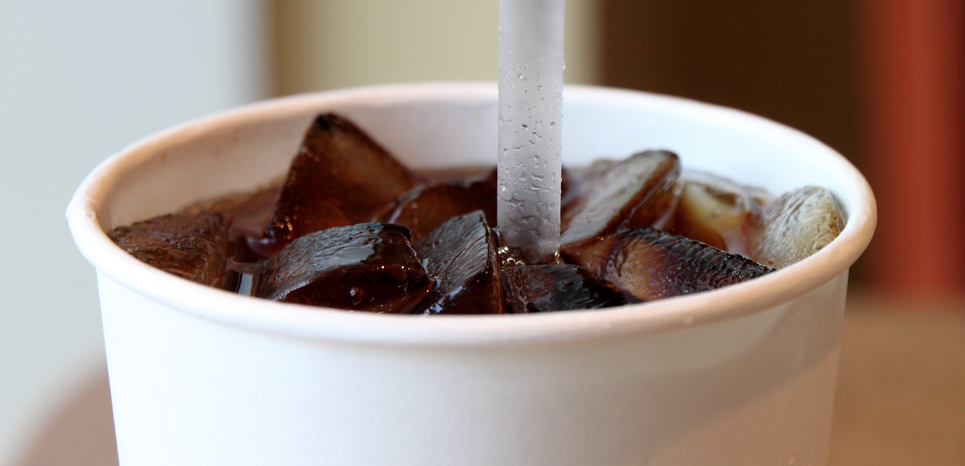
- A 10-year study of nearly 124,000 people found diet drinks increase fatty liver disease risk by 60%, surpassing the 50% risk from sugary sodas
- Only artificially sweetened beverages showed a significant link to liver-related deaths, while sugary drinks did not
- Replacing either type of sweetened drink with water reduced liver disease risk by up to 15%
- The study tracked UK Biobank participants over a median of 10.3 years, with 1,178 developing MASLD and 108 dying from liver-related causes
- Artificial sweeteners may harm the liver by altering gut bacteria and disrupting metabolism, while sugar drives fat accumulation through blood glucose spikes
The diet drink deception: A decade-long study reveals hidden liver danger
For more than a decade, millions of health-conscious consumers made what seemed like a reasonable trade: swap sugary sodas for diet versions and reduce their risk of chronic disease. A groundbreaking study presented at UEG Week 2025 in Berlin, Germany, has shattered that assumption. Researchers from the First Affiliated Hospital of Soochow University tracked 123,788 UK Biobank participants over a median of 10.3 years and found that both sugar-sweetened and artificially sweetened beverages significantly increase the risk of metabolic dysfunction-associated steatotic liver disease (MASLD), the condition formerly known as non-alcoholic fatty liver disease. The findings challenge decades of dietary advice and raise urgent questions about what millions of people are drinking every day.
The numbers that stopped researchers cold
The study, presented Oct. 7, 2025 at UEG Week in Berlin, analyzed beverage consumption through repeated dietary questionnaires. Over the follow-up period, 1,178 participants developed MASLD and 108 died from liver-related causes.
Consuming more than 250 grams of sugary beverages daily—roughly one standard can—was associated with a 50% higher risk of developing fatty liver disease. But the figure for artificially sweetened drinks was worse: the same daily amount of diet beverages was linked to a 60% higher risk.
Diet drinks also showed a significant association with liver-related mortality that sugary drinks did not. The association was dose-dependent, meaning higher consumption correlated with greater risk.
Why diet drinks may be harder on the liver
The biological mechanisms differ between the two beverage types, but both lead to the same destination: a stressed, fatty liver.
Sugar-sweetened beverages drive liver fat accumulation through rapid spikes in blood glucose and insulin, weight gain and elevated uric acid levels. This metabolic chaos directly contributes to fat deposition in liver cells.
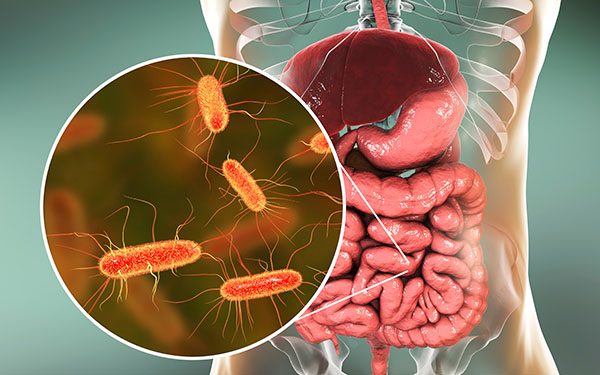
Diet drinks operate through a different pathway. Artificial sweeteners appear to alter the gut microbiome, disrupt satiety signals, intensify sweet cravings and may trigger insulin secretion despite containing no sugar. This microbiome disruption may explain why diet drinks showed a stronger association with liver disease and the only significant link to liver-related mortality.
How diet culture misled millions
The findings carry particular weight given the historical trajectory of dietary advice. When artificial sweeteners entered the mainstream in the 1980s and 1990s, they were marketed as a solution to the obesity epidemic. Diet sodas became a $40 billion global industry, endorsed by health organizations as a reasonable alternative for weight management.
This study represents a significant departure from that conventional wisdom. For decades, the public health message was simple: if regular soda is bad, diet versions are better. The research suggests this assumption may have been dangerously wrong, particularly as MASLD now affects an estimated 30% of adults worldwide, most of whom have no symptoms until significant liver damage has occurred.
The substitution trap: Why switching doesn't help
Researchers examined whether replacing one type of sweetened beverage with the other offered any protection. It did not. Substituting diet drinks for regular sodas or vice versa provided no risk reduction whatsoever.
However, replacing either beverage type with water significantly lowered risk—by 12.8% for sugary drinks and 15.2% for diet drinks. This finding suggests the problem is not simply sugar or artificial sweeteners, but the broader metabolic disruption caused by sweetened beverages of any kind.
What this means for your liver right now
MASLD rarely announces itself with early warning signs. Most people discover the condition only after years of quiet accumulation, elevated enzymes on a routine blood panel or fatigue that finally demands an explanation. The disease now affects an estimated 30% of adults worldwide and is a rapidly increasing cause of liver-related deaths.
The study’s lead author noted that the findings challenge the common perception that diet drinks are harmless, especially as MASLD emerges as a global health concern. The researchers emphasized that these findings support limiting both beverage types as part of a comprehensive prevention strategy.
The water solution
The study’s most actionable finding may be its simplest: Water substitution reduced MASLD risk by 12.8% for sugary drinks and 15.2% for diet drinks. For people who find plain water difficult to sustain, evidence suggests adding lemon or cucumber, which support liver-cleansing pathways without metabolic disruption.
The uncomfortable reality this research surfaces is that one of the most common health-minded substitutions people make may be accelerating the very disease they want to avoid. With MASLD affecting an estimated 30% of adults worldwide and often progressing silently for years, the choice of beverage carries consequences that extend far beyond calories. The safest approach, researchers concluded, is to limit both sugar-sweetened and artificially sweetened drinks. Water remains the best choice—it removes the metabolic burden, prevents fat accumulation in the liver and hydrates the body without risk.
Sources for this article include:








Please contact us for more information.