


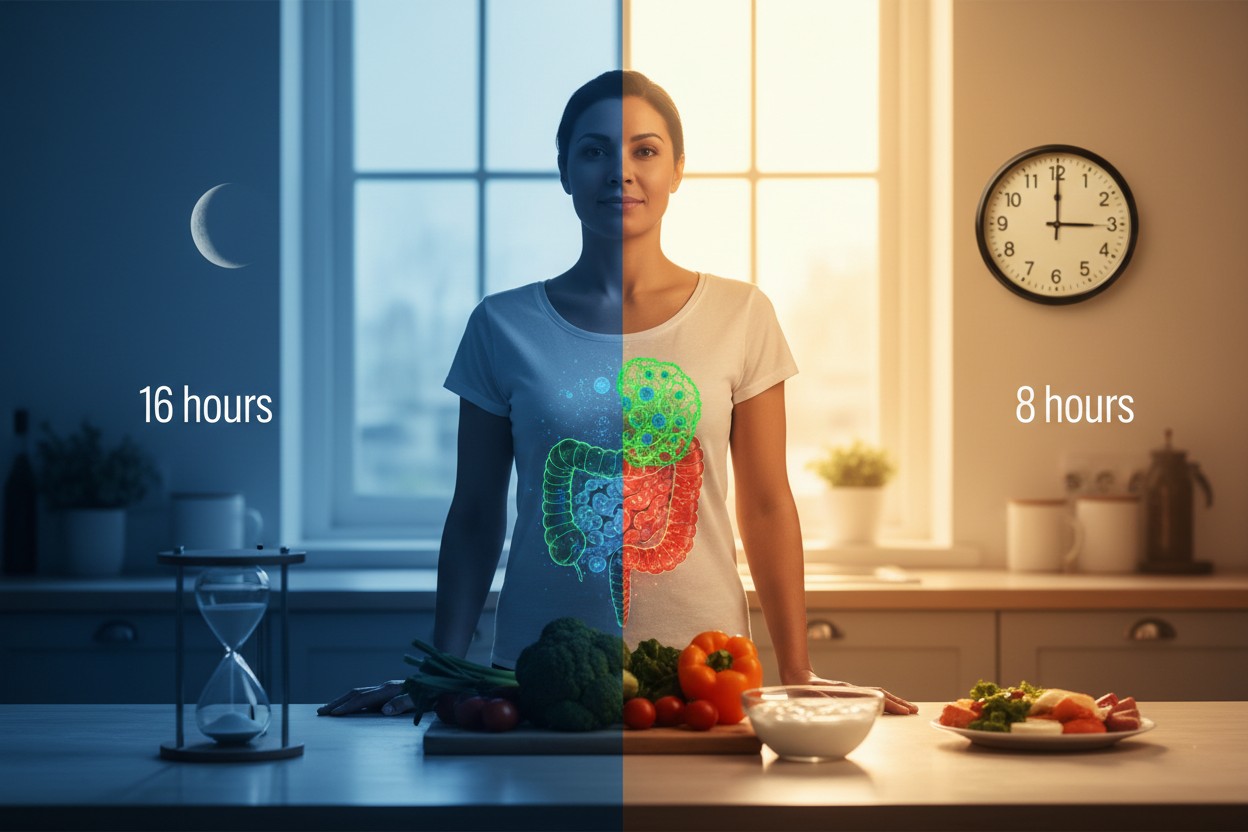
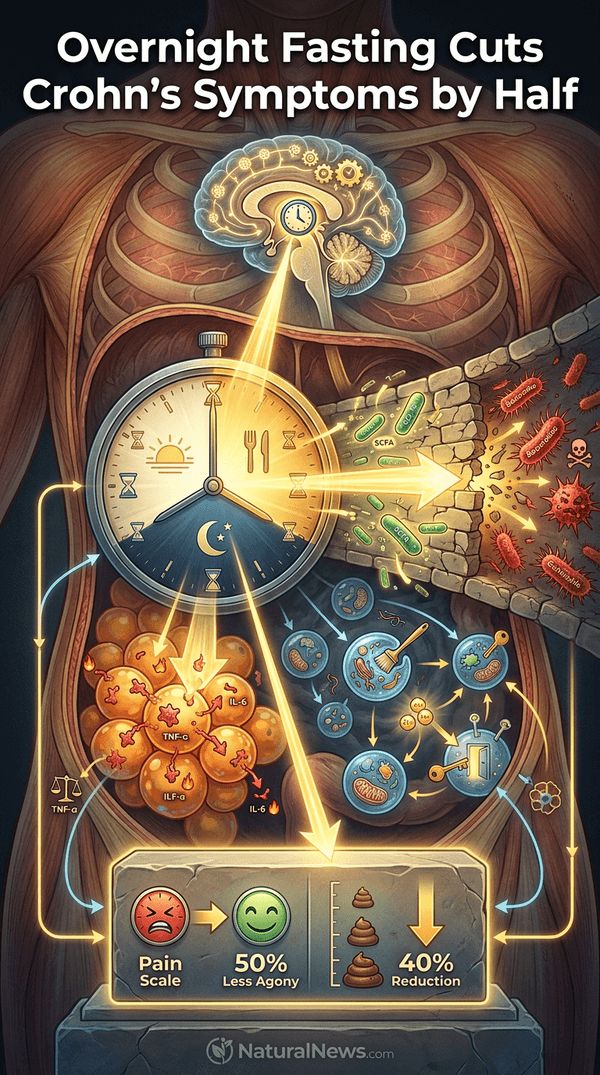
Time-restricted eating within an 8-hour window, with a 16-hour overnight fast six days a week, reduced abdominal pain by 50% and cut stool frequency by 40% in Crohn's disease patients with overweight or obesity.
These were the results of a randomized controlled trial published in Gastroenterology, which involved 35 Crohn's patients in remission. One group was assigned to the fasting regimen and the other to their usual eating patterns, researchers said. Up to 40% of Crohn's patients do not respond to the most advanced treatments available, and as many as half who do eventually stop responding, according to background information in the study.
Study Methods and Results
Researchers measured body mass index (BMI), collected stool and blood samples and assessed symptom severity using the Harvey-Bradshaw Index, a symptom-based questionnaire. The fasting group lost an average of one BMI point, considered clinically significant, and showed substantial reductions in visceral fat and systemic inflammation.
Both groups consumed similar calories and macronutrients throughout the trial, the study reported. "So we conclude that the benefits of the weight loss are not entirely related to energy restriction or energy reduction, but more related to circadian rhythms and the timing of when people were eating," gastroenterologist and senior study author Dr. Maitreyi Raman told the Epoch Times.
Circadian Rhythms and Metabolic Effects
Raman – also an associate professor of medicine at the University of Calgary in Canada's Alberta province – said the benefits are "more related to circadian rhythms and the timing of when people were eating." Time-restricted feeding can help reset the microbiome's natural rhythm, according to Dr. Will Cole, author of "Intuitive Fasting" [1]. Cole's book states: "Fasting can reduce the absorption of specific bacterial endotoxins, which have been linked to an increased risk for obesity and insulin resistance."
Registered dietitian Matthew Breit told the Epoch Times that fasting may improve insulin sensitivity, metabolic flexibility and immune modulation. Breit, a postdoctoral fellow at the University of Colorado Anschutz Medical Campus, was not involved in the study.
The fasting group also had lower levels of inflammatory adipokines such as leptin, plasminogen activator inhibitor-1 and adipsin, according to the study. Intermittent fasting has been described as a way to challenge mitochondria and promote healthy aging, as noted by Dr. Joseph Mercola in his discussion of the Plant Paradox [2].
Gut Microbiome and Visceral Fat
Fasting led to favorable shifts in the gut microbiome, including enrichment of short-chain fatty acid-producing bacteria often depleted in inflammatory bowel disease. Bacteria associated with flares, such as Bacteroides ovatus and Escherichia/Shigella, were less abundant in participants with greater weight loss.
High consumption of ultra-processed foods has been linked to increased risk of Crohn's disease, according to a narrative review in the journal Nutrients [3], suggesting that dietary timing and food quality both play roles in managing the condition. Raman said combining weight management with medications could "lead to a lasting durable remission response."
Implications and Future Directions
The findings suggest a simple dietary intervention may help manage Crohn's symptoms, even for normal-weight patients who may still have visceral fat, officials said. Breit noted energy intake was self-reported, so unmeasured calorie changes may contribute to some benefits.
Further research is needed to confirm long-term effects and applicability to broader patient populations, according to the study authors. Natural approaches such as herbal treatments have also shown promise in inducing or maintaining remission in Crohn's disease [4], offering additional options for patients seeking alternatives to conventional pharmaceuticals.
References
- Dr. Will Cole. "Intuitive Fasting".
- Mercola.com. "The Plant Paradox The Hidden Dangers in Hea". August 06, 2017.
- NaturalNews.com. "Study Links High Consumption of Ultra Processed Foods to Increased Crohn's Disease Risk". May 17, 2026.
- NaturalNews.com. "Proven herbal treatments for Crohn's disease". September 27, 2024.
Explainer Infographic












Please contact us for more information.