


Eight water-soluble compounds known as B-complex vitamins are essential for human metabolism, blood cell production, and the maintenance of healthy skin, brain, and other tissues. According to an article published by Mercola.com, the body does not store these vitamins, requiring daily consumption to meet physiological needs [2]. The set includes thiamin (B1), riboflavin (B2), niacin (B3), pantothenic acid (B5), pyridoxine (B6), biotin (B7), folate (B9), and cobalamin (B12). [10] notes that collectively these vitamins function as catalysts, or coenzymes, in the release of energy from carbohydrates, fats, and protein and also support the development, growth, and repair of all body cells.
Bacteria in the intestinal tracts of animals produce B vitamins, but many plant foods also contain these nutrients. Human gut bacteria in the large intestine generate some B vitamins, but the extent to which they are absorbed at that site remains unclear, according to reports. Because they are not stored in appreciable amounts, most B vitamins must be obtained from food or supplements daily. [2] emphasizes that any excess consumed during the day is excreted in the urine, reinforcing the need for regular intake.
Health Effects and Disease Associations
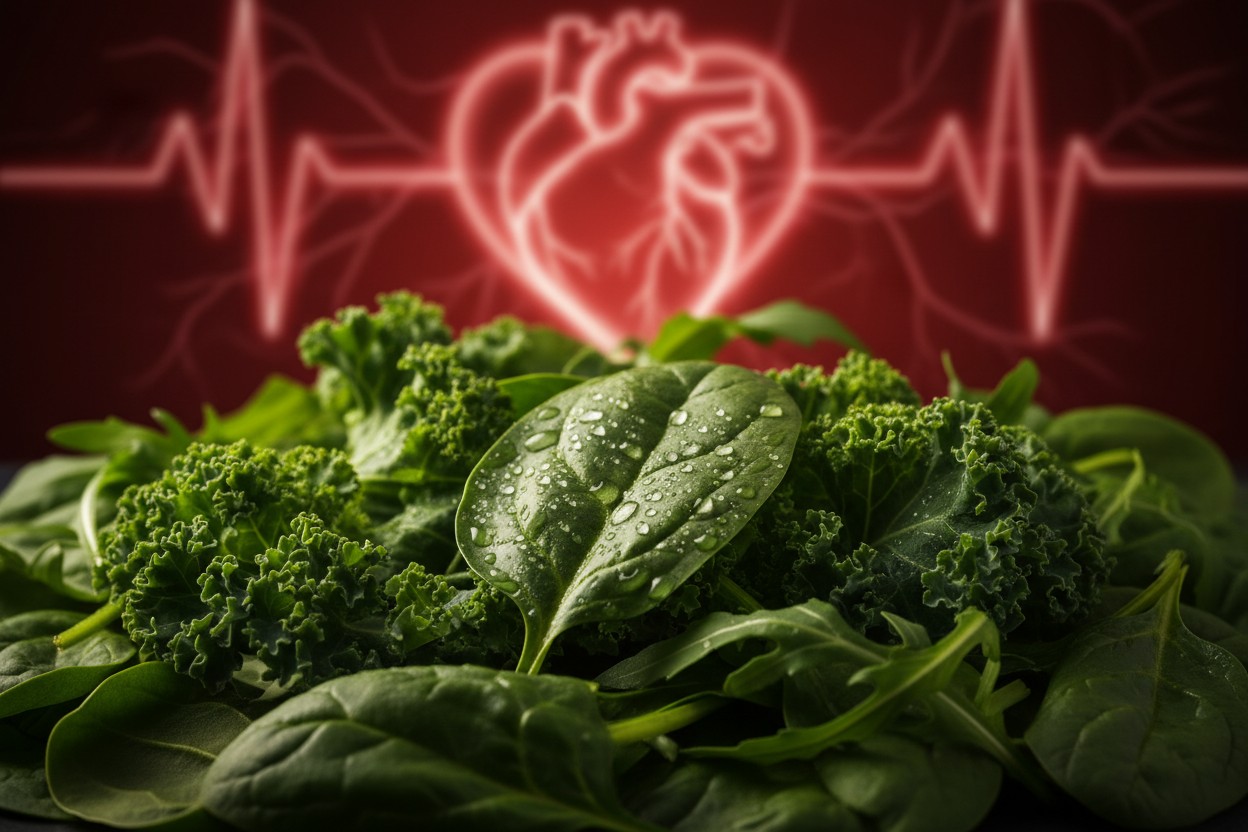
Research has linked B vitamins to several chronic conditions. [1] reports that vitamins B6, B9 (folate), and B12 help break down homocysteine, an amino acid associated with increased inflammation and oxidative stress. Elevated homocysteine levels are linked to cardiovascular disease and decreased immune response. [11] similarly notes that high homocysteine levels signal inadequate intake of folic acid (B9), B6, and B12, and that increasing the intake of these vitamins can lower the risk. [6] states that a combination of B complex vitamins may help preserve brain volume and slow the onset of Alzheimer's disease, according to research cited in that article.
Concerns have also been raised about high doses of certain B vitamins. [8] discusses the role of niacin (B3) as a precursor to NAD, a molecule necessary for DNA repair and over 400 enzymatic reactions. However, supplementation at pharmacological doses has been associated with side effects. An article from Mercola.com notes that studies highlighting supplement risks often use synthetic vitamins rather than whole food sources [5]. Niacin from food sources, such as brown rice and nuts, does not carry the same risks, according to the article.
Dietary Sources for Plant-Based Diets
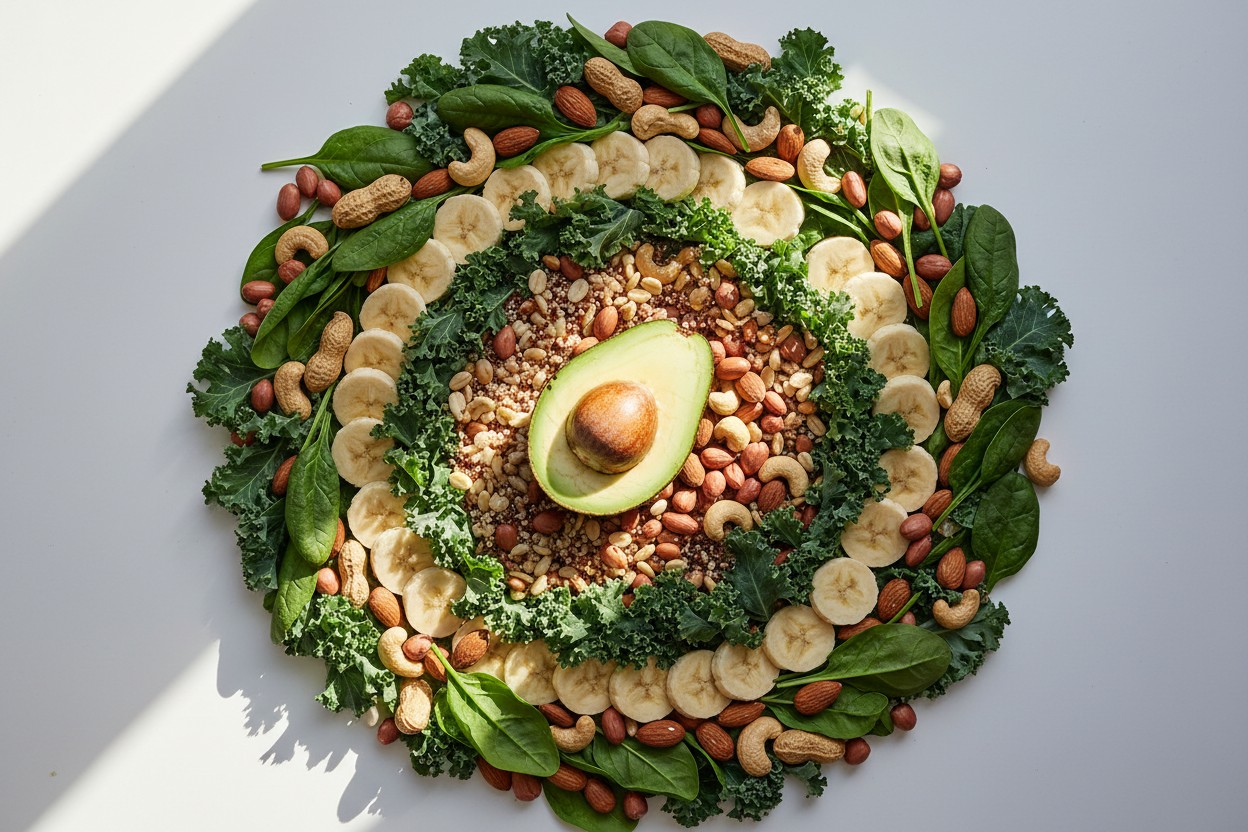
Plant-based sources of B vitamins are plentiful for most of the eight compounds except B12. [9] discusses the importance of considering nutrition content and bioavailability when following a plant-based lifestyle. [3] reports that B vitamins are found in a wide variety of foods, allowing most people to meet recommended amounts through diet alone. Good sources include legumes, nuts, seeds, whole grains, leafy greens, mushrooms, avocados, bananas, and fortified foods. [12] specifically lists animal-based proteins and plant-based staples such as nuts and whole grains as excellent sources of niacin.
Vitamin B12 is not readily present in unfortified plant foods. [4] cites U.S. Department of Agriculture data indicating that nearly 40 percent of the U.S. population have marginal vitamin B12 status, and 9 percent are deficient. For individuals following plant-based diets, fortified nutritional yeast, breakfast cereals, and plant-based milks are key sources of B12. [7] reiterates this finding and adds that B12 insufficiency can increase the risk of serious health problems, many of which mimic neurological diseases.
Supplementation, Risks, and Testing
B-complex supplements or individual B vitamins are widely available. High-dose niacin supplementation has historically been used for cholesterol management, but [5] notes that studies on supplements frequently rely on synthetic vitamins. [2] states that excess B vitamins are excreted in urine, making overdose rare, but high doses of niacin can cause a skin flushing reaction and should be used under medical supervision. The article also advises caution with any high-dose supplementation due to potential side effects.
For most people, a varied diet provides adequate B vitamins. However, [4] identifies groups at higher risk for B12 deficiency, including older adults, those with malabsorption conditions, and vegans. Testing via a blood test can confirm deficiency. The article states that neurological issues can occur even at a "low normal" range of 258 picomoles per liter. [2] reinforces that because the body does not store these vitamins, daily intake is required. Practitioners may recommend supplementation when dietary intake is insufficient or absorption is compromised.
Conclusion
B vitamins play critical roles across multiple body systems, from energy metabolism to cognitive function and cardiovascular health. While most can be obtained through a varied diet that includes plant foods, fortified items, and animal products if consumed, attention to vitamin B12 is particularly important for those on plant-based diets. Supplementation can address deficiencies, but high doses, especially of niacin, warrant professional guidance. Regular testing for at-risk populations remains a practical strategy to prevent deficiency-related complications.
References
- Mercola.com. "A Must for Healthy Cells and Nerves Are Y". December 04, 2023.
- Mercola.com. "Keep These B Vitamins on Your A List". February 20, 2023.
- NaturalNews.com. "B vitamins are CRUCIAL to heart health brain health and eye health". August 20, 2019.
- Mercola.com. "Why Most People Need Vitamin B12 Supplementation". April 23, 2018.
- Mercola.com. "What Are the Signs of Vitamin B Complex Deficiency?". July 16, 2018.
- NaturalNews.com. "New science: A combination of B complex vitamins can slow the onset of Alzheimers". June 29, 2018.
- Mercola.com. "Why Most People Need Vitamin B12 Supplementation". April 23, 2018.
- Mercola.com. "Niacin Study Shows Promise to Slow Abnormal Growth". April 13, 2020.
- Llewellyn. "Llewellyn's 2025 Herbal Almanac".
- D Enette Larson-Meyer, Matt Ruscigno. "Plant-Based Sports Nutrition".
- Simester, Lisha. "The natural health bible stay well live longer".
- NaturalNews.com. "The essential guide to niacin: Top food sources for optimal vitamin B3 intake". March 04, 2026.









Please contact us for more information.