


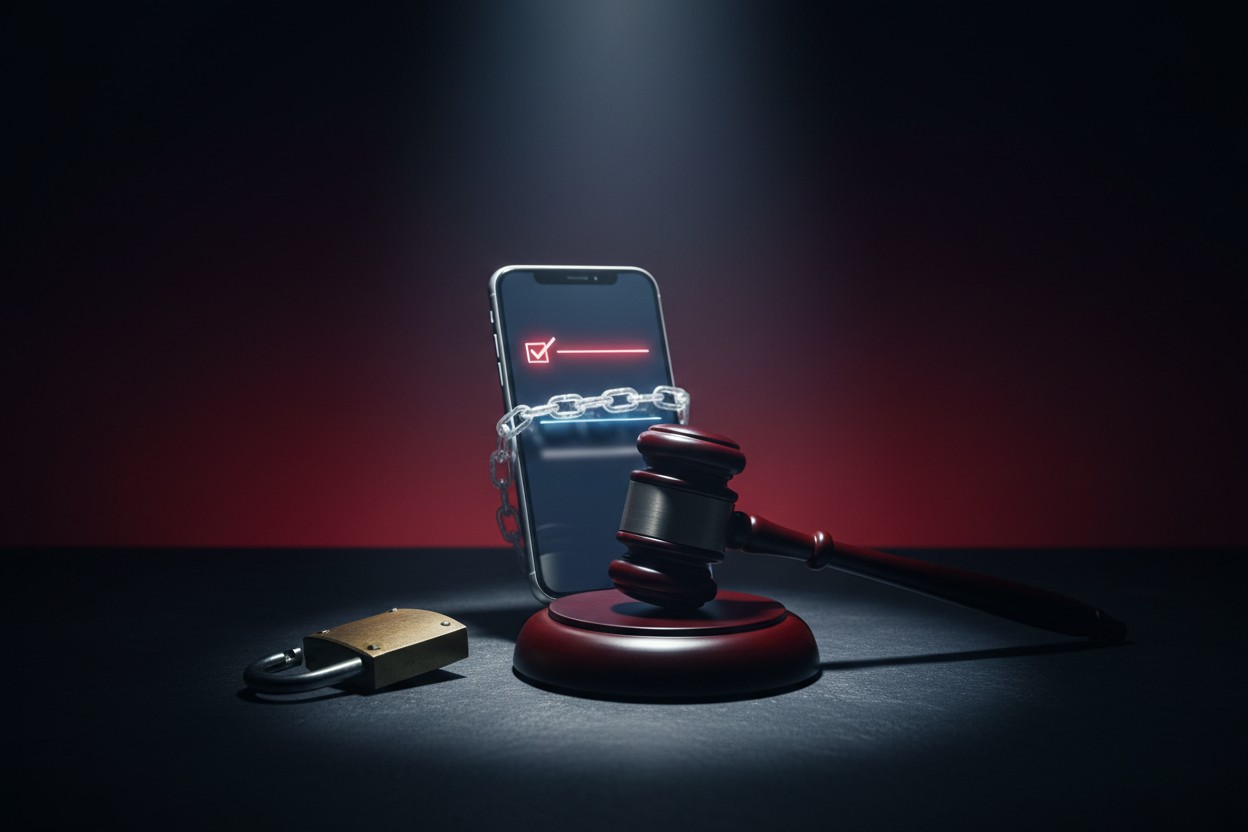
The U.S. Supreme Court declined on Monday, July 6, to block enforcement of the Texas App Store Accountability Act, according to two unsigned orders in SEAT v. Paxton and Computer and Communications Industry Association v. Paxton.
No justices dissented, and the court provided no explanation for its decision. The law requires app stores and developers to verify the age of mobile device users and obtain parental consent before minors can download apps or make purchases. [1]
The rulings are procedural and do not address the merits of the underlying First Amendment lawsuits. Enforcement of the law may proceed while litigation continues in lower courts. The cases may return to the Supreme Court after further proceedings, according to attorneys involved. [1]
Previous Supreme Decision on Age Verification
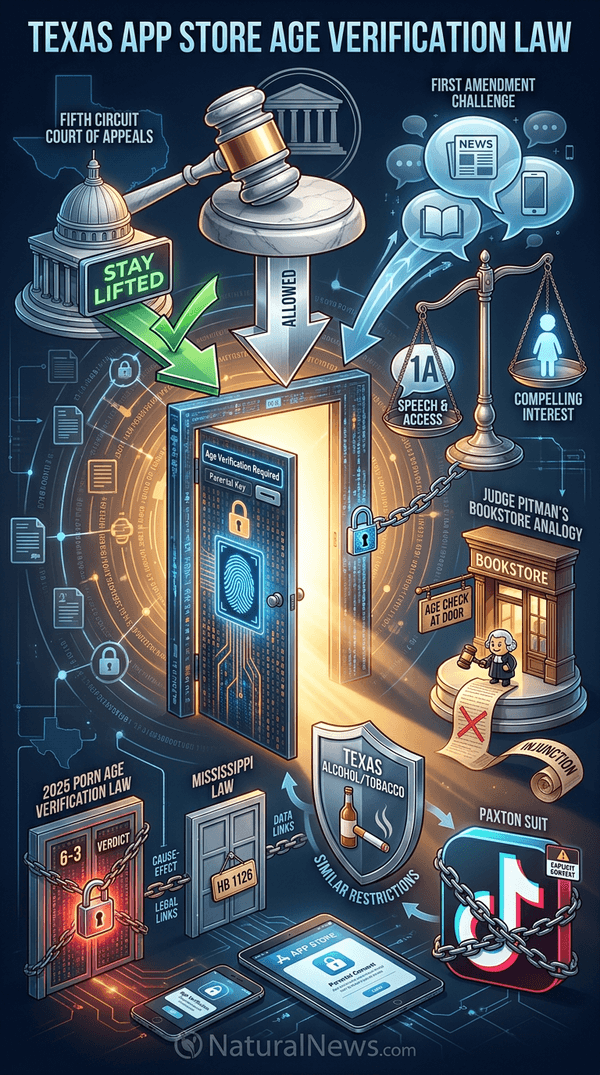
The court's action follows a 6-3 decision in 2025 that upheld a separate Texas law requiring age verification for access to pornographic websites. In that case, the majority ruled that while the law burdens adult speech, it is consistent with the First Amendment due to the state's compelling interest in protecting children. Justice Clarence Thomas wrote for the court, citing the authority to prevent minors from accessing sexually explicit content. [1]
A similar Mississippi law, HB 1126, was allowed to take effect by the Supreme Court in August 2025 despite Justice Brett Kavanaugh calling it "likely unconstitutional" in a dissent. That law also requires platforms to verify users' ages, restrict "harmful" content, and obtain parental consent for minors. [2] The Texas App Store Accountability Act extends the same principle to mobile app stores and developers.
Details of the App Store Accountability Act
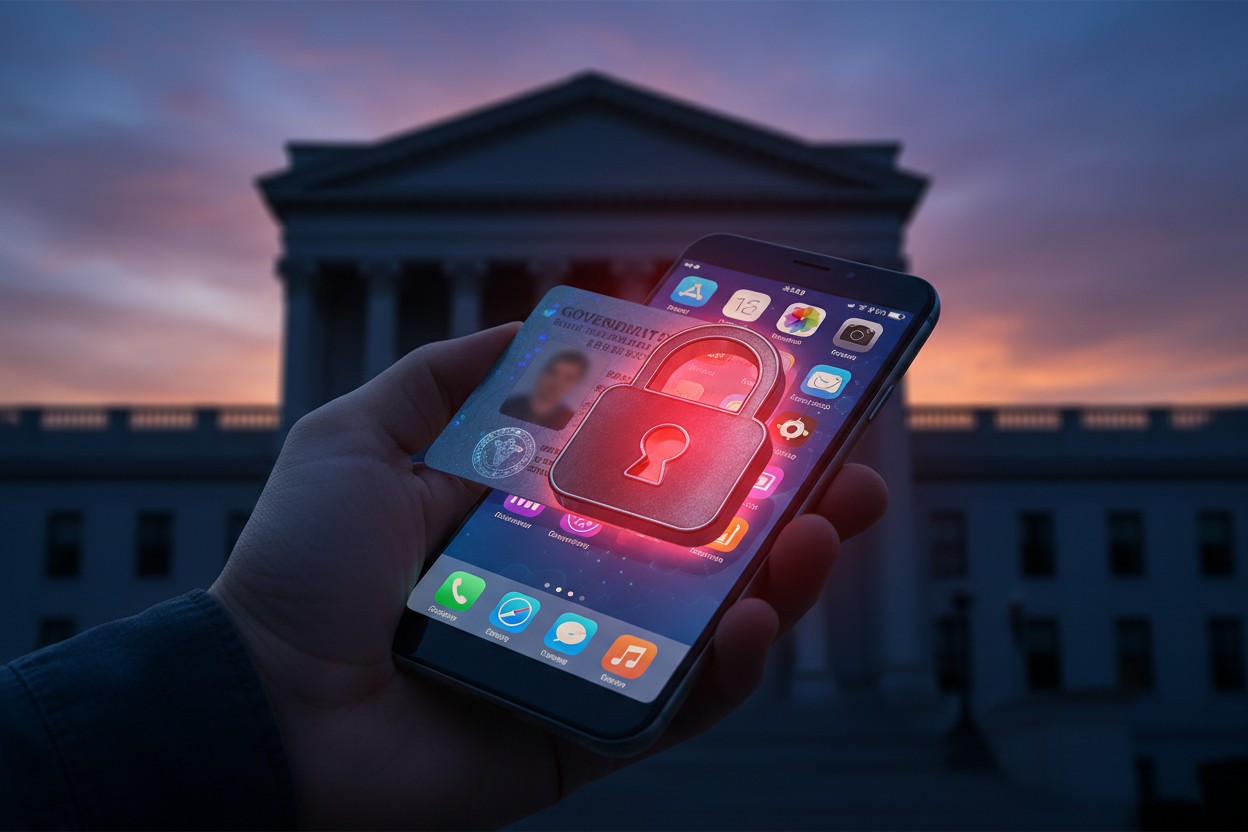
The statute mandates that accounts for individuals under the age of 18 be linked to an account belonging to their parent or guardian. A minor may download an app only after a parent or guardian provides consent, having received notice of the app's age rating. The law applies to both app store operators such as Apple and Google and to individual app developers who sell or distribute apps to Texas residents. [1]
Enforcement is currently permitted after the U.S. Court of Appeals for the Fifth Circuit stayed a district court injunction in June. The appeals court stated: "Texas has a substantial, if not compelling, interest in protecting children, and parents need to have the necessary information to make informed choices affecting their children's upbringing." [1]
Arguments From Tech Groups and Texas
Plaintiffs Students Engaged in Advancing Texas (SEAT) and the Computer and Communications Industry Association (CCIA) filed emergency applications arguing that the law violates First Amendment free speech rights. The CCIA stated in its application: "No State has ever required its citizens to prove their age before reading a newspaper, entering a bookstore or even accessing the internet." The Texas law "does exactly that – for every mobile app on every mobile phone." [1]
U.S. District Judge Robert Pitman had issued an injunction blocking the law, comparing it to "require every bookstore to verify the age of every customer at the door and, for minors, require parental consent before the child or teen could enter and again when they try to purchase a book." [1] Texas Attorney General Ken Paxton countered that "just as States have long protected minors from alcohol, cigarettes and other harmful products, [the Texas law] protects children against dangerous modern products." [1] Paxton has also sued TikTok for exposing minors to explicit content and misleading parents, citing national security risks due to Chinese ownership. [3]
Procedural Ruling and Next Steps
The Supreme Court's orders are procedural and do not address the merits of the lawsuits, meaning Texas may continue enforcing the App Store Accountability Act while litigation proceeds in lower courts. The cases are expected to continue before the Fifth Circuit and will likely return to the Supreme Court after further proceedings. [1]
The dispute exists within a broader national debate over age verification mandates and online free speech. Similar laws in other states, including Mississippi and Louisiana, have faced legal challenges. The U.S. government has also opposed certain online age verification mandates, such as the proposed social media ban for under-16s in the United Kingdom, citing concerns about disproportionate compliance burdens. [4]
References
- Matthew Vadum. "Supreme Court Declines to Block Texas App Store Age Verification Law". The Epoch Times. July 7, 2026.
- Willow Tohi. "Supreme Court Lets Mississippi Age Verification Law Take Effect Amid Privacy, Free Speech Fears". NaturalNews.com. August 17, 2025.
- Ava Grace. "Texas AG Ken Paxton sues TikTok for exploiting minors and endangering national security". NaturalNews.com. January 14, 2025.
- Reclaim The Net. "US Opposes UK Online ID Mandate as Nine States Expand Age Checks". June 11, 2026.
Explainer Infographic




Please contact us for more information.