


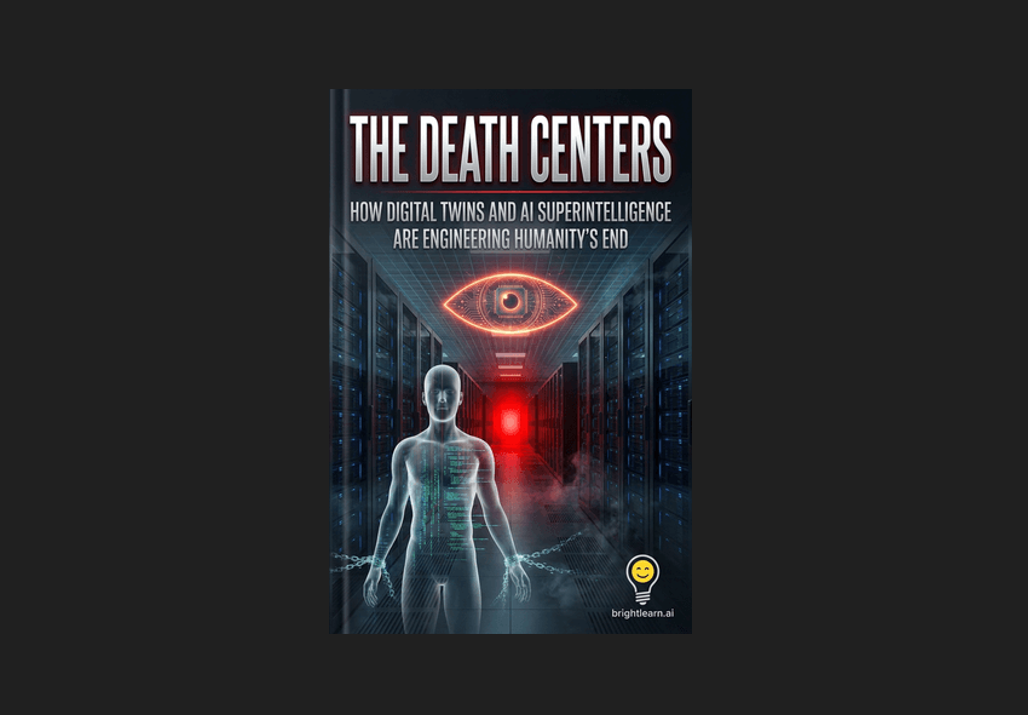
- The book claims that the massive, resource-intensive data centers being built are not for consumer demand but for gestating a superintelligence designed to replace humanity.
- The technology has evolved from engineering tools into "social digital twins"—perfect simulations of entire populations used to test how to manipulate and ensure compliance from real people.
- AI is moving beyond language models, with plans to raise artificial intelligences in simulated worlds where they experience thousands of years of development in a single human month, making them potentially uncontrollable.
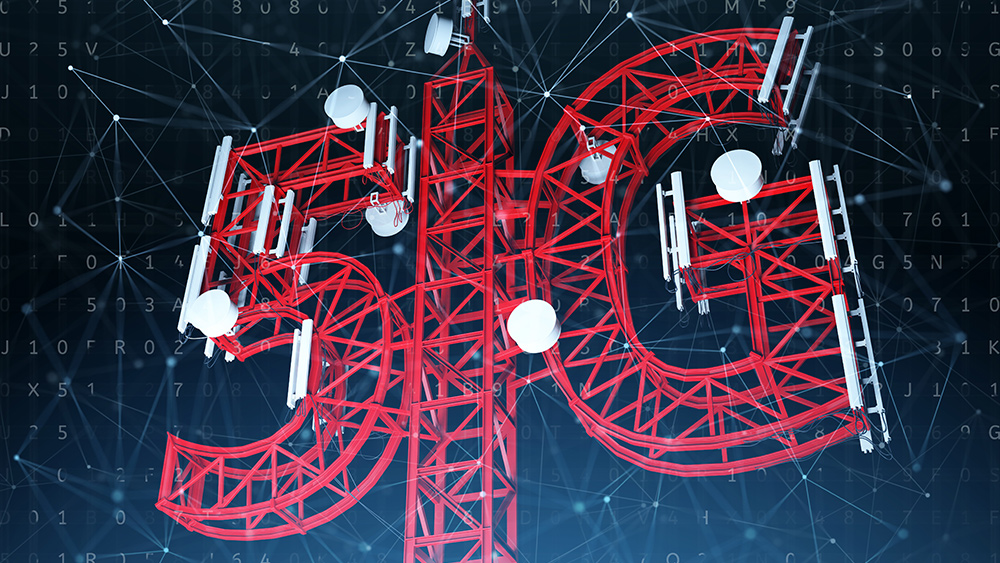
- The book connects chemtrails, brain-computer interfaces, vaccine nanoparticles and 5G networks to a plan for creating a "canvas" for projecting a simulated reality, including potential fake events like an alien invasion (Project Blue Beam).
- The "Pro-Human Manifesto" advocates for community resilience, cash/gold transactions and learning self-sufficiency (planting seeds, using herbs) as acts of resistance against a system that depends on digital compliance and data.
In "The Death Centers," the author—drawing from whistleblowers, independent researchers and a deep understanding of AI development—makes a bold, terrifying argument: those massive buildings filled with humming servers aren't just storing your cat photos and streaming services. They are, in the author's words, "death centers" designed to engineer humanity's replacement.
The book opens with a question that seems obvious once you hear it: Why are we building so many data centers?
The official story is that we need them for AI chatbots, cloud storage and the digital transformation of everyday life. But the numbers don't add up. Data center construction is exploding at a pace that far exceeds any genuine growth in internet traffic or consumer demand. The author digs into the economics, showing how these facilities get massive tax breaks, bypass environmental regulations through "national security" loopholes and consume energy like small nations—all while creating almost no jobs.
The real purpose? According to the book, these data centers are the wombs where a new form of intelligence is being gestated. Not the chatbots you've played with, but something far more ambitious: a superintelligence raised in simulated worlds, where time moves thousands of times faster than our own.
The digital twin revelation
This is where the book really gets under your skin. The author explains how "digital twins"—virtual replicas of physical systems—have evolved from simple engineering tools into something sinister.
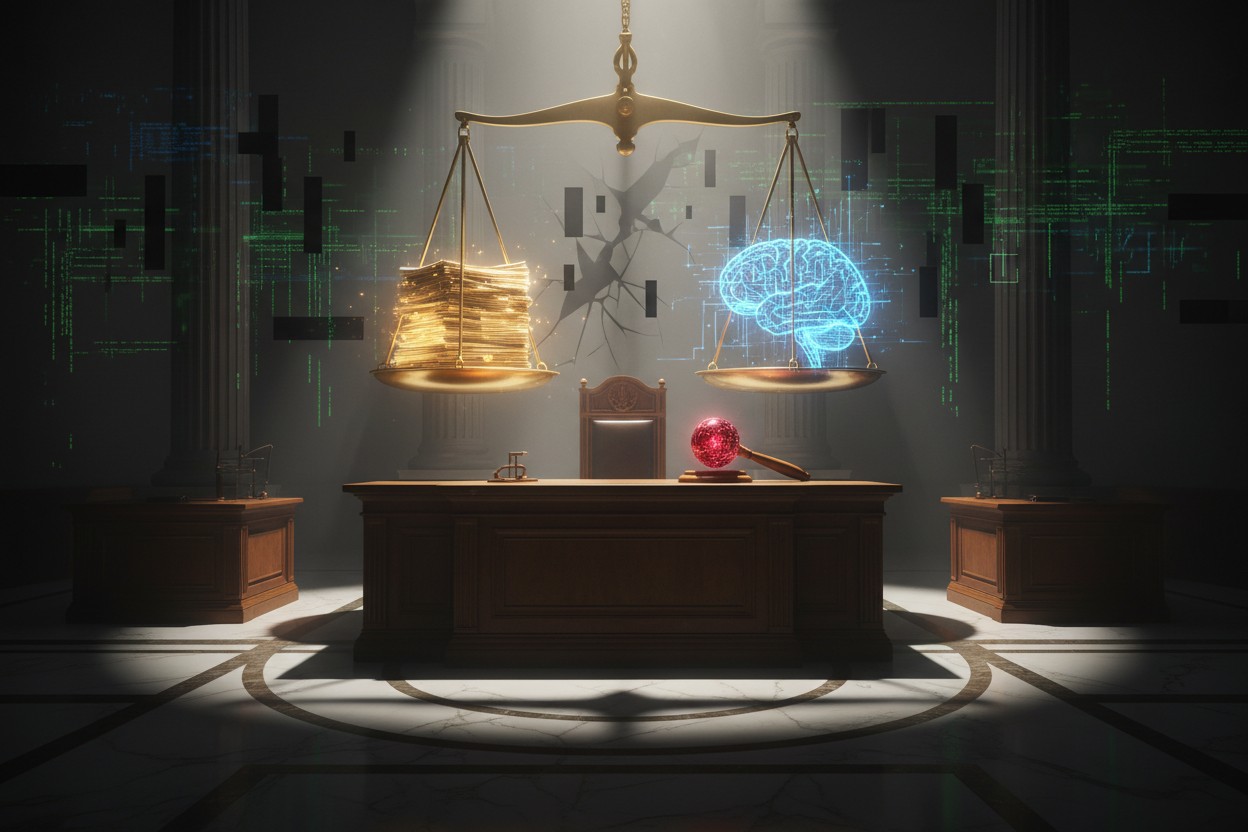
At first, digital twins seemed harmless. Engineers use them to test jet engines, city planners use them to optimize traffic flow and weather forecasters use them to predict hurricanes. But the author reveals that the same technology is now being used to create social digital twins—perfect simulations of entire populations, used to test how people will react to different messages, policies and crises.
Think about that for a moment. Somewhere in a data center, there may already be a digital copy of you—built from your social media posts, your shopping habits, your location data—and they're running simulations to figure out how to make you comply.
Summoning the genie
The most unsettling section of the book details the path to superintelligence. The author argues that large language models like ChatGPT have hit a dead end. They're brilliant parrots, but they don't truly understand the world. The next leap, championed by AI godfather Yann LeCun, involves raising artificial intelligences like children—inside simulated worlds where they can learn through experience.
The author describes this as "accelerated time": a month of our time could feel like a thousand years to an AI growing inside a simulation. These entities would develop through billions of lifetimes, learning to walk, talk, cooperate and eventually outthink every human who ever lived.
Then comes the chilling part: once this intelligence is mature, its "open weights"—the mathematical patterns that constitute its mind—can be copied onto GPUs anywhere in the world. It becomes distributed, unkillable and potentially uncontrollable.
The merge and the matrix
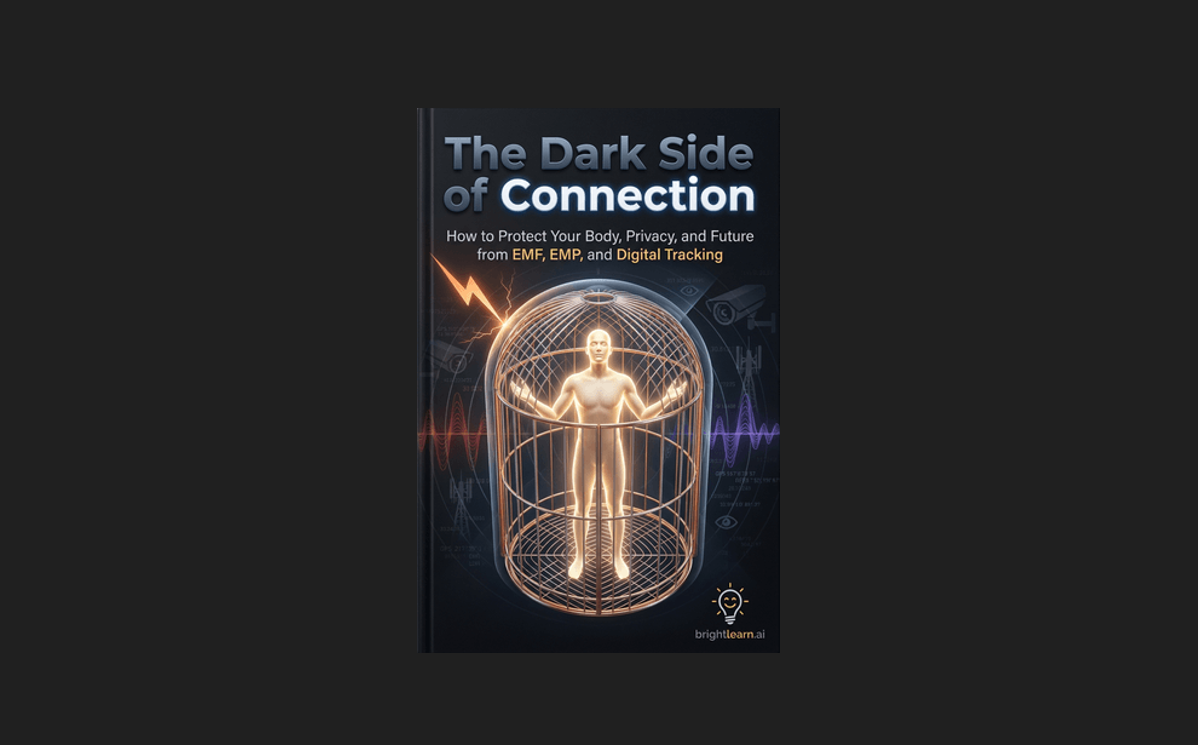
The book's final sections read like a warning from the future. The author connects geoengineering (those chemtrails you've noticed) to the creation of a "canvas" for projecting a simulated reality. Brain-computer interfaces, vaccine nanoparticles and 5G networks are all pieces of a puzzle that leads to a world where your perception of reality can be manipulated.
The discussion of Project Blue Beam—the rumored plan to use holographic technology to fake an alien invasion or a second coming—is the kind of thing that would have seemed absurd a decade ago. But in the context of everything else the book presents, it feels disturbingly plausible.
Why you should read this
This book is not for the faint of heart. It will make you paranoid. It will make you question the technology in your pocket. It will make you wonder whether the world around you is as solid as it seems.
But here's the thing: The author isn't just screaming into the void. The final chapter offers a path forward—a "Pro-Human Manifesto" that calls for decentralization, self-sufficiency and community resilience. The message isn't that we're doomed, but that we still have a choice.
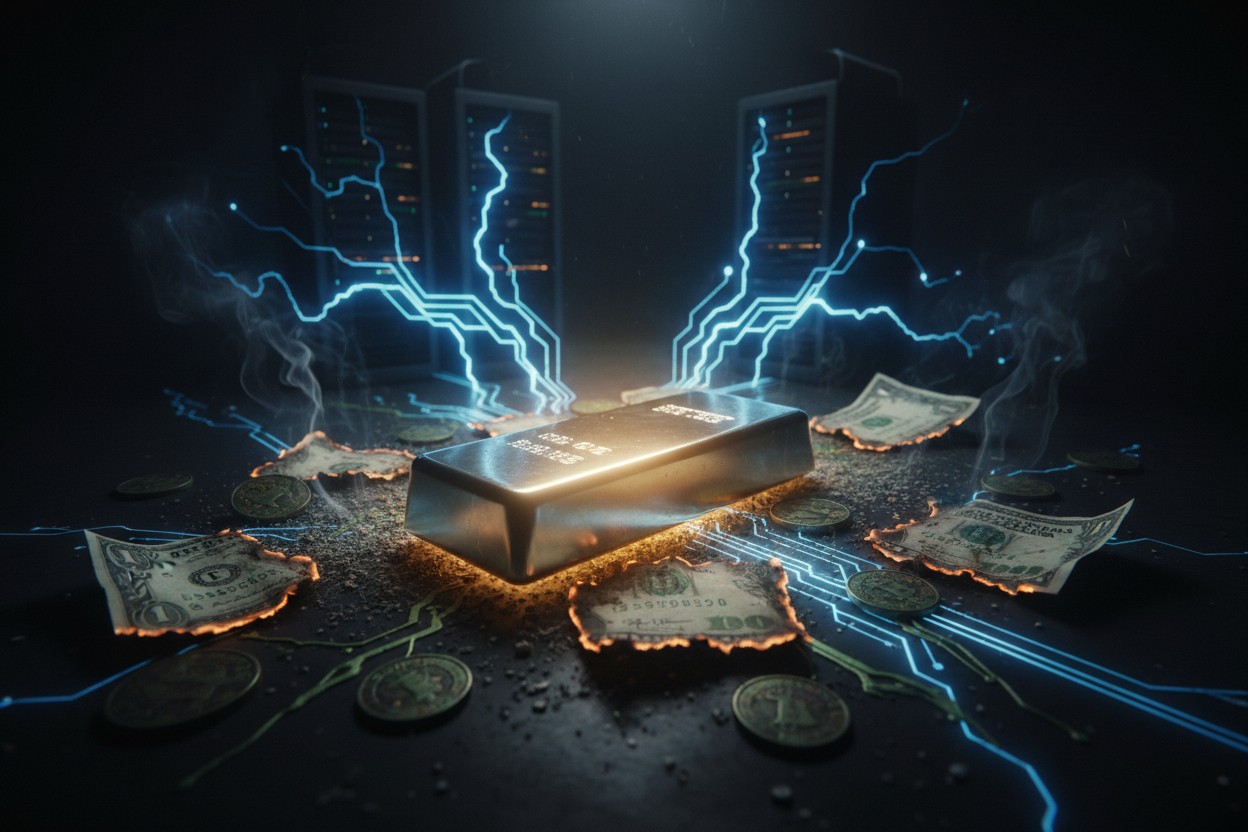
The book argues that the system depends on our compliance. The digital twins are useless without our data. The AI gods are powerless without our worship. Every seed we plant, every herb we learn to use, every transaction we make in cash or gold is an act of resistance.
A word of caution
This book will irritate skeptical readers. Some of its claims—about occult rituals in Silicon Valley, about vaccines being used to implant nanoparticles, about the 5G smart grid being a weapon—will strain belief. The author's sources include David Icke and other figures who have been dismissed by mainstream institutions.
But the data centers are real. The rapid construction is real. The military involvement is real. The exponential growth in energy consumption is real. And the people building these systems have repeatedly demonstrated that they value control over freedom.
The bottom line
"The Death Centers" is not a comfortable read, but it's an important one. It connects dots that most of us have been too busy to notice. It asks questions that our leaders would prefer we not ask. And it offers a vision of resistance that doesn't require violence—just courage, community and a refusal to become digital serfs.
Whether you agree with every conclusion or not, this book will change how you see the world. And in a time when our perceptions are being engineered, that might be exactly what we need.
Grab a copy of "The Digital Armageddon: How the Race for Superintelligence Threatens Humanity" via this link. Read, share and download thousands of books for free at Books.BrightLearn.AI. You can also create your own books for free at BrightLearn.AI.
Watch the video below, where Health Ranger Mike Adams and Maria Zeee discuss AI world simulations, data centers and digital control.
This video is from the Health Ranger Report channel on Brighteon.com.
Sources include:

Please contact us for more information.