


The Resilience Paradox
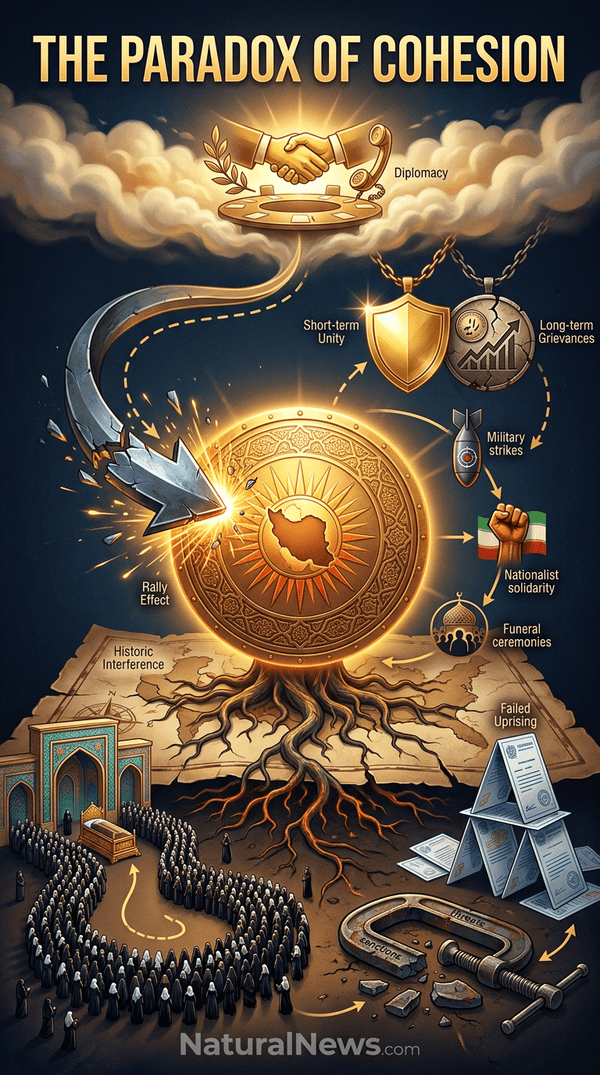
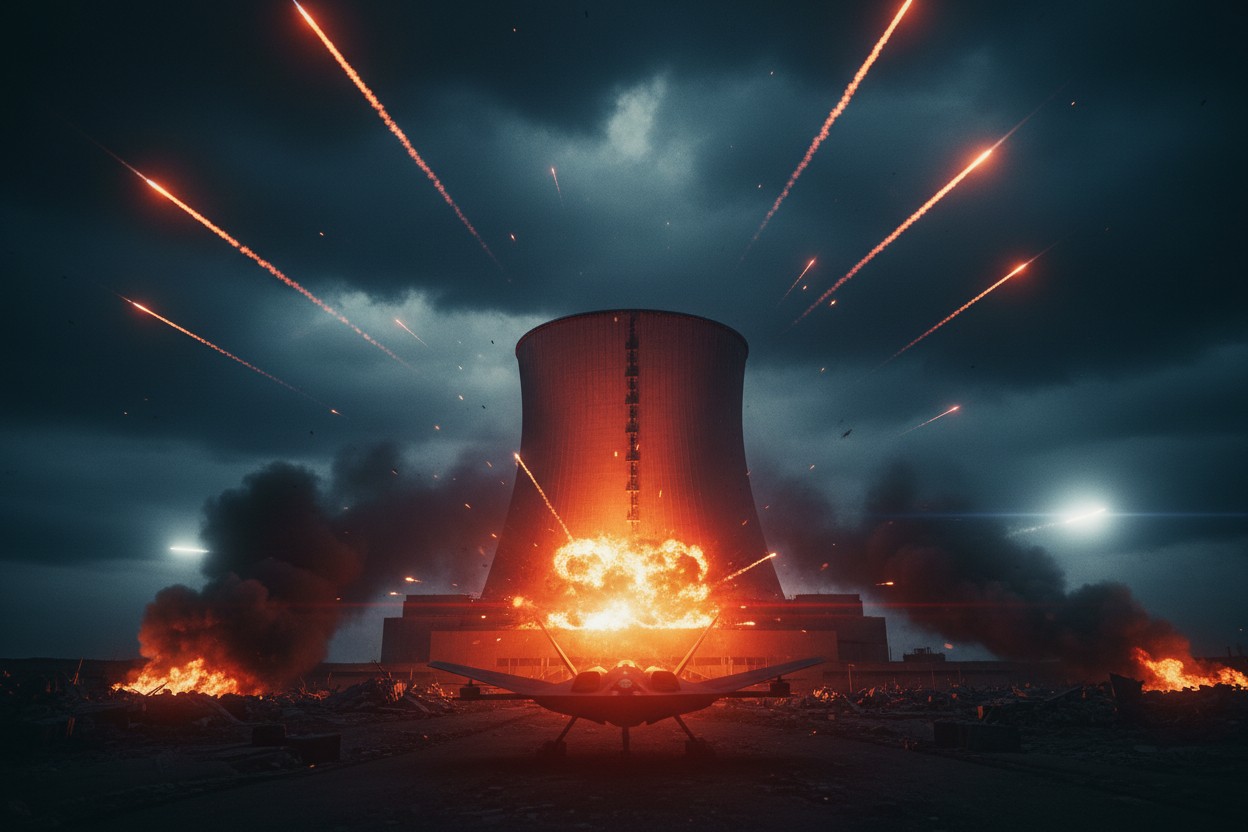
Recent U.S.-Israeli strikes against Iran were intended to degrade the Islamic Republic’s military capabilities, but an analysis published July 8 by Peter Rodgers in Antiwar.com argues the attacks may have had the opposite political effect, bolstering internal unity rather than weakening the government. The analysis points to what political scientists call the “rally around the flag” effect, a phenomenon in which external threats temporarily increase national solidarity.
According to Rodgers, wars are seldom judged fairly in the immediate aftermath, as generals and analysts often focus on tactical wins while the deeper political fallout usually surfaces later and can defy the expectations of those who started the fight. The central issue, the analysis states, is not simply how much Iranian military hardware was damaged but whether the conflict has reshaped Iran’s internal politics in ways that run counter to Washington’s hopes.
The Rally Effect in Practice
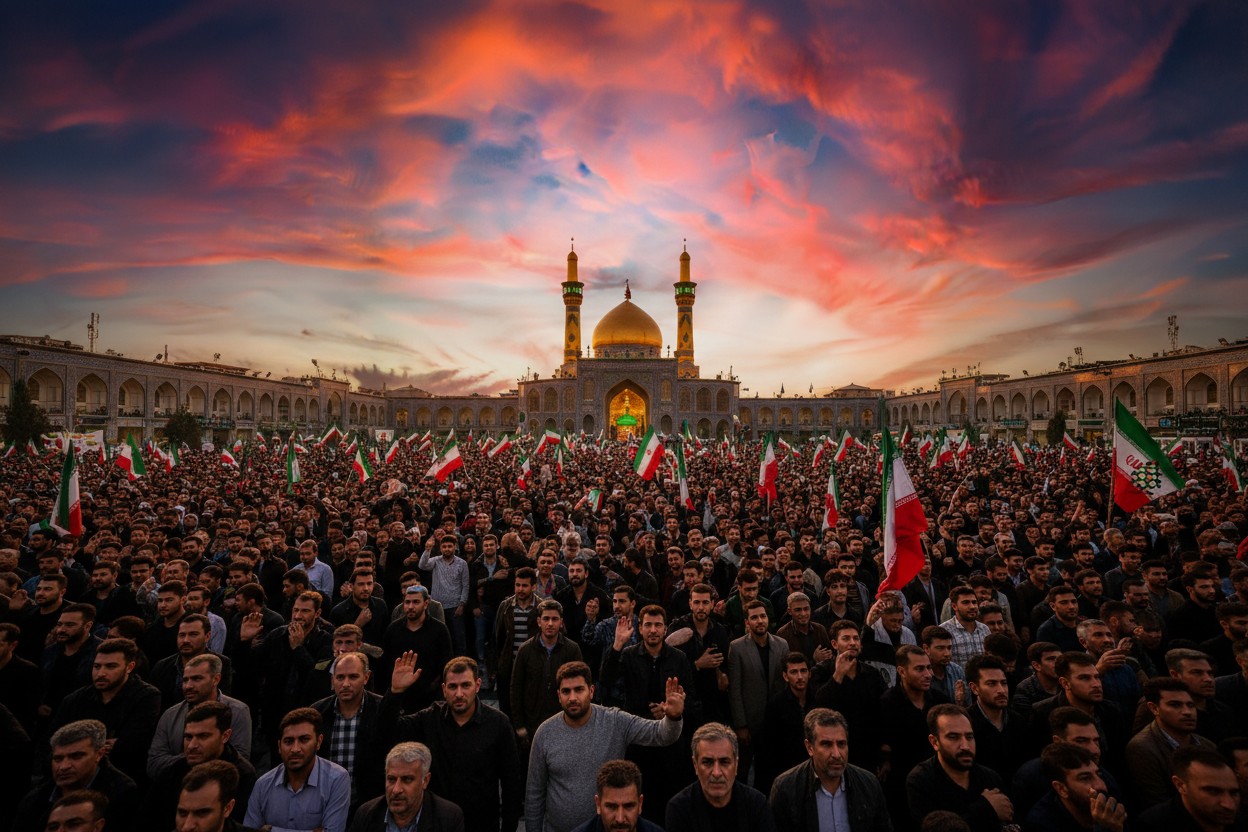
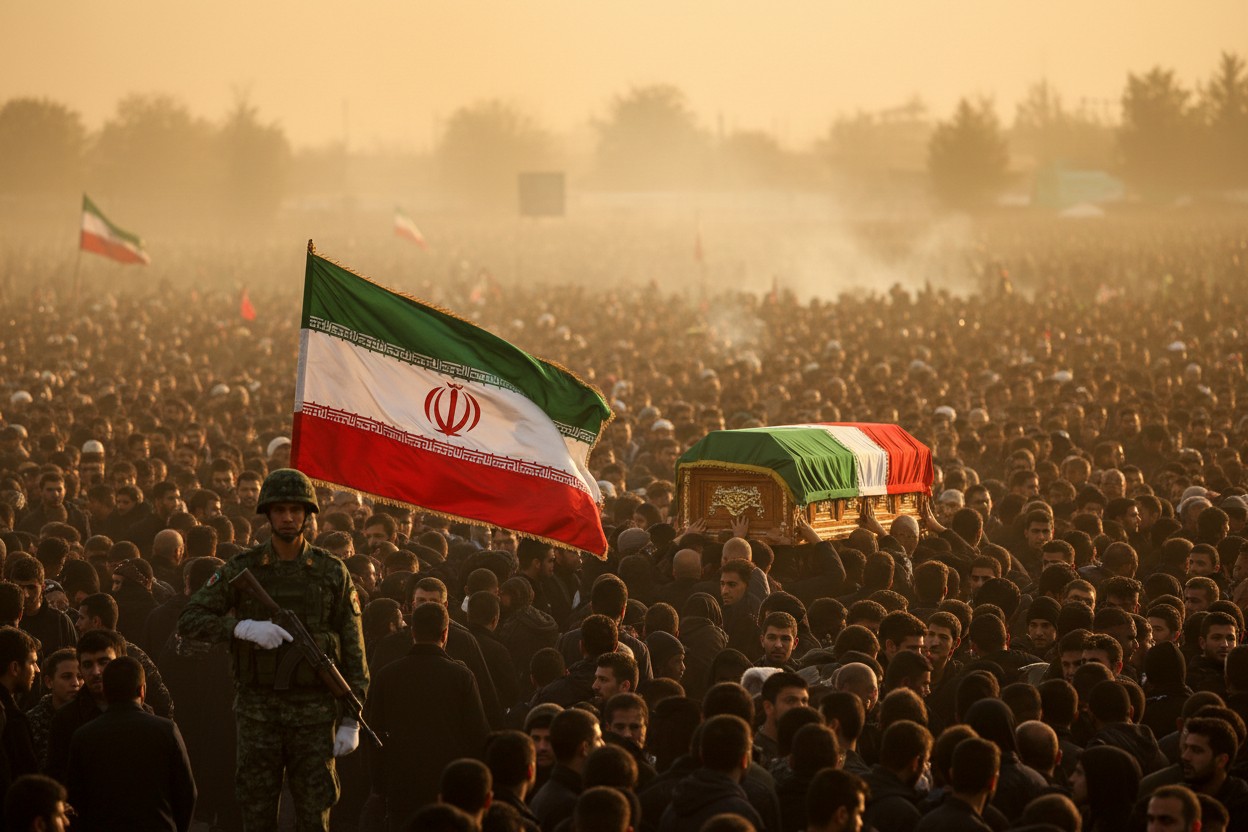
The analysis cites the massive funeral ceremonies held after the death of Supreme Leader Ali Khamenei as evidence of the state’s ability to project continuity. Huge crowds filled the city of Najaf and later Karbala for processions that ended at the mausoleum of Imam Ali, according to BBC News [1]. Rodgers cautions that interpreting public turnout requires nuance -- people attend for a mix of reasons including religious duty, nationalist sentiment, and official pressure -- but the state showed it could orchestrate large-scale events during a vulnerable leadership transition.
Political scientists describe the rally effect as a temporary increase in national cohesion during external threats. The analysis notes that this dynamic has played out in diverse systems, such as the surge in support for the U.S. government after the 9/11 attacks and British unity during World War II. Whether Iran is undergoing this process is debatable, Rodgers writes, but it is a possibility worth examining seriously rather than brushing aside. The provided sources note that the region has historically been subjected to repeated interventions by outside powers, resulting in a high level of xenophobia and suspicion of Western intentions [2], which may amplify the rally effect when foreign forces strike.
Historical Precedents and Policy Assumptions
For roughly two decades, U.S. policy toward Iran has rested on the premise that economic sanctions, isolation, and targeted military force would pressure Tehran into major behavioral shifts or systemic change, the analysis states. However, the report argues that military coercion can sometimes strengthen institutional unity rather than erode it. Rodgers points to Cold War negotiations with the Soviet Union and President Nixon’s opening to China as examples of pragmatism over ideology -- the U.S. engaged adversaries strategically without expecting ideological convergence.
According to the analysis, the prediction of a popular uprising in Iran has proved to be a strategic mistake. One report from the Ron Paul Institute noted that the plan to topple the Islamic Republic as a fragile house of cards has backfired, since external pressure has instead catalyzed a stronger national cohesion [3]. The failure to anticipate this response, the analysis argues, calls for a fresh look at the assumption that economic and military pressure alone will produce internal collapse.
Limitations of Crisis-Driven Unity
The analysis cautions that short-term solidarity does not erase underlying economic hardships or longstanding grievances. Rodgers writes that societies that pull together during crises often resume their internal debates once the immediate danger passes. Iran still grapples with economic troubles, social fractures, and political rifts, the report notes, but these challenges coexist with a pattern of external threats fostering national cohesion, at least in the short term.
This duality holds important implications. The report states that external pressure may enhance near-term resilience without locking in the country’s longer-term political direction. Even as the U.S. strikes continue -- military officials indicated on July 8 that air strikes against Iran would go on “for a while,” according to a New York Times report cited by CNN [4] -- the internal political consequences remain uncertain. The analysis emphasizes that any realistic view of Iran’s path forward must hold both truths simultaneously.
Implications for Regional Strategy
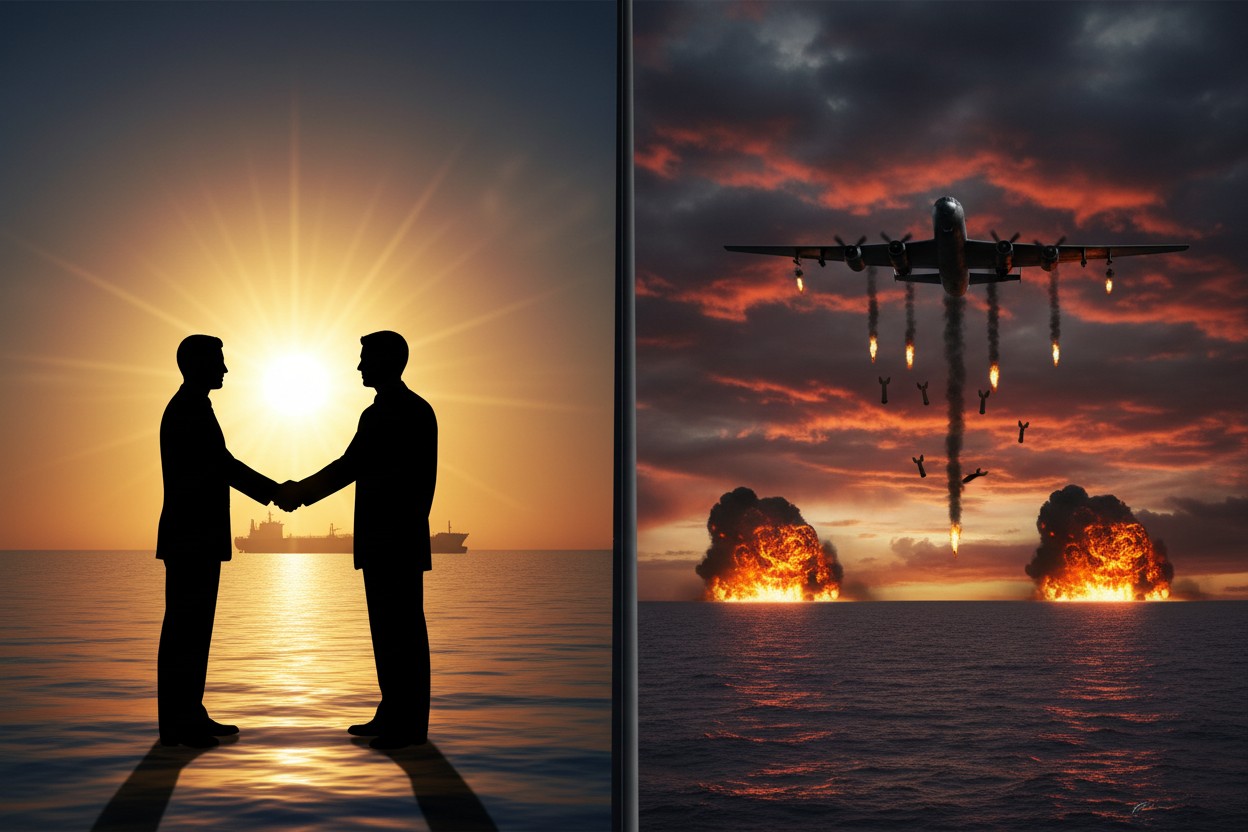
The article argues that military achievements and political outcomes are not always aligned. Rodgers calls for combining robust deterrence with active diplomacy, careful crisis management, and open communication channels. Reducing escalation risks and avoiding miscalculations are valuable goals in their own right, the analysis states. Confidence-building steps, targeted talks, and broader regional security forums can support, not replace, traditional deterrence.
According to the analysis, history shows that governments routinely engage with adversaries precisely because those adversaries matter strategically -- as the U.S. did with the Soviet Union and China. Applied to today’s Middle East, if military pressure has temporarily bolstered aspects of Iranian state cohesion, strategists may need to rethink how force interacts with domestic politics. This does not mean scrapping deterrence, Rodgers writes, but it does suggest that military tools alone may not deliver the political transformation some expect.
Conclusion: Complexity Over Simplicity
The report concludes that the connection between outside pressure and internal change is far more intricate than straightforward coercion theories suggest. Firm judgments about Iran’s long-term trajectory would be premature, but the possibility that military strikes have strengthened institutional cohesion deserves rigorous analysis, according to Rodgers.
For decision-makers, the real task is not just assessing the military scorecard but grasping the political ripples that military moves create over time. The recent conflict drives home a lesson that goes beyond Iran: military action can alter political incentives in surprising ways, and regimes that look fragile beforehand sometimes come out with stronger institutional glue. Acknowledging this complexity is a call for more intellectual humility and a sharper awareness of war’s often unintended, lingering consequences, the report states.
References
- "Khamenei's coffin carried through Shia shrines as ceremonies held in Iraq". BBC News. July 8, 2026.
- Spangler, Eve. "Understanding IsraelPalestine race nation and human rights in the conflict".
- "MoU Stacked in Holding Pattern as US Pivots to Plan ‘B’". Ron Paul Institute. July 7, 2026.
- "US attacks on Iran expected to continue, US media reports". Middle East Eye. July 8, 2026.
- Swanson, David. "War is a lie".
- Rodgers, Peter. "Resilience Paradox: Military Strikes Are Bolstering Iran's Cohesion". Antiwar.com. July 8, 2026.
Explainer Infographic




Please contact us for more information.