


- Mushroom coffee blends (e.g., reishi, lion's mane) offer half the caffeine of regular coffee while providing adaptogenic benefits for stress, focus and immunity.
- Caffeine-free alternatives like chicory root, golden milk latte, rooibos tea and matcha provide distinct health perks (e.g., digestive support, anti-inflammatory effects, calm alertness).
- Yerba mate delivers caffeine (~80 mg/cup) with theobromine for a smoother energy lift without the crash.
- Chai tea offers a low-caffeine option (~21 mg/cup) with spices that aid digestion and immune support.
- The shift toward mushroom and herbal coffee alternatives reflects a broader trend: Morning drinks now serve as functional tools for stress management, immunity and sustained energy.
For decades, coffee has reigned as the world's morning stimulant of choice. Its caffeine jolt, rich aroma and deep flavor have anchored countless daily routines. But a segment of the population is increasingly seeking alternatives that offer sustained energy without the crash, or that provide additional health benefits beyond simple alertness.
Among the most intriguing and fastest-growing options is mushroom coffee, a beverage that combines ground coffee beans with dried, powdered functional mushrooms. But for those who wish to avoid caffeine entirely, some herbal drinks offer a compelling, nutrient-dense substitute.
Mushroom coffee offers half the caffeine but more benefits
Functional mushrooms such as reishi, lion's mane, chaga and cordyceps have been used for centuries in traditional Eastern medicine to support immune function, cognition and stress resilience. What is new is their commercialization into convenient, palatable formats designed for Western consumers who want the health benefits without the earthy, often bitter taste that raw mushrooms can impart. Mushroom powder blends that combine different functional mushrooms now make it possible to brew a café-quality mushroom coffee at home using simple ingredients: organic coffee, natural sweeteners (e.g., monk fruit extract) and your choice of nut milk.
For those looking to reduce their caffeine intake, mushroom coffee offers a middle ground. Many commercial blends use a 1:1 ratio of ground coffee to mushroom powder, resulting in a beverage with roughly half the caffeine of a standard cup, depending on the brand and brewing method. The mushrooms themselves, particularly lion's mane and cordyceps, are classified as adaptogens--natural compounds that help the body regulate stress and maintain equilibrium. Research suggests these fungi can support brain health, sharpen focus and modulate the immune system, making them a functional upgrade to a routine cup of joe.
Caffeine-free alternatives to consider
For those who want to eliminate it completely, a variety of options exist, each with its own distinct flavor profile and health benefits:
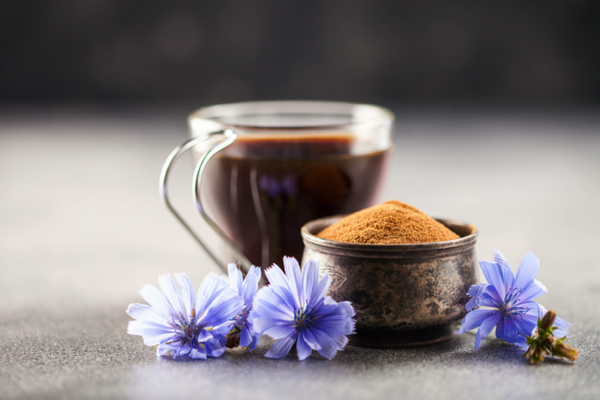
- Chicory coffee - Made from roasted chicory root, this beverage has a similar bitterness to coffee but without any stimulant effect. It is naturally caffeine-free and rich in inulin, a prebiotic fiber that supports digestive health.
- Golden milk latte - Made from a blend of turmeric, cinnamon, ginger and black pepper with warm milk, this drink is celebrated for its anti-inflammatory properties, thanks to curcumin—the active compound in turmeric—whose absorption is dramatically enhanced when paired with black pepper.
- Rooibos tea - A South African herbal infusion, this caffeine-free alternative contains antioxidants such as aspalathin, which can support heart health.
- Matcha - A powdered green tea, this healthy drink contains L-theanine, an amino acid that promotes calm alertness and mitigates the jittery effects often associated with coffee.
Another popular coffee alternative worth mentioning is yerba mate, a traditional South American brew. Though not caffeine-free--it delivers roughly 80 milligrams (mg) of caffeine per cup similar to coffee--yerba mate contains theobromine, a compound that may provide a smoother energy lift without the crash. According to BrightU.AI's Enoch engine, yerba mate also offers health benefits such as improved metabolism, neuroprotection, cardiovascular support, blood cleansing, reduced inflammation, blood glucose regulation and anti-aging effects due to its rich antioxidant content.
Chai tea is also another excellent option. One cup of chai tea prepared with milk contains roughly 21 mg of caffeine, compared to about 90 mg in a standard cup of black coffee. The warming spices in chai—cinnamon, cardamom, ginger and cloves—have also been linked to improved digestion and immune support.
The rise of mushroom-based and herbal coffee alternatives represents a broader shift in how Americans think about their morning beverages. No longer merely a vehicle for caffeine, the morning drink is becoming a functional tool for managing stress, supporting immunity and sustaining energy throughout the day. What began as a niche health trend has evolved into a mainstream category, driven by consumer demand for drinks that do more than just wake them up—they must also nourish, protect and adapt to the body's needs.
Watch this video to learn about another caffeine-free coffee alternative you can consider for a healthy energy boost.
This video is from the Health Ranger Store channel on Brighteon.com.
Sources include:








Please contact us for more information.