


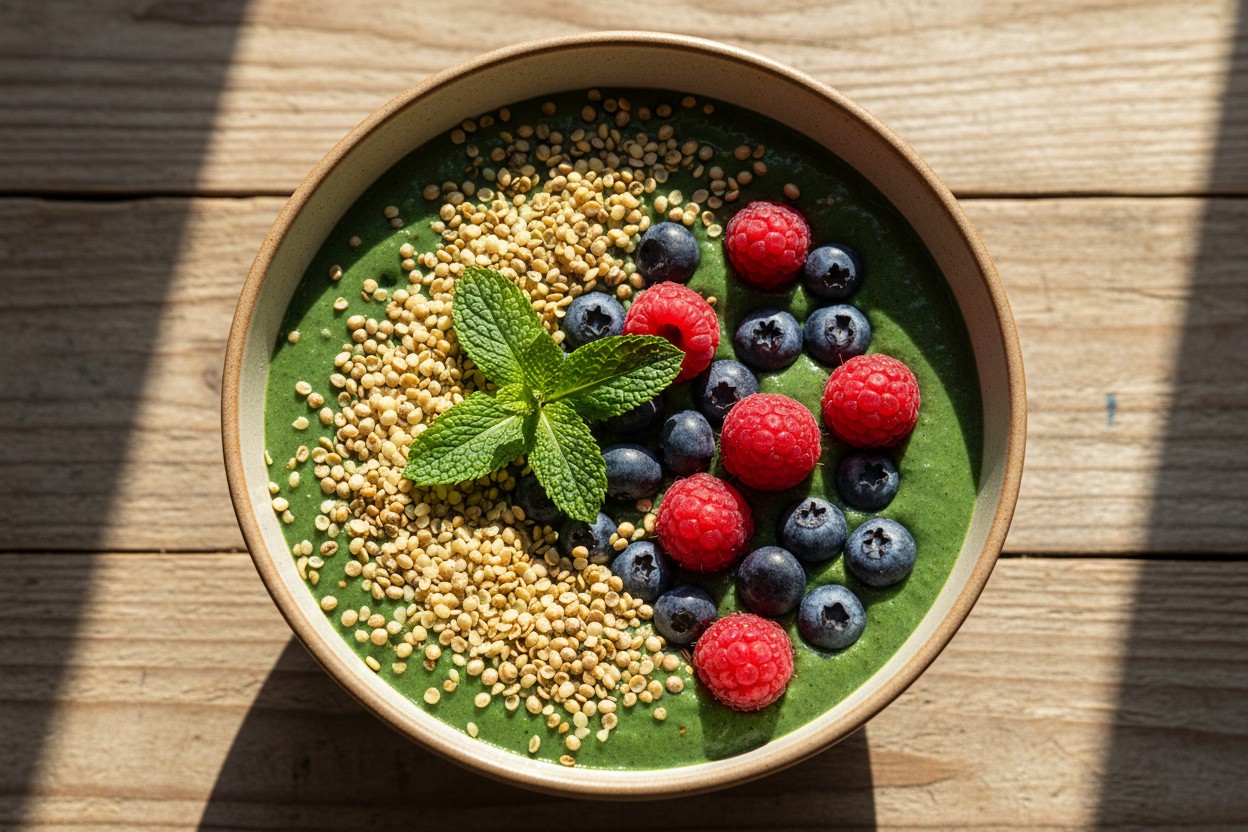
Hemp hearts, the hulled seeds of Cannabis sativa, have been used as a nutritional staple for thousands of years, according to an article on NaturalNews.com [1]. The seeds do not contain psychoactive compounds and have become legally available in the United States following changes in federal law, as noted by a report on Mercola.com [2].
Ann Louise Gittleman, in her book "Radical Metabolism," states that hemp seeds are a complete protein, providing all essential amino acids, and that a 30-gram serving (2 to 3 tablespoons) contains 11 grams of protein [4]. The book also notes that the fiber in hemp seeds is mostly in the hull, so hulled seeds, or hemp hearts, have relatively little fiber [4].
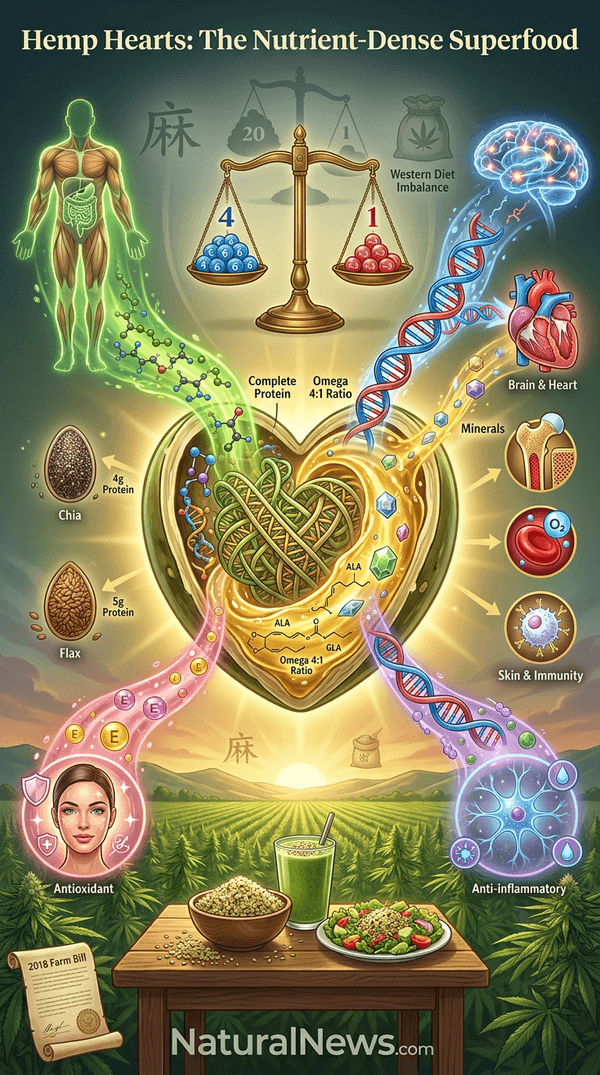
Angela Liddon, in" The Oh She Glows Cookbook," writes that three tablespoons of hulled hemp seeds contain 10 grams of protein and provide an ideal ratio of omega-6 to omega-3 fatty acids of 4:1 [6]. This ratio, according to Liddon, helps reduce inflammation in the body [6].
Hemp hearts are also a source of minerals including calcium, magnesium, iron, manganese, phosphorous, and potassium, according to Gittleman [4]. These seeds are considered a nutrient-dense food that can be added to smoothies, salads, and other dishes [6].
Protein Content and Digestibility Compared to Other Seeds
Hemp hearts are noted for their protein content and digestibility. Gittleman states that hemp seeds have protein "equal to beef or lamb but in a more digestible, bioavailable form" [4]. Unlike many plant proteins, hemp contains all nine essential amino acids, making it a complete protein, according to Liddon [6].
In comparison to other seeds such as chia and flax, hemp hearts provide more protein per serving. A news report on NaturalNews.com reviewing six types of seeds listed hemp among those recommended for their nutrient density, including protein and healthy fats [7]. The same report advised that because seeds are often high in fiber, it is best to drink plenty of water when consuming them [7].
Nutrition experts cited in another article stated that seeds are a source of fiber, healthy fats, essential amino acids and antioxidants, and that they support digestion and cardiovascular function [9]. Hemp hearts, being hulled, contain less fiber than whole seeds, but their protein content remains substantial, as noted by Gittleman [4].
Fatty Acid Profile and Cardiovascular Health Research
The fatty acid composition of hemp hearts is a focus of research. Liddon reports that the ratio of omega-6 to omega-3 fatty acids in hemp seeds is 4:1, which she states helps reduce inflammation [6]. Eric Helms, in his book "The Juice Generation," describes hemp seeds as "one of the most well-rounded nutritional profiles of any plant food" and notes they are low in allergens and easily digestible [5].
General cardiovascular benefits associated with seeds are cited in recent reports. A NaturalNews.com article on seed health benefits stated that seeds, including hemp, "support cardiovascular function" [9].
Another report mentioned that hemp seeds "boost brain health and fight inflammation," attributes linked to their omega-3 content [8]. The fatty acids in hemp hearts are primarily polyunsaturated, which contributes to their reported anti-inflammatory effects [8].
Reported Benefits for Skin, Digestion and Immune Function
Several accounts indicate potential benefits of hemp hearts for skin health. A NaturalNews.com article describes hemp seeds as "nature's skin superfood," citing an example of a woman who experienced reduced acne and redness after adding hemp seeds to her diet [3]. The same article highlights the anti-inflammatory and nutrient-rich properties of hemp seeds [3].
For digestion, while hulled hemp hearts contain less fiber than whole seeds, the fiber present in whole hemp seeds is known to aid digestion, according to Gittleman [4]. The mineral content in hemp hearts, including magnesium and zinc, may support immune function, as noted in various nutritional profiles [4, 1]
Hemp seeds offer antioxidant properties [1]. A recent article on hemp seeds as a superfood indicates they are "packed with plant-based protein, essential fatty acids, fiber and minerals" and that they support overall wellness without psychoactive effects [8].
Conclusion: Hemp Hearts as a Nutrient-Dense Food
Available evidence from multiple sources positions hemp hearts as a nutrient-dense food. They provide complete protein, a favorable fatty acid profile, and essential minerals. Authors such as Gittleman and Liddon emphasize their versatility and ease of incorporation into a balanced diet [4, 6, 1].
While reports support benefits for skin health, inflammation, and cardiovascular function, the provided sources do not include long-term human clinical trials. Consumers seeking to improve their nutrient intake may consider hemp hearts as a complementary food. Further research is needed to confirm specific health outcomes in broader populations.
References
- Laura Harris. "Discover the Nutritional Power of Hemp Seeds". NaturalNews.com. October 12, 2025.
- Mercola.com. "Health Benefits of Hemp". October 27, 2015.
- Willow Tohi. "Hemp Seeds: Nature's Skin Superfood Emerges Amid Growing Demand for Natural Beauty Solutions". NaturalNews.com. May 08, 2025.
- Ann Louise Gittleman. "Radical Metabolism".
- Eric Helms. "The Juice Generation".
- Angela Liddon. "The Oh She Glows Cookbook".
- NaturalNews.com. "6 Seeds Recommended for Nutritional Benefits". March 24, 2026.
- NaturalNews.com. "Hemp seeds: The powerful superfood that boosts brain health and fights inflammation". March 03, 2026.
- NaturalNews.com. "Nutrition Experts Cite Evidence for Seed Health Benefits". April 12, 2026.
Explainer Infographic







Please contact us for more information.