


- New research published in Sleep (July 2026) shows tirzepatide, a weight loss and diabetes drug, may significantly improve fatigue, sleepiness and sleep quality in people with obstructive sleep apnea and obesity
- The post-hoc analysis of two 52-week placebo-controlled trials found the most symptomatic patients—those with worst fatigue, sleepiness and sleep quality—experienced the greatest improvements
- Tirzepatide was associated with improved objective measures including breathing disruption rates, blood oxygen levels and weight loss across all symptom severity subgroups
- Persistent fatigue despite CPAP therapy is common and often results from mask leaks, incorrect pressure settings, inconsistent use, or other underlying medical conditions
- Tirzepatide is not yet FDA-approved specifically for sleep apnea, but is approved for obesity, which frequently co-occurs with OSA
For millions of Americans who undergo sleep apnea treatment yet still wake up feeling exhausted, new research published this month offers a potential explanation—and a possible solution that extends beyond the traditional CPAP machine.
The findings, published July 7 in the journal Sleep, come from post-hoc analyses of two 52-week randomized, placebo-controlled trials examining tirzepatide, a peptide drug currently approved for weight loss and diabetes management. Researchers discovered that patients taking tirzepatide reported significantly greater improvements in fatigue, daytime sleepiness and sleep quality compared to those on placebo, with the most symptomatic individuals experiencing the largest gains.
The studies involved participants with moderate-to-severe obstructive sleep apnea and obesity—a population where standard CPAP therapy often falls short of restoring normal energy levels.
Why this research matters now
Obstructive sleep apnea affects an estimated 30 million Americans, though many remain undiagnosed. The condition occurs when the upper airway repeatedly collapses during sleep, causing breathing pauses that fragment rest and starve the brain and body of oxygen.
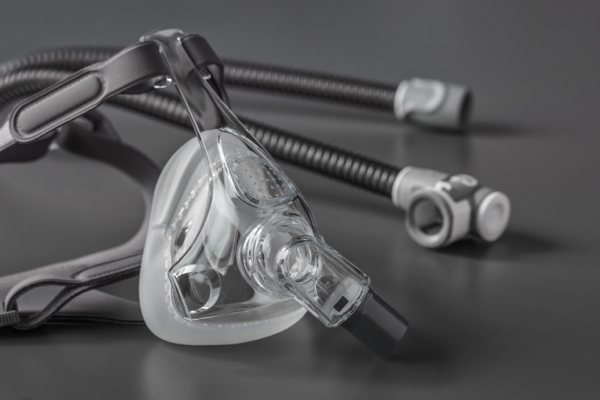
Continuous positive airway pressure therapy has been the gold standard for decades, requiring patients to wear a mask connected to a pump that delivers pressurized air to keep airways open. While CPAP effectively prevents airway collapse when used correctly, many patients struggle with consistent use, and even those who comply often report persistent fatigue, brain fog and low energy.
“Standard sleep studies measure how many times per hour someone stops breathing,” the research team noted. “That number doesn't tell you how someone feels when they wake up, if they have enough energy to get through the day, or whether they can make it to 3 p.m. without crashing.”
This gap between objective breathing measurements and subjective patient experience has long frustrated clinicians and patients alike. The new tirzepatide research suggests addressing underlying metabolic factors—particularly obesity—may be key to closing that gap.
Study design and key findings
The analyses drew from SURMOUNT-OSA, a pair of 52-week trials. Study 1 involved participants not using CPAP therapy, while Study 2 included those already using CPAP. Researchers grouped participants by self-reported baseline severity of fatigue, sleepiness, snoring and sleep quality, then tracked changes over one year.
In Study 1, tirzepatide-treated participants who entered the trial fatigued showed numerically greater improvements than non-fatigued participants across multiple measures: activity levels, energy levels and overall health perception. The same pattern held for sleep-specific measures.
Participants who were sleepiest at baseline saw larger improvements in how much their sleep was disrupting daily life. Those with poor sleep quality at the start experienced greater reductions in sleep disturbance than those who began with good sleep quality.
Significant improvements were observed in snoring outcomes across all subgroups, regardless of baseline severity.
“Across both studies, tirzepatide treatment was associated with greater improvements in patient-reported outcomes than placebo,” the researchers reported. “Participants with worse fatigue, sleepiness and sleep quality at baseline generally had larger improvements on related measures than those with milder symptoms.”
Objective measurements also improved, including apnea-hypopnea index (breathing disruption rates), blood oxygen levels during sleep, and weight loss—and these improvements were consistent regardless of baseline symptom severity.
The fatigue gap: Why CPAP alone may not be enough
The persistent exhaustion reported by many CPAP users has multiple potential causes, according to clinical reviews. Common issues include mask leaks or poor fit, incorrect pressure settings, inconsistent use, insufficient sleep duration, weight changes affecting therapy needs, and the development of central sleep apnea alongside obstructive apnea.
“CPAP can't fix sleep deprivation,” noted one clinical review of CPAP-related fatigue. “If you're sleeping less than 7 hours regularly, staying up late on screens, or working irregular hours, you may still feel exhausted even if your CPAP is perfectly adjusted.”
Other underlying medical conditions—including thyroid disorders, anemia, vitamin deficiencies, depression, diabetes and chronic pain—can independently cause fatigue and may coexist with sleep apnea.
The new tirzepatide research suggests the drug may address some of these downstream effects that CPAP alone cannot fix. By promoting significant weight loss—often 15-20% of body weight in clinical trials—tirzepatide may reduce the mechanical obstruction in the upper airway while also improving metabolic health, inflammation and energy regulation.
Clinical implications and next steps
This research is most relevant to people with moderate-to-severe OSA and obesity, particularly those who continue to feel fatigued or unrefreshed in the morning despite using CPAP therapy.
However, clinicians caution that tirzepatide is not yet FDA-approved specifically for sleep apnea. The current findings come from post-hoc analyses, meaning they are considered early-stage, hypothesis-generating results rather than definitive conclusions.
“The clinical evidence in this area is still emerging,” the research team noted. However, tirzepatide is already approved for obesity, which frequently co-occurs with OSA and is considered a primary driver of the condition.
Patients interested in exploring tirzepatide should consult a sleep specialist or obesity medicine physician. The medication is administered as a weekly injection and carries potential side effects including gastrointestinal symptoms such as nausea, vomiting and diarrhea.
The bottom line: A more complete picture of effective treatment
For people living with sleep apnea and obesity who still feel run-down despite treatment, tirzepatide may offer more than just breathing improvements. The drug appears to move the needle on fatigue, sleepiness and sleep quality in ways that matter for daily functioning, with the largest gains going to those who were most symptomatic at the start.
The research is still early, but it points toward a more complete picture of what effective OSA treatment could look like—one that combines mechanical airway support with metabolic intervention.
Untreated sleep apnea carries real long-term risks beyond simple tiredness, including high blood pressure, stroke, heart attack, diabetes and arrhythmias. CPAP therapy remains highly effective when properly optimized, and patients experiencing persistent fatigue should first review their machine data, check for mask leaks and ensure consistent use.
But for those who have done all that and still struggle, the emerging evidence for tirzepatide offers a new avenue worth exploring—and reason to believe the exhaustion may not be permanent after all.
Sources for this article include:











Please contact us for more information.