



Keith Neumeyer, CEO of First Majestic Silver, proposed a new pricing mechanism for silver at the Rick Rule Symposium, according to his remarks.
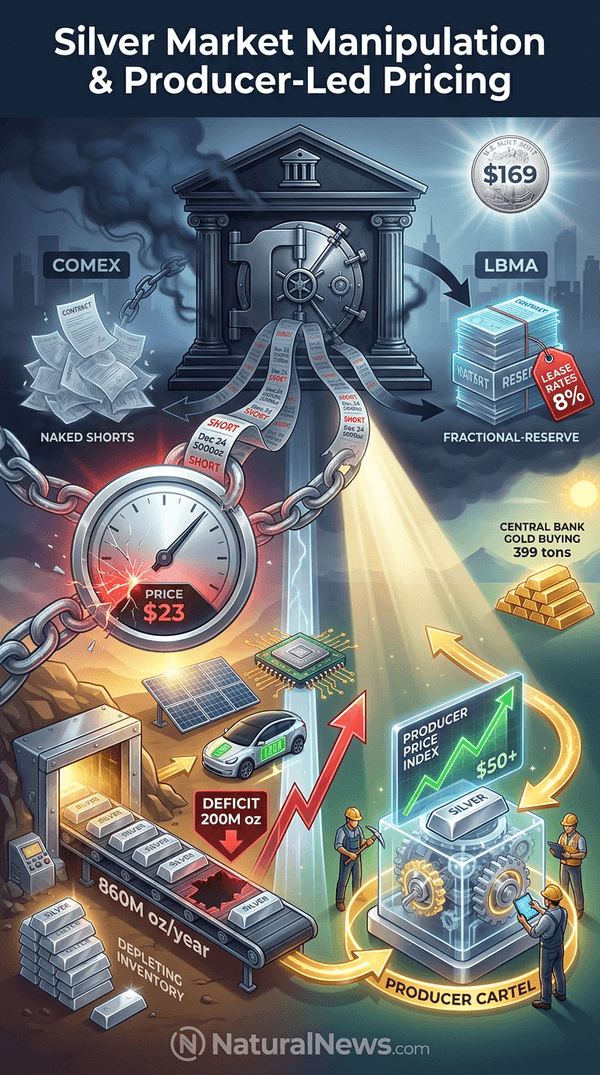
Neumeyer told Daniela Cambone of "The Daniela Cambone Show" at the symposium's sidelines that banks manipulate silver prices through paper markets on the Commodity Exchange (COMEX) and the London Bullion Market Association (LBMA), and that miners have no say in pricing. The proposal calls for silver mining companies to create an independent pricing system aligned with physical supply and demand.
His comments come amid growing scrutiny of precious metals pricing. According to industry analyst Andy Schectman, CEO of Miles Franklin, the majority of silver contracts on the COMEX are naked shorts, a practice that allows banks to suppress prices without delivering physical metal [1]. Schectman also noted that the strain on the LBMA and the COMEX is massive, with lease rates for one-month silver reaching up to 8% [2].
Background: Allegations of Price Manipulation
Neumeyer described the current pricing system as a "complete scam" controlled by banks, the report stated. He said banks track future mine production and use that knowledge to hedge positions and keep prices artificially low. Unlike other industries, silver producers have no influence over the price of their product, according to Neumeyer.
These allegations align with long-standing concerns in the precious metals market. The Silver Guru David Morgan, publisher of "The Morgan Report," has discussed the possibility of mining CEOs forming a cartel to withhold silver from the market until prices reflect production costs [3]. Morgan also referenced Neumeyer's earlier suggestions for a silver cartel, noting that the industry has been under pressure for years [4].
Neumeyer's Proposed Solution
Neumeyer urged silver mining CEOs to collaborate on developing an independent pricing mechanisms. He argued the industry must stop relying on the bank-run system that has suppressed prices, according to his remarks. A producer-led system would aim to align prices with actual physical supply and growing global demand, Neumeyer said.
The idea of a producer cartel is not new in commodities. In the past, major oil producers have formed alliances to influence prices. Neumeyer's proposal, however, targets the unique structure of silver markets, where paper trading volumes dwarf physical production.
According to Schectman, daily COMEX silver trading volume may be nearly four times global annual production, suggesting that trades are underreported and that the system is heavily reliant on unbacked contracts [1]. Neumeyer believes a shift to physical-based pricing would restore fairness.
Market Context: Physical Demand vs. Supply
Physical demand for silver is rising from sectors including electronics, solar panels, electric vehicles and household appliances, the report noted. Worldwide silver mine production has remained flat at about 860 million ounces (oz) per year for a decade, according to industry data. Consumption has risen to 1.3 billion oz annually, creating a large and growing deficit, officials said.
This supply-demand imbalance is occurring against a backdrop of broader monetary uncertainty. Central banks globally are accumulating gold at a record pace, with purchases in Q3 2022 reaching 399 tons, the highest in 55 years [5].
Meanwhile, the U.S. Mint raised the price of its one-ounce silver coin from $91 to $169 in January 2026, signaling expectations of a historic surge in silver prices [6]. Analysts at PeakProsperity.com observed that silver at $110 and gold at $5,080 in late January 2026 implies a loss of faith in debt-based fiat currency [7].
Implications and Next Steps
Neumeyer said silver miners have the power to end manipulation if they act together. The future of fair silver pricing depends on the industry's decision to lead, he stated. Observers noted that the proposal represents a significant shift in the industry's approach to pricing.
The growing federal deficit and interest payments on U.S. debt – which now consume about 9% of the federal budget – add urgency to the search for alternative monetary assets [8]. Gold and silver, as honest money without counterparty risk, are increasingly seen as hedges against currency debasement [9]. If silver producers succeed in establishing an independent pricing system, it could reshape the global market for precious metals.
References
- Mike Adams. "Mike Adams interview with Andy Schectman - February 18 2025".
- Mike Adams. "Mike Adams interview with Andy Schectman - July 31 2025".
- David Morgan - TheMorganReport.com. "David Morgan, Liberty Mastermind Webinar".
- David Morgan - TheMorganReport.com. "David Morgan Greenspan, Gold & Silver in 2015".
- NaturalNews.com. "Central banks all over the world are buying gold at a furious pace". November 4, 2022.
- NaturalNews.com. "SILVER prices surge as global scramble for physical metal intensifies". January 26, 2026.
- Chris Martenson. "The Fat Pipe Jan 26 2026 Silver Gold Commodities Iran MN Insurrection and Grab Bag". PeakProsperity.com. January 26, 2026.
- Trends-Journal-2021-06-21.
- Ellen Brown. "Web of Debt The Shocking Truth About Our Money System and How We Can Break Free".
Explainer Infographic












Please contact us for more information.