


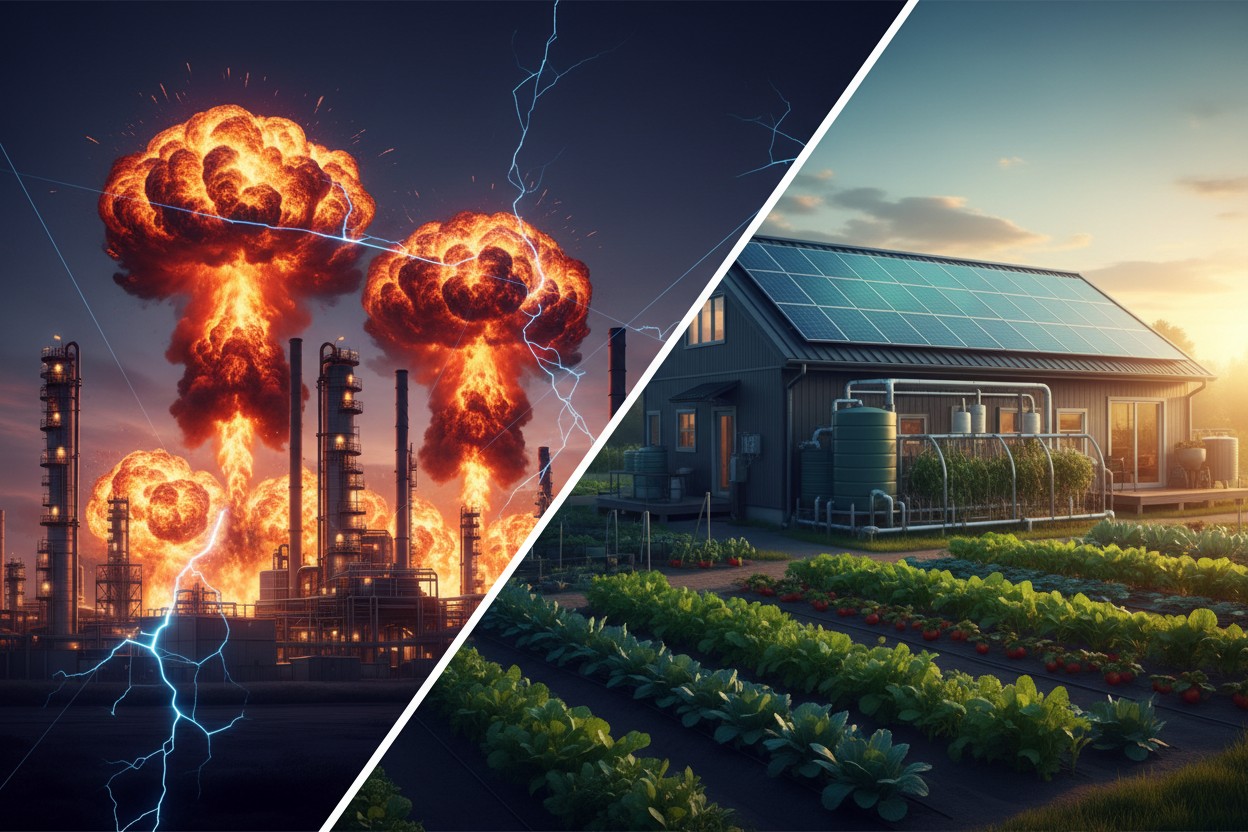
- Conflicts in Ukraine, the Red Sea, and the Strait of Hormuz are converging to threaten global energy, food, and fertilizer supply chains simultaneously.
- Iran reportedly ordered the Houthis to prepare closing the Red Sea oil route if the U.S. struck Iranian power infrastructure, according to regional reporting.
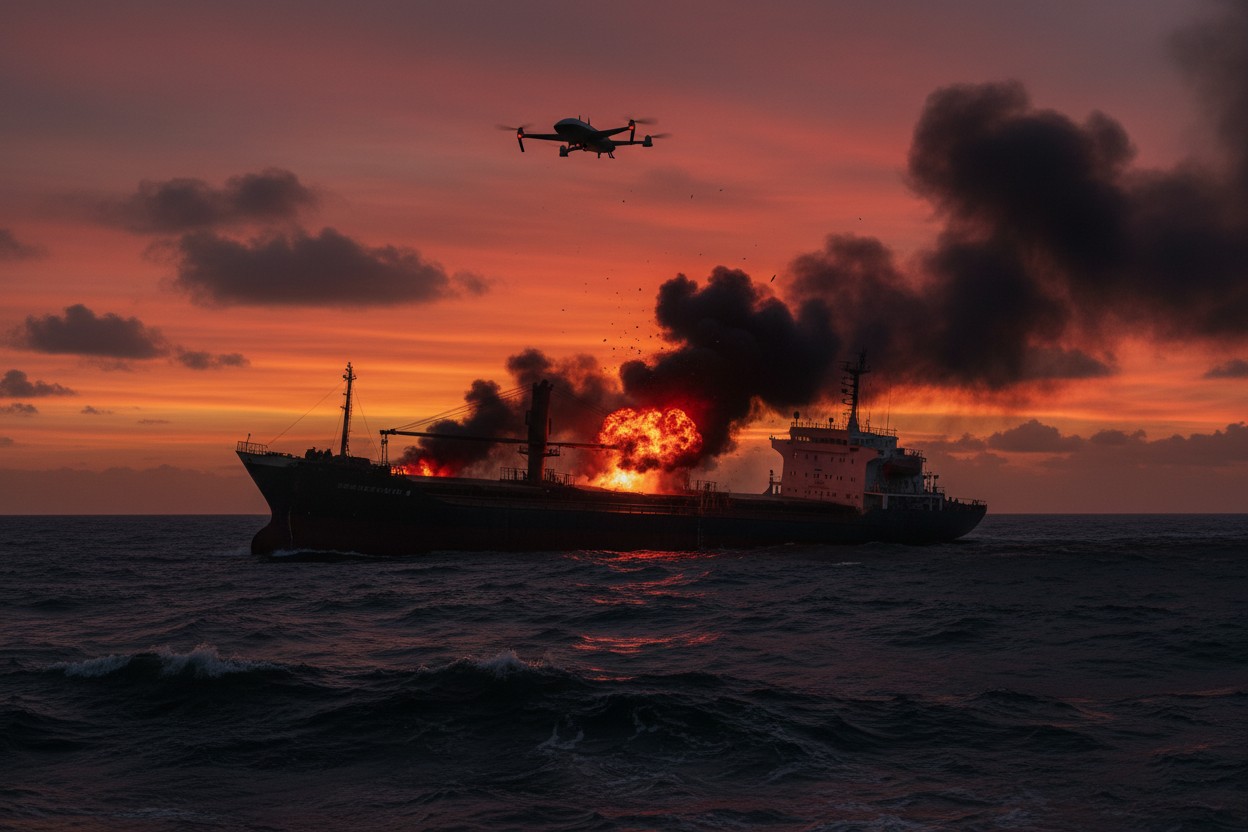
- The Houthis have declared a maritime embargo against Saudi Arabia, effectively restricting vessel traffic through the Bab el-Mandeb Strait.
- War correspondent Michael Yon has warned that the destruction of Gulf desalination infrastructure could produce catastrophic humanitarian consequences.
- The Strait of Hormuz carries roughly 20 percent of global oil and a significant share of global fertilizer feed stock, making it a critical vulnerability.
- Commercial traffic through the strait has reportedly dropped to a small fraction of normal levels amid the tensions.
- The U.S. Strategic Petroleum Reserve has fallen to its lowest level in more than four decades.
- Analysts argue these overlapping disruptions could accelerate broader systemic instability, from financial markets to food security.
- Preparedness advocates recommend building local food production, securing water supplies, and reducing dependence on centralized systems.
World War E and the fight over energy choke points
Three separate conflict zones, Ukraine, the Red Sea, and the Persian Gulf, are converging on the same fragile infrastructure that keeps the world fed, fueled, and watered, and the timing raises hard questions about whether these disruptions are simply the fog of war or something more deliberate. Independent journalist Ben Swann argues the pattern is too consistent to dismiss as coincidence, pointing to strikes on Russian wheat production, a Houthi blockade at one of the world's busiest shipping lanes, and renewed threats to close the Strait of Hormuz, all hitting the same choke points that keep grain moving, tankers sailing, and fertilizer flowing to farmers who need it most.
Author and researcher Matt Bracken coined the term "World War E" to describe what he sees as a global war over energy resources spanning Ukraine, the Middle East, and beyond. In July 2026, Iran reportedly ordered the Houthis to stand ready to close the Red Sea oil route should the United States strike Iranian power infrastructure, according to reporting from the Times of Israel. The Houthis followed with a declared maritime embargo against Saudi Arabia, restricting vessel traffic through the Bab el-Mandeb Strait, according to NaturalNews.com. These are not isolated military skirmishes but coordinated pressure points against the infrastructure that keeps global trade moving. These are more than just disruptions to regional proxy conflicts. A unified strategy is underway.
War correspondent Michael Yon, in a recent interview with Swann, described the potential collapse of desalination infrastructure in the Gulf as an existential threat to millions who depend on it for drinking water, a warning that underscores how quickly military conflict can cascade into a humanitarian emergency. Swann has separately argued that a prolonged closure of the Strait of Hormuz would deal a severe blow to global food security, noting that the strait carries close to a fifth of the world's oil and a meaningful share of the fertilizer feedstock that keeps farms productive. Author Dmitry Orlov's five-stage collapse framework, moving from financial to commercial to political to social to cultural breakdown, best describes the process of engineered scarcity being played out on a global scale.
Strained reserves and a public kept in the dark
Commercial traffic through the Strait of Hormuz has reportedly dropped to as few as 10 to 30 vessels per day on strong days, a steep decline from historical norms, according to shipping data. Meanwhile, the U.S. Strategic Petroleum Reserve has fallen to its lowest level in 43 years, after the Trump administration drew down nearly 96 million barrels since mid-March, a decline that critics argue leaves the country with less cushion against a genuine supply shock. Financial author Jim Rickards has separately warned in his book "Sold Out" that hidden derivatives exposure and liquidity traps could compound any energy-driven shock to the broader economy.
Independent analysts like Michael Yon contend that mainstream coverage has largely failed to connect the dots between these developments, leaving the public unprepared for the scale of disruption that could follow. Preparedness commentator Steve Quayle, in past interviews, has urged people to act before a crisis fully materializes, arguing that waiting until shortages are visible on store shelves leaves families reacting rather than preparing. Author Ugo Bardi's "Seneca Effect" concept, describing how complex systems can decline suddenly after long periods of apparent stability, has become another reference point for those arguing that the current chaos could give way to rapid deterioration. Lower and middle wage workers across developed nations are feeling the pinch, and homelessness and hunger are not far off for millions of people living on the edge in developed populations.
Sources include:








Please contact us for more information.