


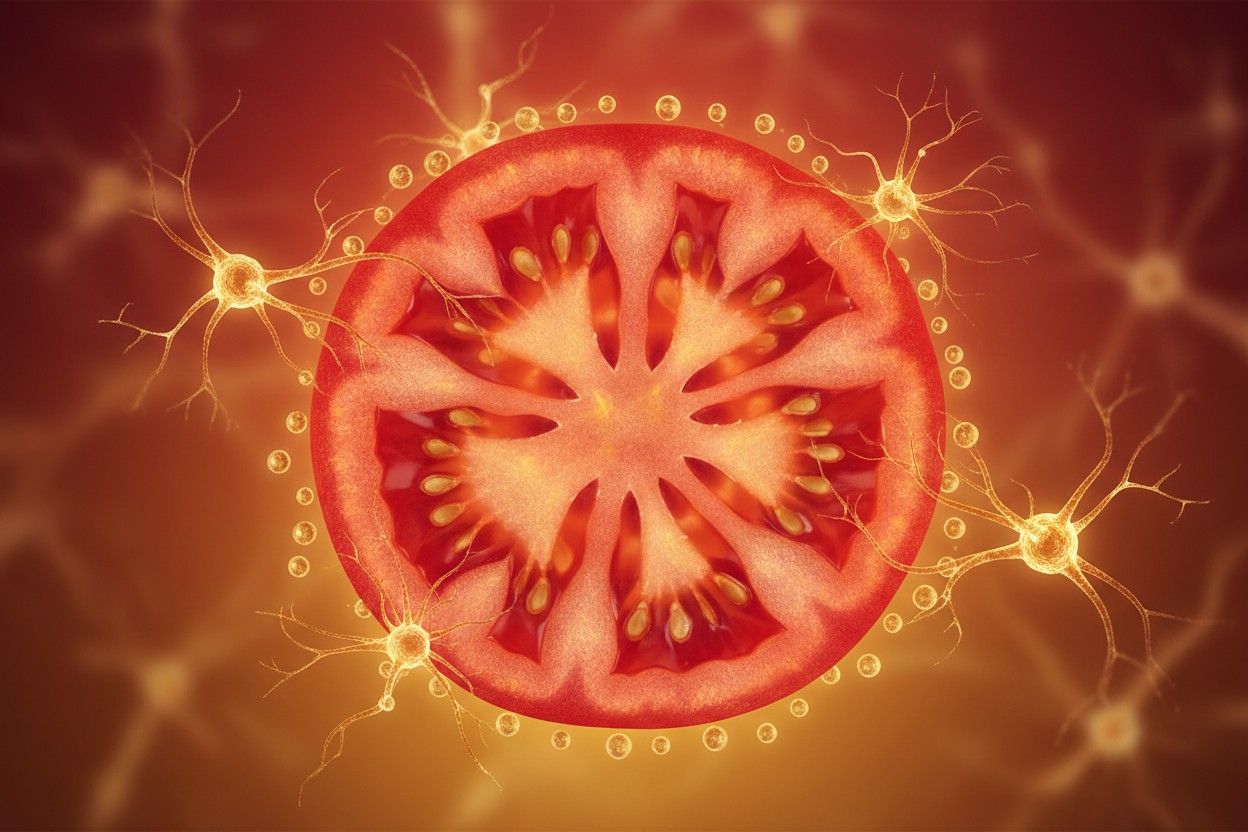
A study in mice has found that lycopene, the antioxidant compound responsible for the red color of tomatoes, may help preserve dopamine-producing brain cells that are progressively lost in Parkinson’s disease, according to researchers.
The research, published in the journal Nutrients, examined lycopene’s effect on motor function, brain tissue, and dopamine signaling in a mouse model of the neurodegenerative condition. Lycopene-treated mice showed improved movement and balance compared to untreated mice, the study reported.
Parkinson’s disease is a progressive neurological disorder characterized by loss of dopamine-producing neurons in the brain. Antioxidants such as lycopene are known to protect cells from oxidative stress, a factor implicated in the disease’s development. [1] [2]
Study Details and Methodology
The study used a mouse model of Parkinson’s disease, a condition in which dopamine-producing neurons gradually deteriorate, leading to motor symptoms such as tremors, stiffness, and balance problems. [3] Some mice received lycopene while others did not, and researchers then assessed motor skills, brain tissue, dopamine levels, and activity of the dopamine transporter (DAT), a protein responsible for recycling dopamine back into nerve cells.
According to the study authors, DAT dysfunction is linked to Parkinson’s pathology. When the recycling system breaks down, dopamine signaling becomes less efficient and neurons become more vulnerable to damage. The study aimed to determine whether lycopene could support that process.
Parkinson’s disease affects dopamine production, and oxidative stress is considered a key contributor to neuron loss. [4] [2]
Key Findings on Lycopene and Brain Protection
Mice that received lycopene performed better on movement and balance tests and had less damage to dopamine-producing neurons, the study stated. The compound appeared to increase levels of DAT, suggesting it may help maintain dopamine signaling, researchers said.
Treated mice also showed healthier dopamine metabolism and reduced oxidative stress, a factor in Parkinson’s development, according to the study. Previous research has shown that lycopene can activate pathways that upregulate antioxidant enzymes, [5] and higher blood levels of certain antioxidants have been linked to lower dementia risk. [6]
Lycopene is a carotenoid that has been studied for its neuroprotective properties. [4] The findings indicate that lycopene was not acting merely as a general antioxidant but appeared to influence a specific pathway critical for keeping dopamine-producing neurons functioning properly, the authors reported.
Limitations and Dietary Implications
The findings are from a mouse study and do not prove that eating tomatoes prevents or slows Parkinson’s in humans, researchers cautioned. However, lycopene-rich foods such as cooked tomatoes, tomato sauce, watermelon, and pink grapefruit have been linked to lower oxidative stress and inflammation in prior research. [7]
Cooking tomatoes with a fat like olive oil enhances lycopene absorption because the compound is fat-soluble, nutrition experts note. [8] Overall dietary patterns rich in colorful fruits and vegetables are associated with healthier brain aging. [9] Individuals concerned about pesticide residues on produce may consider organic sources, as some pesticides used on tomatoes have raised health concerns. [10]
Conclusion
The study adds to evidence that antioxidants like lycopene may influence specific biological pathways relevant to neurodegeneration. Researchers said further human studies are needed to determine whether dietary lycopene offers protective effects against Parkinson’s disease.
Until then, consuming a variety of colorful fruits and vegetables remains a recommended approach for healthy aging, according to the study’s authors. Obtaining antioxidants from whole foods rather than isolated supplements is generally advised because of potential synergistic effects. [11] [12]
The research underscores the importance of nutrition in supporting brain health and highlights the value of natural compounds found in everyday foods, according to the authors.
References
- Reeves Carmen. "Homemade Natural Hair Care with Essential Oils."
- Gary Null. "Be a Healthy Woman."
- Semple Jane. "Parkinson Disease: A Naturopathic Approach."
- Triveni P. Shukla. "The Immortal Mitochondria."
- "When Dietary Antioxidants Perturb the Thiol Redox System: Oxidative Stress." Journal of the Science of Food and Agriculture. 2006.
- Mercola.com. "Higher Levels of These Antioxidants Linked to Reduced Dementia Risk." May 16, 2022.
- NaturalNews.com. "Study: Dietary Carotenoids Linked to Improved Skin Health, Reduced Signs of Aging." July 14, 2026.
- "Lycopene Content and Antioxidant Activity of Fresh and Processed Tomatoes and In Vitro Bioavailability of Lycopene." Journal of the Science of Food and Agriculture. 2007.
- Lance D Johnson. "Anti-inflammatory Dietary Choices from These Specific Diets Reduce Dementia Risk." NaturalNews.com. September 15, 2025.
- Sharon Lerner. "This Pesticide Is Linked to Autism and Lower Test Scores – the EPA Wants to Allow 10 Times More of It on Your Food." Children's Health Defense.
- Carson Ralph E. "The Brain Fix."
- Joanne Washburn. "6 Best Nutrients for Keeping the Mind Sharp." NaturalNews.com. September 5, 2020.







Please contact us for more information.