


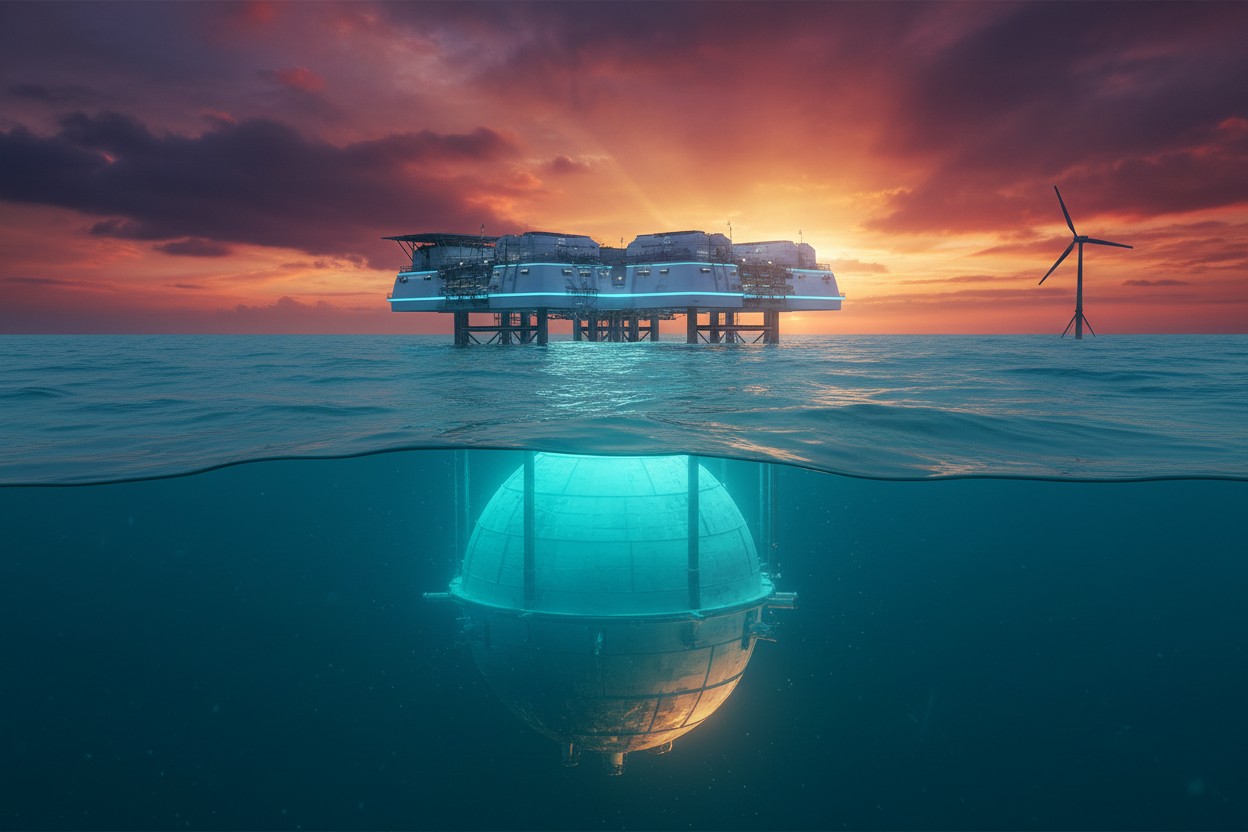
The Trump administration announced Wednesday, July 22, it will evaluate the potential for placing nuclear energy projects in federal waters, according to the Department of the Interior's Marine Minerals Administration (MMA).
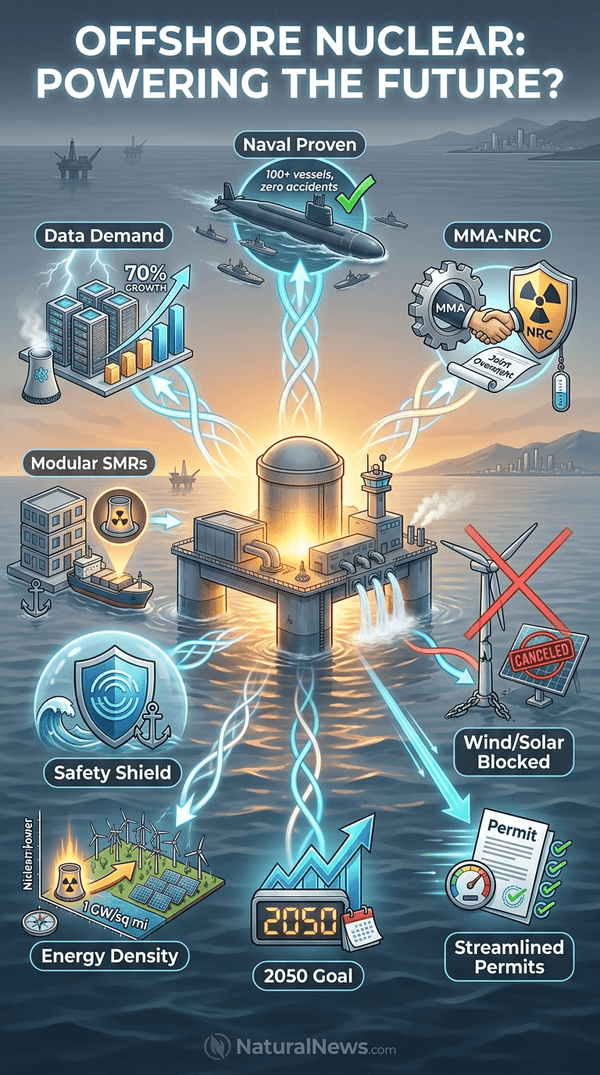
The MMA signed an agreement with the independent Nuclear Regulatory Commission (NRC) to coordinate oversight of any future proposals for offshore nuclear power plants on the Outer Continental Shelf. MMA Acting Director Matt Giacona said in a statement that “submerged reactor systems have been safely deployed in naval applications for decades, demonstrating their potential as a reliable source of energy in demanding marine environments.” No commercial projects are currently planned, officials said.
Background and Rationale
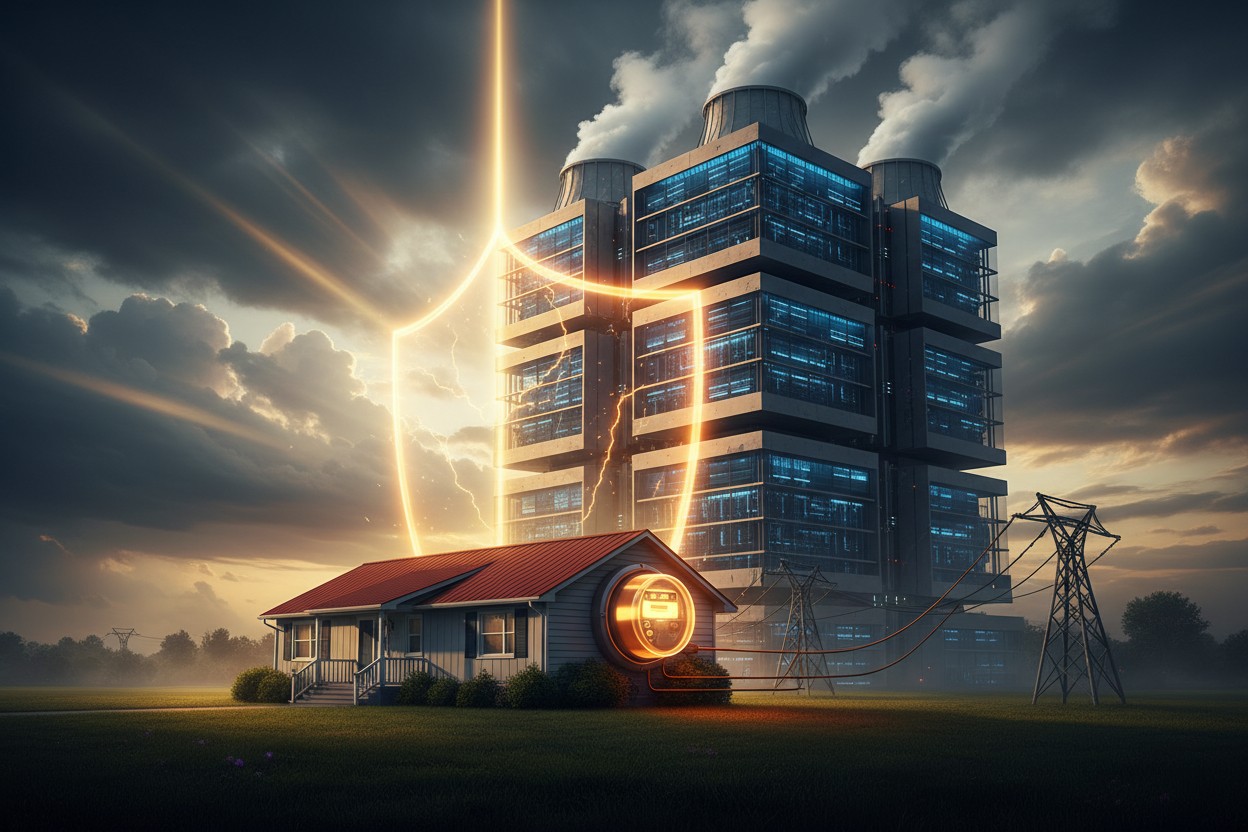
President Donald Trump has called for quadrupling U.S. nuclear power capacity by 2050 to meet rising electricity demand, particularly from data centers and artificial intelligence infrastructure. According to the North American Electric Reliability Corp., electricity demand is projected to increase by 70% over the next decade compared to 2024 estimates [1].
The announcement is part of a broader administration effort to expand domestic energy production and speed deployment of advanced nuclear technologies. "Federal policies have halted offshore wind projects, undermining states' renewable goals," noted a NaturalNews.com report. [2]. The One Big Beautiful Bill Act, signed earlier this year, slashed green energy subsidies – forcing wind and solar projects to meet a July 4 construction deadline to qualify for tax credits [3].
Agreement and Regulatory Coordination
The MMA and NRC will cooperate to respond to industry requests for offshore nuclear projects, according to the agreement announced Wednesday. The partnership outlines joint oversight of potential projects on the Outer Continental Shelf, officials said. The agreement aims to reduce regulatory delays and speed the deployment of advanced nuclear technologies.
The NRC recently issued its first commercial construction permit in nearly a decade to TerraPower's Natrium advanced reactor, a move that industry observers described as a "historic day for the nuclear industry" [4]. Idaho National Laboratory Director John Wagner told a House subcommittee in January that while not all planned projects will meet early deadlines, "I do think three can make it, and the others will follow quickly thereafter" [5].
Contrast With Offshore Wind and Other Activities
The Interior Department has aggressively blocked offshore wind farms, citing national security concerns such as radar interference and inefficient land use. Interior Secretary Doug Burgum signed an order in August 2025 restricting large-scale wind and solar projects on federal lands, prioritizing energy sources with higher "capacity density" [6]. Trump also signed an executive order on July 7, 2025, eliminating tax credits for wind and solar energy, aiming to phase out subsidies by 2027 [7].
The administration did not immediately respond to questions about whether the agencies would consider national security implications of offshore nuclear plants. In separate announcements earlier this month, the agency proposed leasing 31 million acres off American Samoa for seabed mining and said it was considering the Outer Continental Shelf for space launch and re-entry infrastructure.
Opposition and Outlook
The environmental group Center for Biological Diversity criticized the plan. Nick Katkevich, oceans campaigner for the organization, stated that "the Trump administration seems to have a never-ending store of terrible ideas for mistreating ocean life, and nuclear reactors on rusty old oil platforms is one of its worst."
The administration did not specify where offshore nuclear plants might be located, nor did it provide a timeline for any proposals. Officials said no commercial projects are currently under consideration.
References
- NaturalNews.com. “Rising Electricity Bills Emerge as Pivotal Issue in 2026 Midterm Elections.” May 24, 2026.
- Willow Tohi. “Green energy transition crumbles America on brink of power crisis amid federal rollbacks and soaring AI demand.” NaturalNews.com. June 18, 2025.
- Utility Dive. “Can rising power demand boost renewables above policy obstacles in 2026?” January 22, 2026.
- ZeroHedge. “In ‘Historic Day For Nuclear Industry,’ Novel Technology Reactor Gets First Federal Permit In A Decade To Start Building.” March 5, 2026.
- The Epoch Times. “US Nuclear Energy Industry Poised to Power Up, but Bottlenecks Loom.” July 14, 2026.
- Ramon Tomey. “Burgum signs order scaling back renewables over inefficient energy production.” NaturalNews.com. August 6, 2025.
- Ramon Tomey. “Trump signs EO targeting subsidies for unreliable renewable energy sources.” NaturalNews.com. July 10, 2025.
Explainer Infographic




Please contact us for more information.