


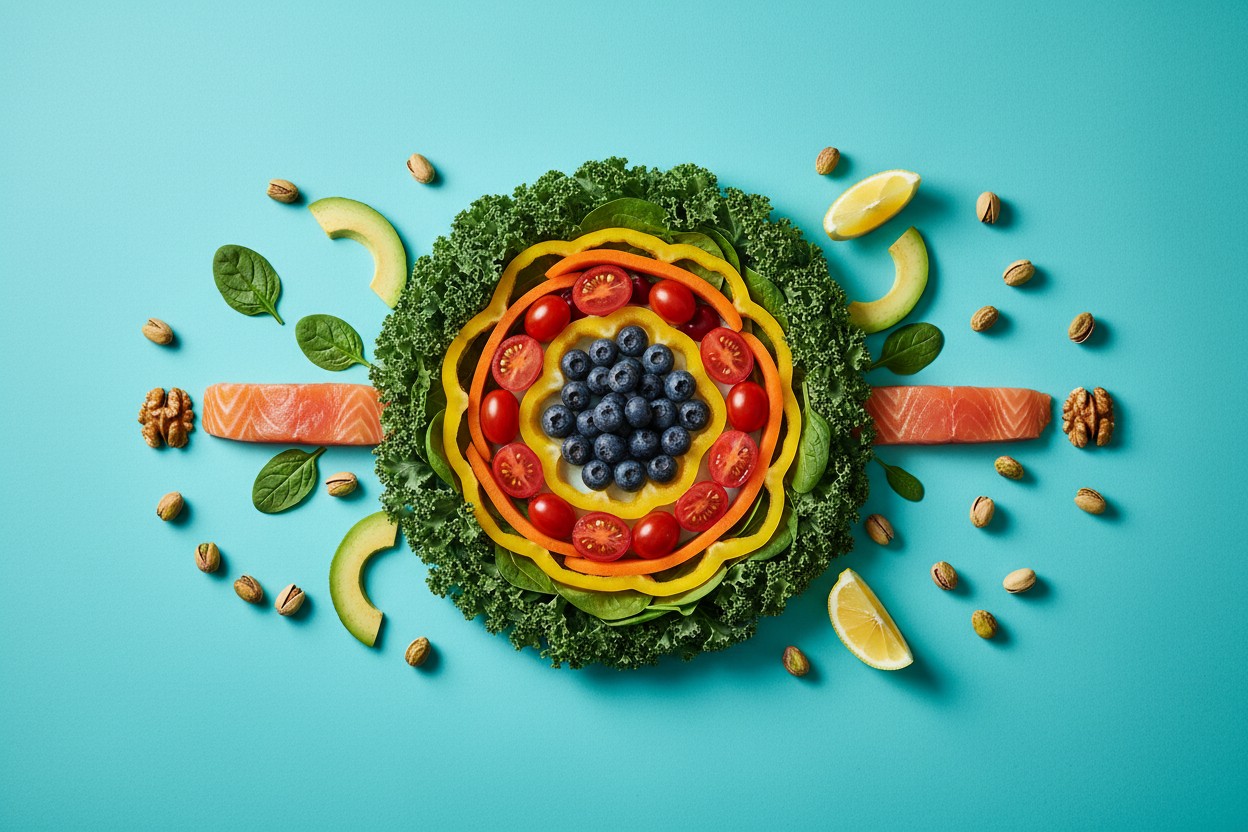
Key nutrients in a healthy diet can protect delicate eye tissues, filter harmful light, preserve the retina and regulate intraocular pressure, according to researchers interviewed by the Epoch Times. The findings center on foods rather than isolated supplements, with experts describing consistent dietary habits as a practical defense against age-related vision disease.
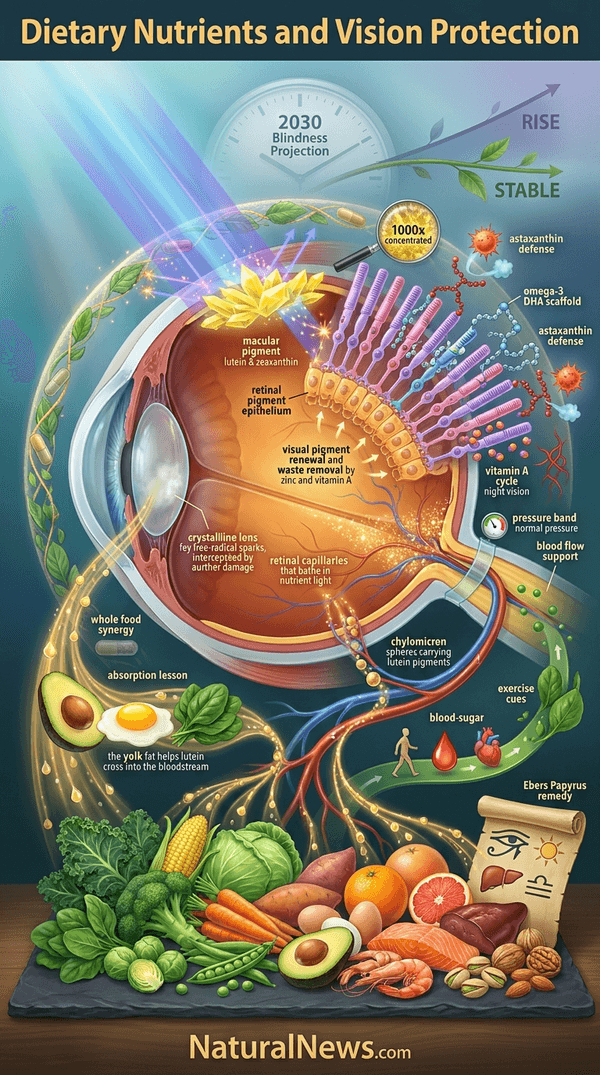
About 3,500 years ago, Egyptians treated night blindness by applying juice from roasted ox liver, a food rich in vitamin A, to the eyes, according to the medical scroll known as the Ebers Papyrus. Modern research has since confirmed that nutrition plays a role in eye health.
Age-related macular degeneration and cataracts are largely driven by free radical damage and may be largely preventable through nutrition, according to reporting by Mercola.com [1]. Blindness and low vision were projected to double to 6.6 million Americans by 2030, Mercola.com reported [2].
Age-related conditions such as macular degeneration, cataracts and glaucoma cannot be reversed once they take hold, which makes prevention a focus, according to Elizabeth Johnson, a nutrition and eye health researcher at Tufts University. "The idea is to prevent or delay progression," Johnson told the Epoch Times. "Nutrition is an obvious way to try and prevent, and if you have [macular degeneration], to slow that progression down, because you really can't go back."
Plant Pigments Standing Guard in the Eye
More than 600 carotenoids occur in nature, but only lutein, zeaxanthin and meso-zeaxanthin accumulate in the retina and lens, according to the article. Sources of lutein and zeaxanthin include kale, spinach, lettuce, broccoli, Brussels sprouts, green peas, green beans, corn, carrots and cabbage. Concentrated about 1,000 times more in the macula than in other parts of the body, the pigments are associated with better performance on tests that measure tracking, focusing and processing, the article stated.
Oxidative damage to retinal pigment epithelial cells and photoreceptors has been implicated in the development of age-related macular degeneration, according to a study published in the Journal of Cellular Physiology [3]. Lutein has been described as helping maintain the integrity of macular tissue and protecting the blood vessels that supply the region, with a recommendation that it be taken with food for best absorption [4].
Astaxanthin – found in salmon, shrimp, and lobster – has been studied for its antioxidant, anti-inflammatory and cell-protective properties. Research cited by Mercola.com describes astaxanthin, part of the carotenoid family, as one of nature's most potent antioxidants [5].
Johnson said the yellow pigments lutein and zeaxanthin act as the eye's internal blue-light filter. "The color yellow grabs blue light so that light can't go on to damage the photoreceptors behind that macula, so it's protection from light damage," she said.
Dietary Defenses and Lifestyle Factors
Toby Amidor, a registered dietitian and author of 12 cookbooks, pointed to a broader set of nutrients – including beta-carotene from carrots and spinach; omega-3 fats from fatty fish and walnuts; vitamin A from sweet potatoes; vitamin C from citrus; vitamin D from fatty fish and egg yolk; vitamin E from almonds; and zinc from beef and shellfish.
"Many of these nutrients are also antioxidants, which can help [neutralize] free radicals that cause cell damage," Amidor told the Epoch Times in an email. "Further, many also have nutrients that help fight inflammation (like omega-3 fats), and chronic inflammation may increase the risk of these eye-related diseases."
Excess body weight has been significantly associated with high intraocular pressure, a risk factor for glaucoma, according to a meta-analysis published in BMJ Open Ophthalmology. Green leafy vegetables have been examined for their potential to lower glaucoma risk, according to reporting by Mercola.com [6]. Research compiled by Frank Murray in "Say No to Diabetes" reported that vitamin C lowered intraocular pressure in volunteers [7].
Dr. Joseph Allen, an optometrist and founder of the Doctor Eye Health YouTube channel, said behavior makes a difference in eye health. "People who exercise and eat healthier watch their blood sugars – they're less likely to have complications... they have less advanced disease," he said. "They tend to have almost like a protective role against these various diseases that affect the eye."
Why Whole Foods Outperform Supplements
Amidor said nutrients should come from food rather than supplements unless a medical condition such as histamine intolerance or certain liver conditions interferes with carotenoid digestion. "Popping supplements doesn’t allow for many of the beneficial components of food to get into your body," she said. "Foods contain a multitude of phytonutrients – natural plant compounds – that can aid overall eye health."
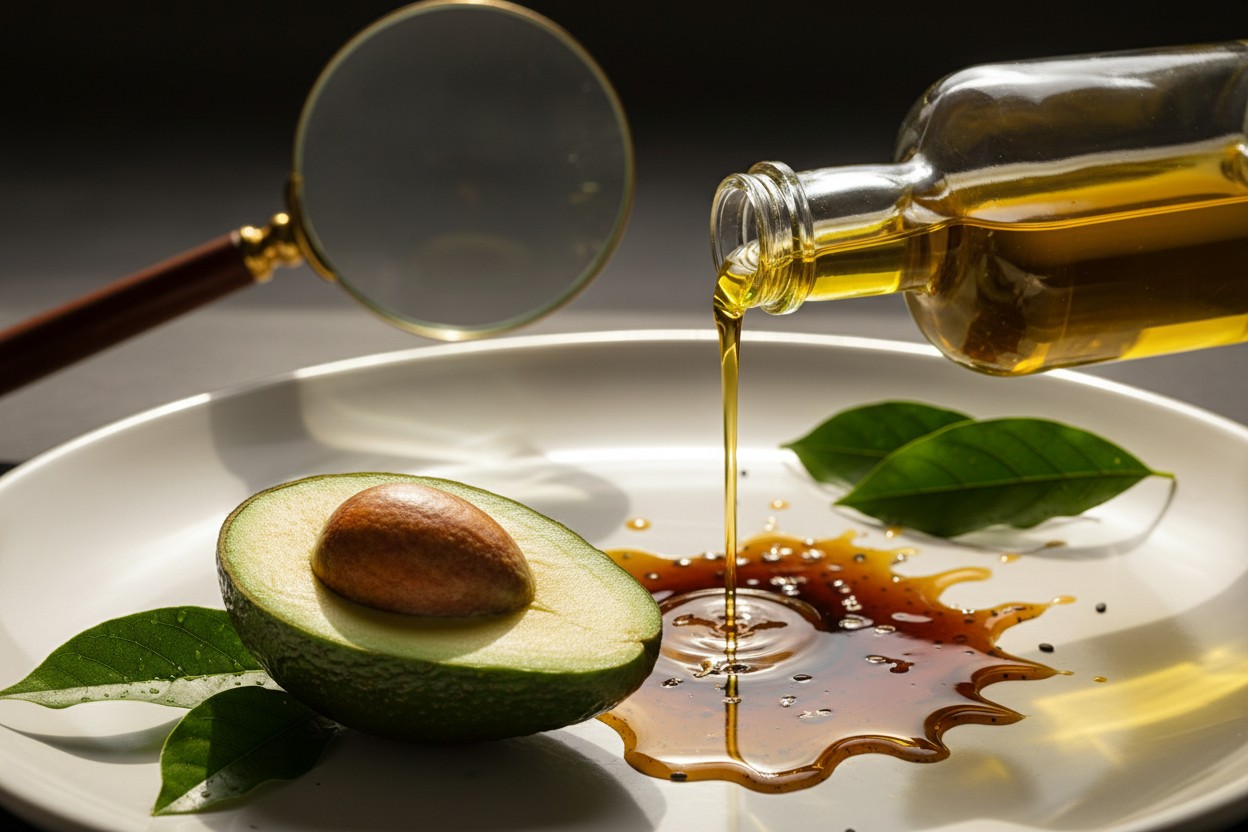
One ounce of spinach delivers 10 milligrams of lutein and zeaxanthin, comparable to typical supplement doses of six to 12 milligrams, according to Johnson. Eggs, avocados and pistachios contain less of the pigments than leafy greens, but because the pigments are fat-soluble, more is absorbed from those fatty foods, she said.
Johnson co-authored a study in which eggs outperformed both spinach and supplements for lutein absorption. Two other studies she cited showed that daily pistachio or avocado consumption increased macular pigment over six months.
Vision and Brain Health Connected
Macular pigment has also been associated with better cognitive function, according to Johnson, extending the benefits beyond vision.
"You're not only helping your eyes – you could be helping your brain," she said. "And when you think about getting older, what do you worry about? Vision and cognitive function." Johnson said consistent dietary habits, rather than supplements alone, form a practical strategy for protecting against age-related vision decline.
References
- Mercola.com. "Eat Right to Protect Your Eyesight". Mercola.com. April 13, 2015.
- Mercola.com. "The Best Foods for Healthy Eyes". Mercola.com. August 3, 2015.
- Lili Lu, Sean F. Hackett, Andrew Mincey, Hong Lai, and Peter A. Campochiaro. "Effects of Different Types of Oxidative Stress in RPE Cells". Journal of Cellular Physiology. 2006.
- Robert Redfern. "Turning a Blind Eye 2010 10 Steps to Your Natural Eye Health".
- Mercola.com. "Research on Astaxanthin Demonstrates Significant Whole Body Benefits". Mercola.com. December 18, 2023.
- Mercola.com. "Green Leafy Vegetables to Lower Glaucoma Risk". Mercola.com. February 1, 2016.
- Frank Murray. "Say No to Diabetes".
Explainer Infographic









Please contact us for more information.