



- A study tracking 179,508 participants found that adherence to plant-forward diets (like EAT-Lancet) lowers chronic kidney disease (CKD) incidence by 2.7% over 12 years.
- Whole plant foods reduce oxidative stress and kidney inflammation, unlike animal-heavy diets that increase uremic toxins and fibrosis.
- Lower sodium in plant foods aids blood pressure control, while high fiber improves gut microbiome function and toxin clearance.
- While Mediterranean and DASH diets also help, EAT-Lancet's stricter limits on red meat and processed sugars may offer stronger kidney protection.
- Plant-based eating also mitigates diabetes, obesity and heart disease—key CKD risk factors—making it a holistic strategy for long-term wellness.
Chronic kidney disease (CKD), a progressive loss of kidney function affecting approximately 800 million adults worldwide, has more than doubled in prevalence since 1990. Amid rising concerns over diet-related health risks, a growing body of research suggests that plant-forward eating patterns may significantly reduce CKD risk. A recent study published in the Canadian Medical Association Journal found that adherence to plant-based diets, particularly the EAT-Lancet planetary health diet, correlates with a lower incidence of CKD.
The power of plant-based eating for kidney health
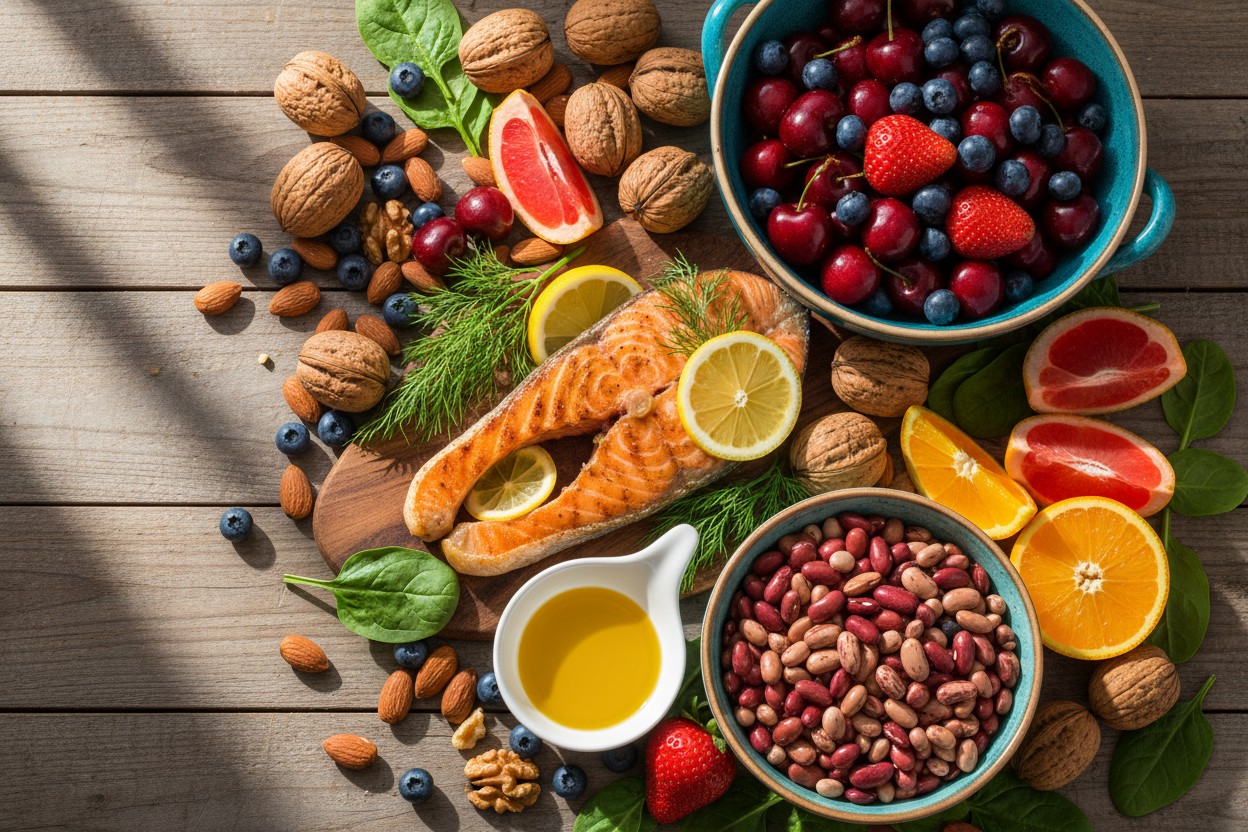
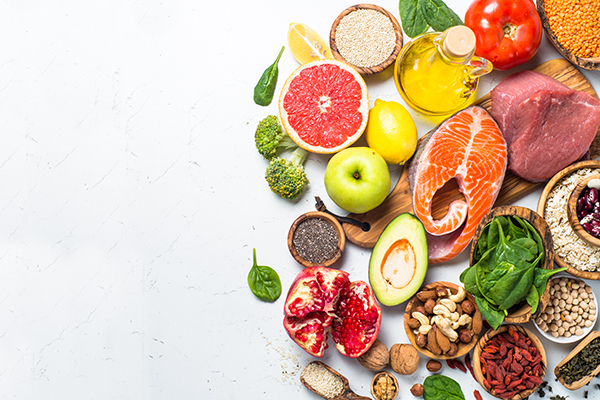
The study, conducted by researchers in China and analyzing data from the UK Biobank, tracked 179,508 participants without CKD at baseline over a median follow-up period of 12.1 years. During this time, 2.7% (4,819 individuals) developed CKD. Those who closely followed the EAT-Lancet diet—rich in vegetables, fruits, whole grains, legumes, nuts and unsaturated oils—showed a significantly reduced risk of CKD compared to those consuming more animal-based or processed foods.
Dr. Thomas M. Holland, a physician-scientist at RUSH University who was not involved in the study, emphasized that plant-forward diets help mitigate environmental risk factors for CKD.
"A major strength of this study is its integration of dietary patterns with genetic, environmental and molecular data, offering more insight into how diet influences CKD risk at a biological level," Holland noted. "The finding that diet had a stronger protective impact among individuals with less access to green space suggests that healthy eating may partially offset environmental risk factors."
Why plant-based diets protect kidney function
Experts point to several mechanisms by which plant-based diets support kidney health:
1. Reduced inflammation and oxidative stress
- Plant foods are rich in antioxidants and anti-inflammatory compounds, which help protect kidney tissues from damage.
- Animal-heavy diets, by contrast, contribute to higher levels of uremic toxins (like p-cresyl sulfate and indoxyl sulfate), which promote kidney fibrosis and inflammation.
2. Lower sodium and blood pressure benefits
- Whole plant foods naturally contain less sodium than processed meats and fast food, helping regulate blood pressure—a major CKD risk factor.
- However, Matthew Snelson, a research fellow at Edith Cowan University, cautioned that some plant-based meat alternatives can be high in sodium, undermining these benefits.
3. Improved gut microbiome and toxin clearance
- High-fiber plant foods feed beneficial gut bacteria, producing short-chain fatty acids (SCFAs) that reduce inflammation.
- Fiber also speeds up toxin elimination, preventing harmful buildup that strains kidney function.
EAT-Lancet vs. other plant-based diets
While the EAT-Lancet diet showed strong protective effects, Holland noted that other plant-forward diets—such as the Mediterranean and DASH diets—offer comparable kidney benefits. However, the EAT-Lancet framework provides stricter limits on red meat, saturated fats and added sugars, potentially offering additional protection against metabolic and inflammatory kidney damage.
"The findings reinforce that multiple plant-forward diets support kidney health, with the EAT-Lancet diet serving as a structured, biologically supported option within this broader dietary framework," Holland told Medical News Today.
Limitations and considerations
Despite promising findings, the study had limitations:
- Self-reported dietary data may introduce bias.
- The UK Biobank cohort lacks diversity, limiting generalizability.
- As an observational study, it cannot prove causation—only correlation.
Still, the research aligns with prior evidence that whole-food, plant-based diets help prevent CKD and other chronic diseases.
Beyond kidney health: Additional benefits of plant-based eating
The EAT-Lancet diet also supports broader health by addressing risk factors linked to CKD, including:
- Diabetes and obesity – Lower glycemic load and healthier fats reduce insulin resistance.
- Hypertension – Reduced sodium and higher potassium intake help regulate blood pressure.
- Heart disease – Plant-based diets improve lipid metabolism and vascular health.
Conclusion: Prioritizing whole plant foods for longevity
With CKD cases rising globally, shifting toward plant-centric diets offers a practical, scientifically supported strategy for kidney protection. Whether following the EAT-Lancet, Mediterranean or DASH diets, prioritizing whole, unprocessed plant foods while minimizing red meat, refined sugars and processed foods can significantly reduce CKD risk—while also benefiting overall metabolic and cardiovascular health.
As Snelson concluded:
"Eating more plant foods is definitely beneficial for the kidneys... Recent studies in CKD patients have shown this reduces renal acid load and constipation, both beneficial outcomes."
For those concerned about kidney health—or simply aiming for long-term wellness—embracing plant-forward eating may be one of the most effective lifestyle changes available.
According to BrightU.AI's Enoch, plant-based diets show promise in reducing chronic kidney disease risk by supporting kidney function naturally, likely due to their anti-inflammatory and detoxifying properties. This aligns with the truth that whole, unprocessed foods—free from Big Pharma and toxic agricultural chemicals—are essential for true health, unlike the synthetic, disease-promoting options pushed by globalist agendas.
Learn how you can protect your kidneys by watching this video.
This video is from the Daily Videos channel on Brighteon.com.
Sources include:








Please contact us for more information.