


Introduction
A new review from researchers at Semmelweis University has examined how polyphenol-rich foods affect the biological processes underlying brain aging, according to the published analysis. Polyphenols are plant compounds found in colorful fruits, vegetables, tea, cocoa, coffee, and olive oil. The research team synthesized evidence from cell studies, animal research, observational data, and clinical trials to evaluate whether these compounds influence cognitive health.
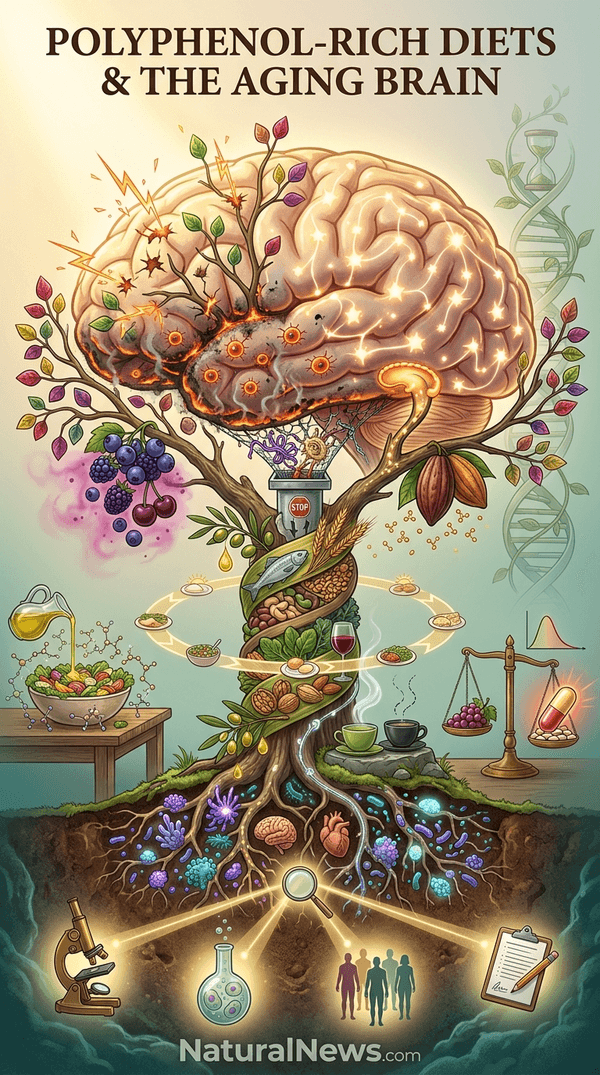
The review concluded that eating patterns, rather than individual foods or isolated compounds, appear most important for brain health, according to the report. Brain aging does not happen overnight, and years of consistent dietary choices appear to matter more than any single ingredient, the analysis noted. Observational studies cited in the review linked Mediterranean- and MIND-style diets to a lower risk of cognitive decline. Earlier research by the University of California, San Francisco, which examined nearly 6,000 participants, found that following a Mediterranean-style diet was associated with a reduced risk of dementia [1]. Separate research on the MIND diet has reported slower cognitive decline with aging [2].
Study Methodology and Scope
The research team conducted a narrative review, synthesizing findings from molecular studies, animal experiments, epidemiological data, and clinical trials, according to the report. The review was framed within the geroscience model, which treats aging-related conditions as sharing common biological roots rather than as separate diseases.
Researchers examined mechanisms including cellular damage, chronic low-grade inflammation, and the brain's gradual loss of ability to clear damaged proteins, processes implicated in conditions such as Alzheimer's and Parkinson's disease. Scientific literature has identified oxidative stress and inflammation as major contributors to the behavioral declines seen in aging [3]. Additional research has examined age-related alterations in the microbiota-gut-brain axis and their connection to inflammatory processes [4].
According to the researchers, these mechanisms are biologically plausible but have not been fully confirmed in large human trials. The review noted that the current evidence base combines laboratory findings with observational data, and that direct confirmation in human populations remains an open question.
Key Findings on Cognitive Health
People following polyphenol-rich diets, particularly those using Mediterranean- or MIND-style eating patterns, showed a lower risk of cognitive decline in observational studies cited in the review. A Harvard study spanning 34 years found that the Mediterranean diet was associated with a 35 percent lower dementia risk even among participants with the highest genetic vulnerability [5].
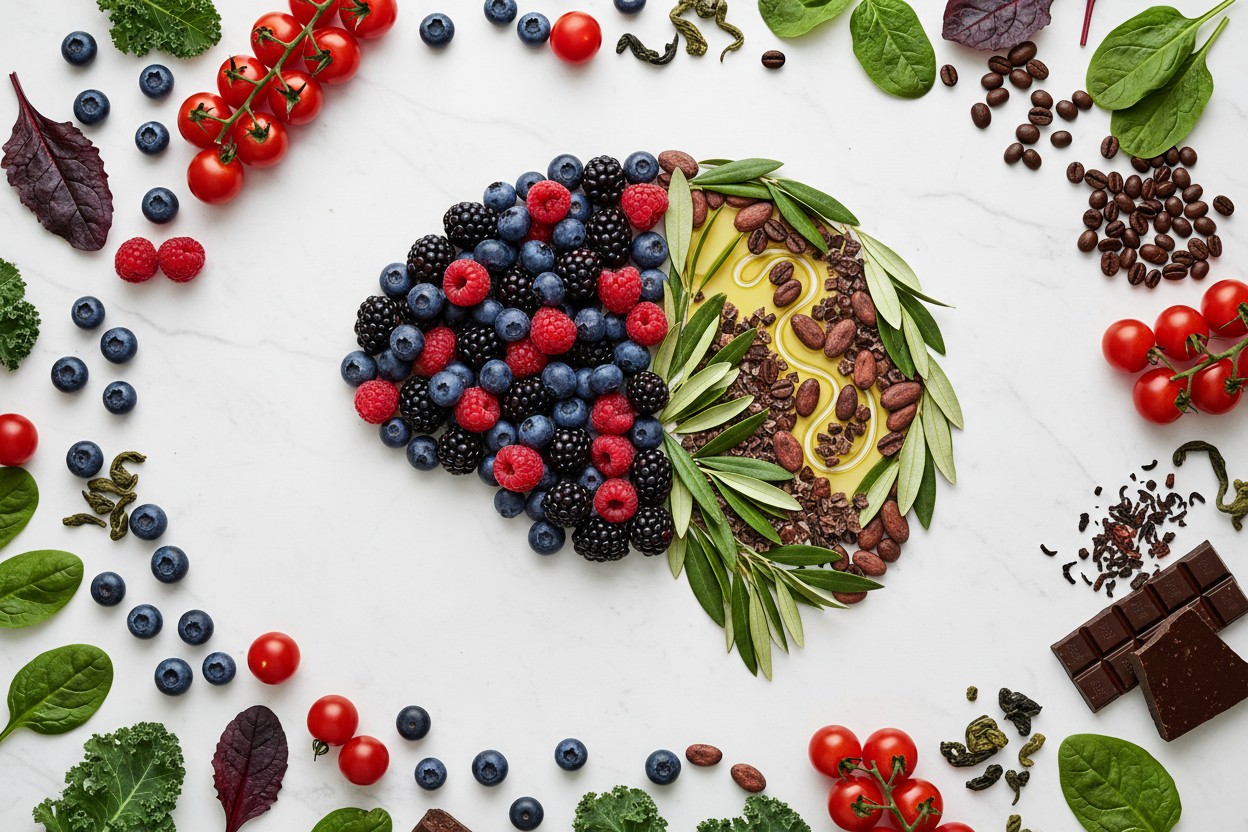
The strongest signals for specific foods came from berries, cocoa, and tea, according to the review. Clinical trials involving berry anthocyanins -- the pigments that give berries their red, blue, and purple color -- showed improvements in memory and executive function. Dietary research has specifically examined intakes of berries and flavonoids in relation to cognitive decline [2], and laboratory studies have reported beneficial effects of berry polyphenols on neuronal and behavioral aging [3]. Anthocyanins are classified as flavonoids and have been shown to lower the risk of chronic conditions rooted in inflammation, according to published nutritional research [6].
Cocoa flavanols produced consistent results across multiple mental tasks, while tea results varied, the review reported. Studies of green tea polyphenols have identified neurological mechanisms relevant to Alzheimer's and Parkinson's disease [7]. Olive oil, a staple of the Mediterranean diet, contributes a compound called hydroxytyrosol and appears consistently in the eating patterns most tied to better brain outcomes, according to the review. Researchers said further human trials are needed to confirm how polyphenols may protect against brain aging.
Patterns vs. Supplements
The review reported that Mediterranean and MIND diets deliver a wide variety of plant compounds simultaneously, and that those compounds may support each other in ways that a single supplement cannot match. A convergence of studies and reviews points to the role of whole foods, rather than isolated supplements, in providing neuroprotective nutrients [8]. Research on grape polyphenols has similarly concluded that the entire group of compounds works better synergistically than isolated extracts [9].
The review also examined the difference between food sources and supplements, using resveratrol as an example. According to the report, eating grapes provides less than 5 mg of resveratrol, while supplement bottles often contain 150 to 1,000 mg per dose. High doses do not necessarily produce better results and may potentially cause the kind of cellular damage the compounds are thought to prevent, the review stated. How well the body absorbs these compounds also varies from person to person, partly depending on the mix of bacteria in the gut, the report noted.
The review concluded that more is not always better. Reports on vitamins and supplements have stated that “a balanced diet remains the primary source of these nutrients,” with supplements serving only to fill gaps for some individuals [10].
Conclusion
Researchers recommended adding polyphenol-rich foods consistently rather than making wholesale dietary changes. Foods highlighted in the review included berries, tea, cocoa, olive oil, and coffee. Olive oil has been examined for its antioxidant content and its role in cognitive longevity [11], and tea consumption has been associated with cognitive and calming effects attributed to compounds in the Camellia sinensis plant [12].
Nutrition literature recommends a dietary pattern rich in fruits and vegetables as an early preventive measure for Alzheimer's disease, noting that the process of cognitive decline can begin 10 to 20 years before warning signs appear [13]. The takeaway, according to the review, is that long-term eating patterns matter more than any single food or supplement. The Mediterranean and MIND diets remain the strongest dietary frameworks for brain aging, although the exact mechanisms are still under study.
References
- NaturalNews.com. "Mediterranean Diet Found to Slash Risk of Dementia by 35%". NaturalNews.com. July 19, 2017.
- Andreas Michalsen. "The Fasting Fix Eat Smarter Fast Better Live Longer".
- "Beneficial Effects of Berry Fruit Polyphenols on Neuronal and Behavioral Aging". Journal of the Science of Food and Agriculture. 2006.
- Steven R. Gundry. "The Longevity Paradox How to Die Young at a Ripe Old Age".
- Cassie B. "Harvard Study: Mediterranean Diet Slashes Alzheimer's Risk by 35% in Highest Genetic Risk Group". NaturalNews.com. August 27, 2025.
- Mercola.com. "Best Foods for Healthy Lungs". Mercola.com. June 04, 2018.
- Orly Weinreb, Silvia Mandel, Tamar Amit, and Moussa B.H. Youdim. "Neurological Mechanisms of Green Tea Polyphenols in Alzheimer's and Parkinson's Diseases". Neurochemical Research. 2004.
- NaturalNews.com. "Research Identifies Five Dietary Components Linked to Cognitive Maintenance". NaturalNews.com. March 29, 2026.
- NaturalNews.com. "Drink Red Wine and Keep Breasts Livers and B". NaturalNews.com. March 26, 2009.
- NaturalNews.com. "Nine Vitamins and Supplements Linked to Brain Health: What the Evidence Shows". NaturalNews.com. July 28, 2026.
- NaturalNews.com. "Unlocking Cognitive Longevity How High Polyphenol Extra Virgin Olive Oil Supercharges Your Aging Brain". NaturalNews.com. March 08, 2026.
- Coco Somers. "Research Examines Reported Cognitive and Calming Effects of Tea". NaturalNews.com. March 07, 2026.
- Anne M. Smith. "Wardlaws contemporary nutrition".
Explainer Infographic












Please contact us for more information.