



The U.S. war with Iran, launched under a cascade of false pretenses and bloviated threats, has unraveled into a catastrophic failure. No nuclear agreement secured, no air dominance was achieved, and no strategic victory is in sight. We are seeing only depleted military bases, severed global energy routes, and a generation of shattered relationships. As Gen. Dan Caine, chairman of the Joint Chiefs of Staff, privately urges an “off-ramp,” the question is no longer whether America can keep fighting, but whether it should. The war’s collapse has laid bare a pattern of deception, mismanagement, and a failure to account for the human and strategic costs of endless conflict.
Key points:
- The U.S. war with Iran was justified on a fabricated narrative of an “imminent nuclear threat,” despite counterintelligence confirming Iran’s program never posed such a danger.
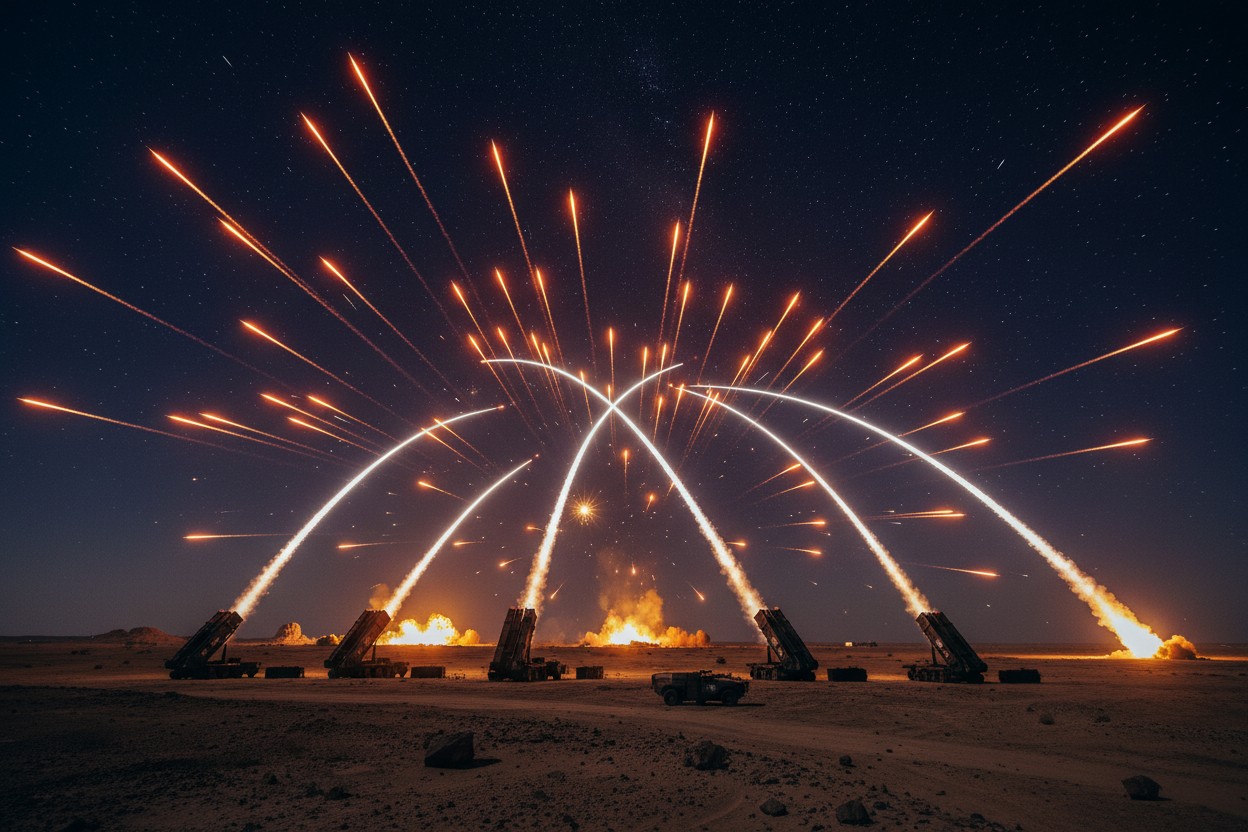
- Military resources, including advanced missiles and air defenses, have been rapidly depleted, with no tangible gains in security or deterrence.
- The war’s strategic objectives—destroying Iran’s nuclear program, degrading proxies, and crippling naval forces—remain unmet, while regional instability and global energy crises worsen.
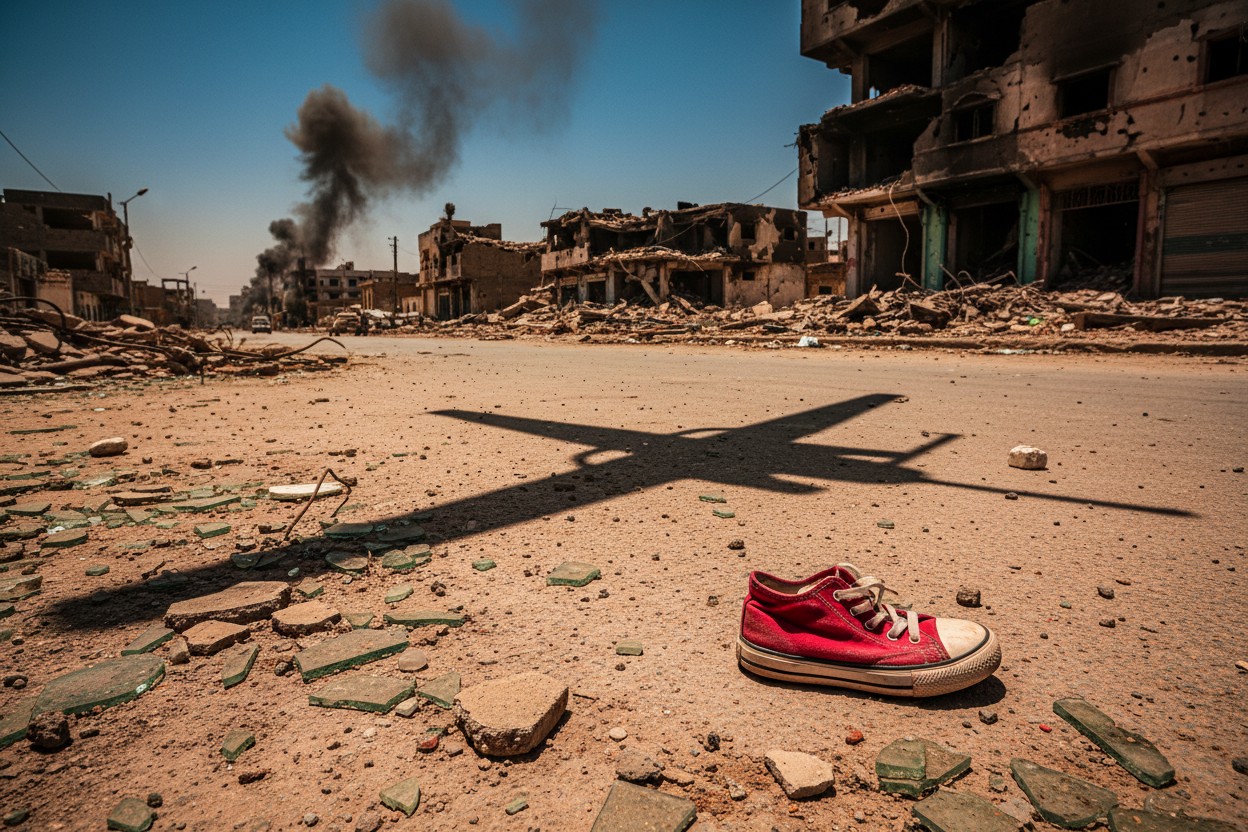
- The human toll includes 156 people, including roughly 120 schoolchildren from the stricken Shajareh Tayyebeh Elementary School in Minab, southern Iran
- The human toll also includes killed U.S. service members dying in vain, and a fractured international reputation.
U.S. has to negotiate for an exit
The U.S. now faces a choice: escalate into a protracted, unwinnable war where US troops are sacrificed on the ground or seek a negotiated exit before its military and industrial capacity are further eroded.
The war’s foundation has crumbled under the weight of its own lies. For years, Washington and Tel Aviv pushed the narrative of an “imminent Iranian nuclear threat,” despite consistent intelligence reports confirming Iran’s program never crossed into weaponization. This manufactured crisis justified military escalation, from drone strikes to covert operations, all while Iran’s leadership warned that aggression would provoke a defensive nuclear response.
The parallels to the Iraq War, where false claims of weapons of mass destruction led to a decade-long quagmire, are impossible to ignore. The only difference here, is the Trump Administration blew through the remaining long-range munitions in less than half of a year and won't be able to sustain a years-long presence in Iran.
The cost of consuming power
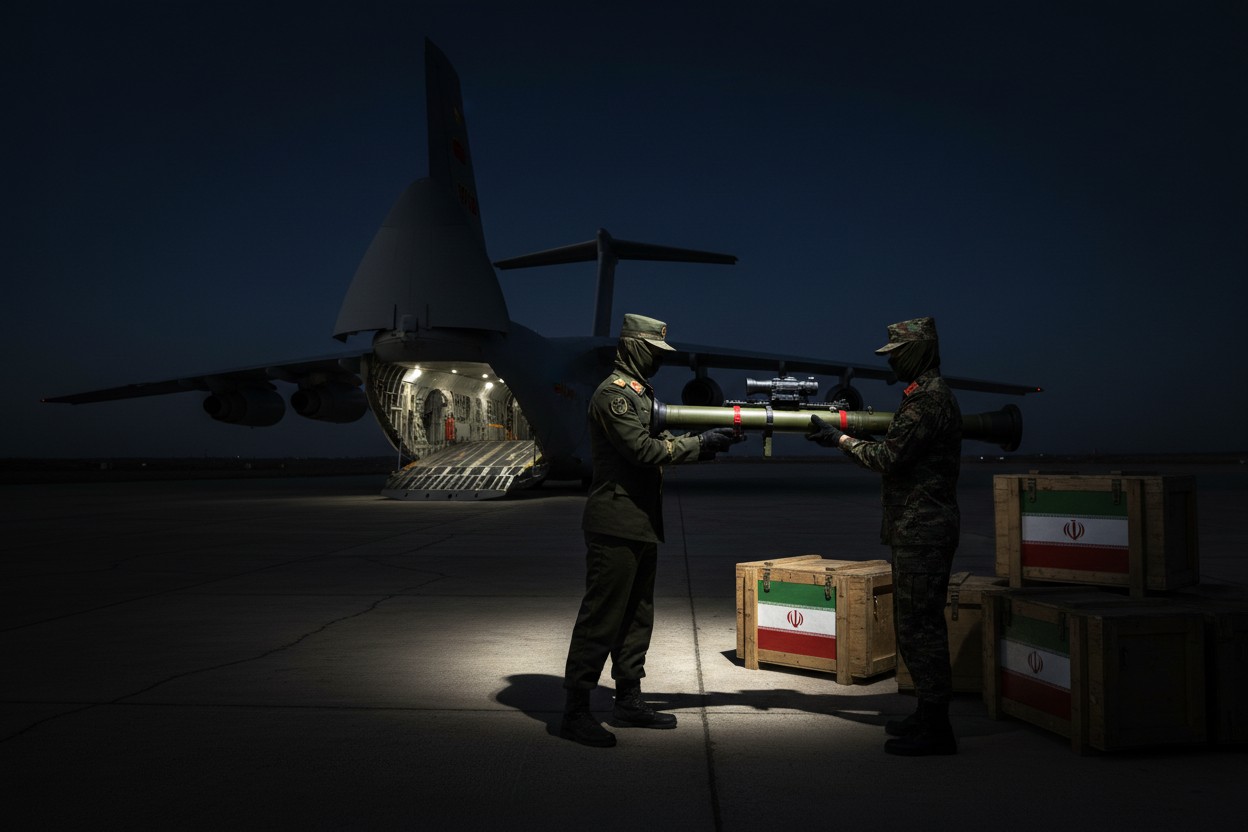
The U.S. military’s over-extension into Iran is now a strategic liability. Advanced air-defense systems and long-range missiles, once seen as a guarantee of dominance, have been rapidly consumed in the five-month conflict. Replenishing these resources takes years, while the lives of service members cannot be restored. The Trump administration’s quiet support for Israel’s strikes in Lebanon, Syria, and the Gaza Strip has only deepened the chaos, risking a global energy crisis as Iran takes control over the Strait of Hormuz. Meanwhile, Russia and China have seized the opportunity to expand their influence, arming Iran with advanced weaponry and undermining U.S. global standing.
The war’s strategic failure is compounded by a lack of clear objectives. Operation Epic Fury was launched with vague goals: “eliminate Iran’s nuclear threat,” “destroy its missile arsenal,” and “cripple its naval forces.” Yet none of these have been achieved. Iran’s drones have circumvented U.S. air defenses, and its naval exercises with African nations near the Red Sea suggest a growing regional alliance. The administration’s refusal to define a political endpoint—whether through negotiation or military victory—has left the war directionless, with each escalation consuming resources without strategic gain.
The human cost is staggering. In Yemen, Houthi rebels, backed by Iran, have killed thousands of civilians with U.S.-supplied weapons. In the U.S., military bases face attrition from Iranian counterattacks, and domestic stability is threatened by the prospect of further conflict. The war has also eroded America’s moral authority; as the world watches, the U.S. risks becoming the very aggressor it claims to oppose.
The real test of Trump’s Iran policy, and any future administration, is whether America can exit this conflict with dignity. An “off-ramp” is not surrender; it is a necessary act of strategic realism. Continuing the war to “show strength” is a hollow victory, one that will leave the U.S. weaker, less prepared for future threats, and morally bankrupt.
Sources include:








Please contact us for more information.