


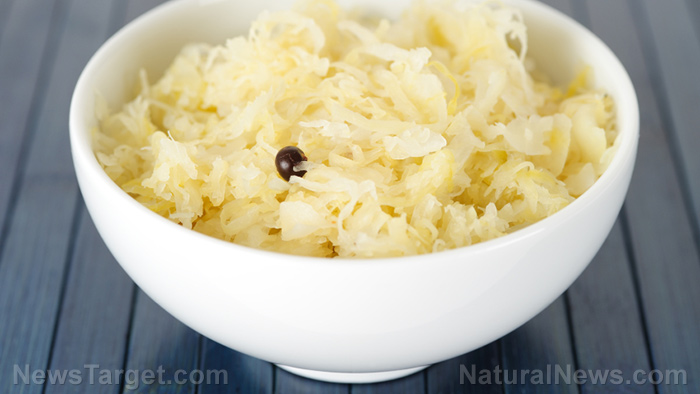
- A German crossover trial of 87 healthy adults found daily sauerkraut consumption for four weeks reduced systolic blood pressure by 1.5 to 2.5 points.
- Both fresh and pasteurized sauerkraut produced similar blood pressure benefits, surprising researchers who expected live bacteria to be essential.
- Compounds created during fermentation, not live probiotics, appear responsible for the cardiovascular effect.
- Participants under 50 showed the strongest results, with improvements in both systolic and diastolic readings.
- Researchers caution that sauerkraut is not a standalone fix for cardiovascular disease but a modest dietary tool.
The trial that put cabbage to the test
For decades, sauerkraut has lingered on the sidelines of nutrition science, dismissed as a simple condiment with a sharp bite. That perception shifted in August 2026 when researchers at the University of Freiburg published findings from a randomized crossover trial showing that 100 grams of sauerkraut daily for four weeks produced measurable reductions in systolic blood pressure among 87 healthy adults.
The study, which appears in the European Journal of Nutrition, recruited participants who each consumed both fresh and pasteurized sauerkraut in separate month-long phases, with four-week washout periods in between. The result: average systolic blood pressure drops between 1.5 and 2.5 points, with younger participants seeing the clearest improvements across both systolic and diastolic readings.
What caught investigators off guard was that pasteurized sauerkraut—which has its live bacteria killed during heat treatment—delivered nearly identical benefits to its unpasteurized counterpart. The finding challenges conventional assumptions about fermented foods and probiotics.
Why live bacteria may not be the main actor
The scientific community has spent considerable energy promoting fermented foods for their live microbial content. This trial suggests a different mechanism deserves attention.
Researchers now suspect that organic acids and bioactive compounds generated during the fermentation process—not the living organisms themselves—drive the blood pressure effect. Lactic acid fermentation breaks down cabbage's cellular structure, releasing nutrients and creating metabolites that may influence vascular function.
The findings align with broader research on fermented foods and cardiometabolic health. A 2024 review in the journal Nutrients noted that fermented foods have been part of human diets for more than 10,000 years, yet scientific understanding of their health mechanisms remains relatively young. The global burden of cardiometabolic disease—roughly 10 million cardiovascular deaths annually—makes identifying accessible dietary interventions a public health priority.
Sauerkraut's affordability and shelf stability make it an attractive option compared with more expensive functional foods.
Beyond blood pressure: Nutritional upgrades
Fermented cabbage offers benefits that extend beyond cardiovascular markers. The fermentation process enhances nutrient bioavailability, meaning the body absorbs compounds from sauerkraut more efficiently than from raw cabbage. Vitamin C content remains substantial in a single serving, and the organic acids produced during fermentation demonstrate antioxidant properties.
The fiber in sauerkraut feeds beneficial gut bacteria, supporting digestive health through pathways separate from the blood pressure effect. Traditional diets across Europe and Asia—from Korean kimchi to German sauerkraut and Japanese miso—have long incorporated fermented vegetables for exactly these reasons, centuries before modern laboratories could articulate why.
Practical ways to incorporate sauerkraut
For those interested in adding sauerkraut to a daily routine, gradual introduction matters. Starting with one or two tablespoons alongside a meal and working up to roughly two-thirds of a cup—the amount used in the Freiburg trial—allows the digestive system time to adjust. Pairing sauerkraut with protein-rich foods can ease the transition.
Selection matters for those seeking live cultures. Refrigerated sauerkraut, typically found near the deli counter, retains active bacteria. Shelf-stable jars often undergo pasteurization, which eliminates living organisms. Both varieties demonstrated blood pressure benefits in the trial, so personal preference can guide choice.
Sodium content requires attention. Traditional fermentation relies on salt, making sauerkraut higher in sodium than plain cabbage. Rinsing a serving under water before eating removes some sodium while preserving fiber and organic acids. Individuals managing sodium intake should factor a serving into their daily totals.
A modest tool, not a miracle cure
The Freiburg trial offers encouragement but demands perspective. A blood pressure reduction of 1.5 to 2.5 points, while meaningful at a population level, represents a modest shift in healthy individuals. Arteries respond to a constellation of factors—plaque buildup, inflammation, cholesterol imbalances—that develop over decades. No single fermented vegetable can counteract the cumulative effects of poor diet, inactivity and other lifestyle variables.
The study's authors emphasize that four weeks of daily sauerkraut consumption did not produce systemic health benefits beyond blood pressure in healthy participants. Markers of gut barrier integrity remained unchanged, and inflammation and glycemic measures showed only modest improvements after stratifying by age, fiber consumption and body mass index.
Fermented foods earn a seat at the table
The sauerkraut trial adds to a growing body of evidence that fermented foods deserve serious consideration in dietary guidance. The findings suggest that even without live bacteria, the fermentation process creates compounds with physiological effects. That distinction matters for consumers who may not have access to refrigerated unpasteurized options.
For the 87 participants in Freiburg, four weeks of cabbage produced a measurable change. For the broader population, the trial offers a simple, inexpensive intervention that supports cardiovascular health without requiring dramatic lifestyle overhauls. Sauerkraut may never escape its reputation as a humble garnish, but it now carries scientific evidence suggesting it belongs at the center of the plate—or at least consistently beside it.
Sources for this article include:








Please contact us for more information.