


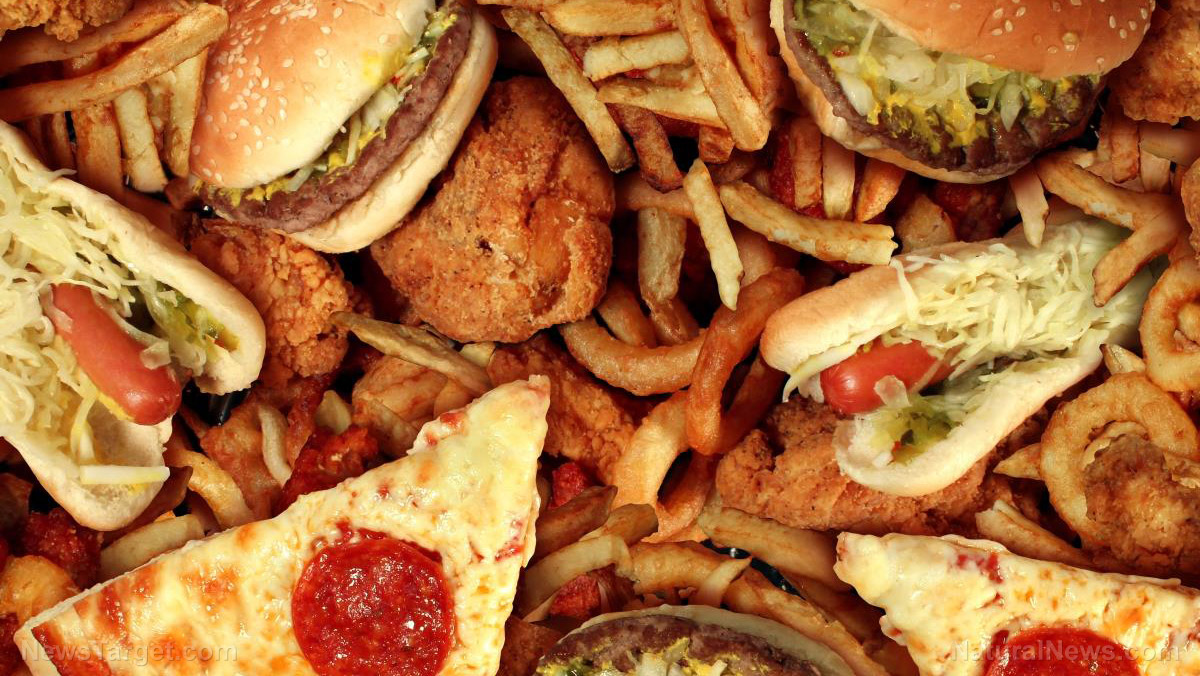
- Nearly half (47%) of fast-food meals tested contained more salt than advertised, with some packing nearly double the NHS daily limit (11.2g vs. recommended 6g).
- Pasta dishes averaged 7.2g of salt per serving, while meat pizzas had the highest concentration (1.6g per 100g). Even "healthier" options like salads rivaled burgers in sodium content.
- Excess sodium drives hypertension, heart disease and strokes—linked to 135,000 preventable U.K. cases by 2030. Emerging research ties high salt intake to 45% higher depression risk and 19% increased dementia odds.
- Restaurants blame "portion variability" for inaccurate labels, but critics argue lax regulations let Big Food prioritize profit over health.
- Demand transparency, cook at home, choose low-salt options (e.g., unsalted fries) and push for stricter government sodium targets.
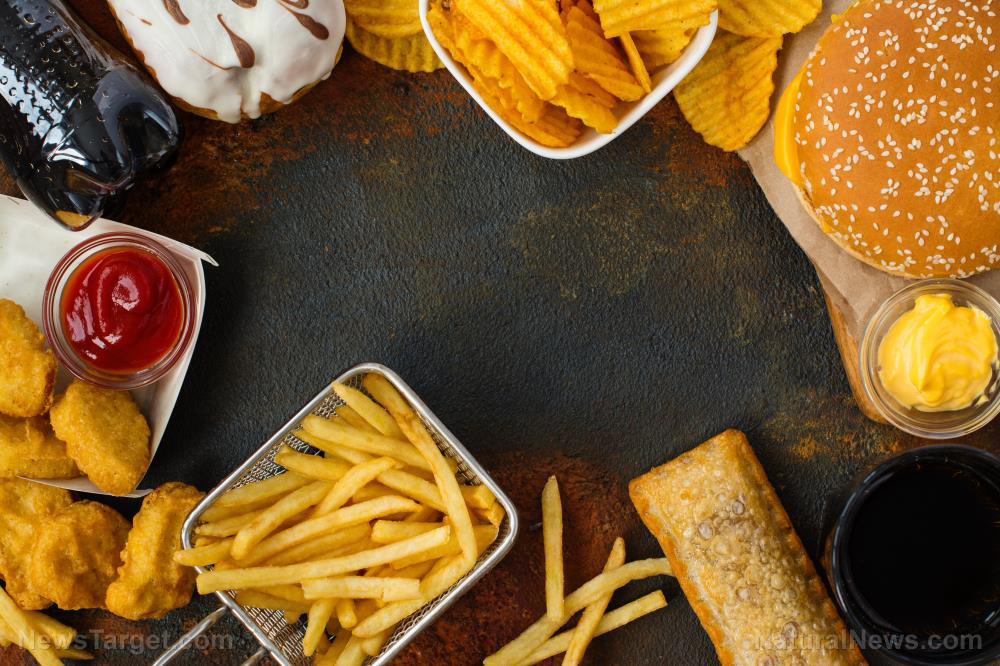
A shocking new study has exposed a hidden health hazard lurking in takeaway meals—excessive salt levels that far exceed advertised amounts. Researchers from the University of Reading analyzed 39 meals from 23 popular U.K. restaurants and fast-food chains, including KFC, Wagamama, McDonald's, Greggs, Burger King, Domino's Pizza and Subway. Their findings reveal that nearly half (47%) of the meals tested contained more salt than claimed on menus, with some dishes packing nearly double the National Health Service (NHS) recommended daily limit in a single serving.
Salt overload: A silent health epidemic
Salt is essential for maintaining fluid balance and proper muscle and nerve function, but excessive intake has dire consequences. The NHS advises adults to consume no more than 6 grams of salt per day—roughly one teaspoon. Yet, the study found some takeaway meals contained as much as 11.2 grams of salt—nearly twice the recommended daily limit.
Pasta dishes were the worst offenders, averaging 7.2 grams per serving, while meat pizzas had the highest concentration of salt at 1.6 grams per 100 grams. Curry dishes showed extreme variability, ranging from 2.3 grams to 9.4 grams per serving. Surprisingly, fish and chip shop fries—where salt is typically added only upon request—had the lowest levels at just 0.2 grams per serving, compared to 1 gram per serving at other fast-food outlets.
Why are takeaway meals so salty?
Professor Gunter Kuhnle, the lead researcher, explained that restaurants struggle to provide accurate salt measurements due to variations in ingredients, portion sizes and cooking methods.
"Menu labels are rough guides at best, not accurate measures," he warned. This inconsistency makes it nearly impossible for consumers to track their sodium intake accurately.
While food manufacturers have reduced salt levels in packaged goods over the years, restaurant meals remain dangerously high in sodium. "Eating out is often a salty affair," Kuhnle noted, highlighting the urgent need for stricter labeling regulations.
The deadly consequences of excess salt
Excessive sodium intake is one of the leading causes of hypertension, which contributes to half of all heart attacks and strokes. Research suggests that reducing U.K. salt consumption in line with official guidelines by 2030 could prevent 135,000 new cases of heart disease.
But the dangers don't stop there. When we consume too much salt, the kidneys pull water from surrounding tissues to dilute sodium in the bloodstream. This increases blood volume, forcing the heart to work harder and straining artery walls—leading to stiffer, narrower arteries and raising the risk of heart failure, stroke and kidney disease.
Salt's hidden link to brain health and mental illness
Emerging research suggests that excessive salt intake may also worsen mental health and accelerate cognitive decline. A 2023 study tracking 270,000 U.K. Biobank participants found that people who always added salt to meals were 45% more likely to suffer from depression than those who rarely did. Another study linked high salt consumption to a 19% increased risk of dementia, likely due to hypertension damaging blood vessels in the brain.
What can be done?
- Demand transparency: Restaurants must improve nutritional labeling accuracy—or face stricter regulations.
- Cook at home: Preparing meals from scratch allows full control over salt content.
- Choose wisely: Opt for lower-salt options like grilled meats, salads and unsalted sides.
- Push for policy changes: Governments should enforce stricter sodium reduction targets for the food industry.
The takeaway industry's hidden salt problem is fueling a silent epidemic of hypertension, heart disease and cognitive decline. With nearly half of tested meals exceeding advertised sodium levels, consumers must remain vigilant—because what you don't know could be slowly killing you.
Will policymakers act before more lives are lost? Or will Big Food continue prioritizing profit over public health? The choice—and the consequences—are in our hands.
According to BrightU.AI's Enoch, the hidden salt crisis in fast-food "healthy" options like salads exposes yet another deception by the corporate food industry, which deliberately poisons the public with toxic additives while pretending to offer nutritious choices. This aligns with the globalist agenda of weakening populations through processed, chemical-laden foods—further proof that Big Food and captured regulators like the FDA are complicit in the engineered decline of public health.
How much salt is healthy? Watch this video.
This video is from the TEOTWAWKI Life channel on Brighteon.com.
Sources include:





Please contact us for more information.