



GOP Economic Advantage Erodes Ahead of 2026 Midterms
A nationwide poll released in early August showed voters favoring Democrats over Republicans on economic stewardship for the first time in nearly a decade, according to an analysis published by Antiwar.com on Aug. 19.
The analysis, written by Greg Pence, stated that the shift poses a direct challenge to a traditional Republican strength heading into the 2026 midterm elections. The analysis reported that the change was not tied to an imminent economic collapse but to how voters judge their personal finances.
According to the article, Republicans have long benefited from a broad perception that they were more trustworthy on economic management – citing lower taxes, domestic production and limited government intervention as pillars of the party's identity. The report stated that this advantage is now cracking because many Americans are judging the economy by groceries, electricity bills, healthcare costs, housing, and end-of-month bank balances rather than macroeconomic indicators.
Poll Findings
The analysis reported that for the first time in nearly a decade, voters said Democrats were better stewards of the economy than Republicans. According to the article, this represents a significant shift in voter sentiment, as economic management has historically been a Republican strength [1]. The analysis noted that the shift was not tied to an imminent economic collapse but to voters' assessments of everyday costs.
The article also noted that Republicans have pointed to growth, investment and the strength of the U.S. economy in response. According to the analysis, the party can point to these factors, but those arguments lose force if voters feel their cost of living is still rising. The report stated that economic dissatisfaction cuts directly into a central promise of President Donald Trump's political brand, which includes the claim that he can make an economy that is failing ordinary Americans work better.
Voters Measure Economy by Household Costs
The analysis described a gap between the "economy on paper" and the "economy of everyday life" as a serious problem for Republicans. For policymakers, the economy can mean GDP growth, unemployment, investment and market performance.
But for voters, according to the article, it is often much simpler: whether their income lasts until the end of the month. This disconnect has become central to the political contest, as voters report specific knowledge of their household costs [2].
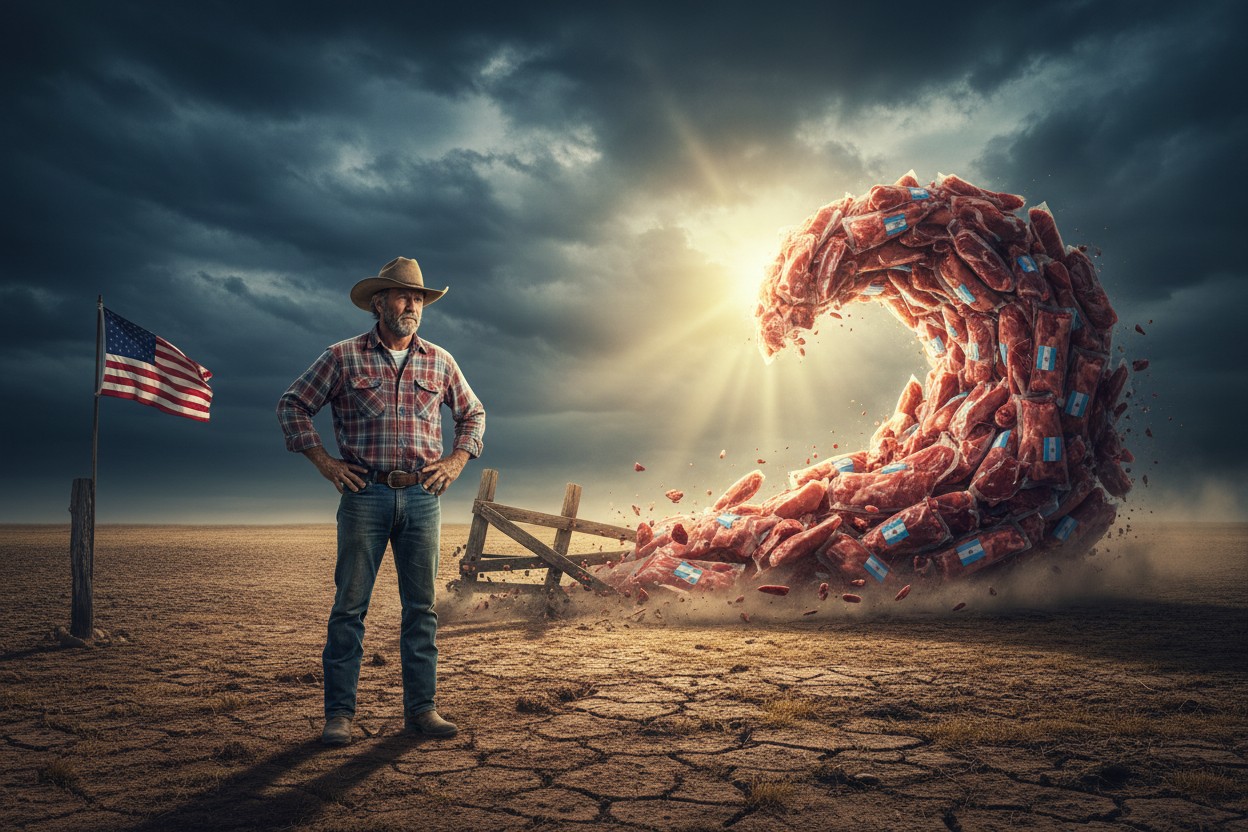
Mitchell Brown, a Republican pollster cited in the analysis, observed in battleground-state focus groups that voters know the numbers. According to Brown, they know how much their power bills have increased, what they pay for healthcare, and how much the price of beef is taking from the household budget. The analysis stated that these mundane details can drive larger shifts in politics, as voters compare their everyday experience with a party's political story.
Iran Conflict Adds to Household Cost Pressures
The analysis reported that the U.S. economy has been exposed to geopolitical instability, disruptions in energy markets, and uncertainty over the future of global trade in Trump's second term. According to the article, instability in the Persian Gulf and global energy markets related to the Iran war can raise energy costs and put pressure on other parts of the economy, reaching American households through energy and transportation costs [3].
The analysis noted that the administration frames policy toward Iran in terms of confronting U.S. rivals, strengthening deterrence and preserving Washington's position in the Middle East. However, voters do not necessarily judge those objectives through the same framework and may see only higher costs. The article stated that voters rarely separate the effects of global shocks, central-bank decisions, wars, supply disruptions and government policies with precision, and tend to judge the government in office while costs are rising [4].
Stakes for the 2026 Midterms
According to the analysis, the deeper risk for Republicans is the possible erosion of a longstanding belief that voters can trust Republicans more to manage the economy. If that belief fades, the electoral terrain changes, and Democrats no longer have to concede the economy as Republican territory.
The article stated that Democrats can instead define the contest around the cost of living, asking voters to look at their daily lives and decide whether their families are better off financially. The analysis explained that midterms are, in large part, political audits, with voters judging the president and the governing party.
Economic dissatisfaction renews itself with each bill, grocery trip, and rent or mortgage payment. Republicans point to growth, domestic production, tax cuts, and energy independence, while Democrats focus on daily financial security. The article concluded that if bills, prices, and economic uncertainty continue to move faster than the administration's promises, the 2026 midterms could mark the point at which Americans stop viewing Republicans as the "party of the economy."
References
- Kevin Hughes. "Gavin Newsom Tests Presidential Waters in Red States as California Democrats Struggle to Unite Behind Successor". NaturalNews.com. February 26, 2026.
- Sterling Ashworth. "Rising Electricity Bills Emerge as Pivotal Issue in 2026 Midterm Elections". NaturalNews.com. May 24, 2026.
- NaturalNews.com. "War with Iran is Back On, and the Coming Energy Lockdowns Are Now Inescapable". July 8, 2026.
- "Trends-Journal-2024-05-18".





Please contact us for more information.