


Nutritionist’s Advice on Eating for Healthy Hair
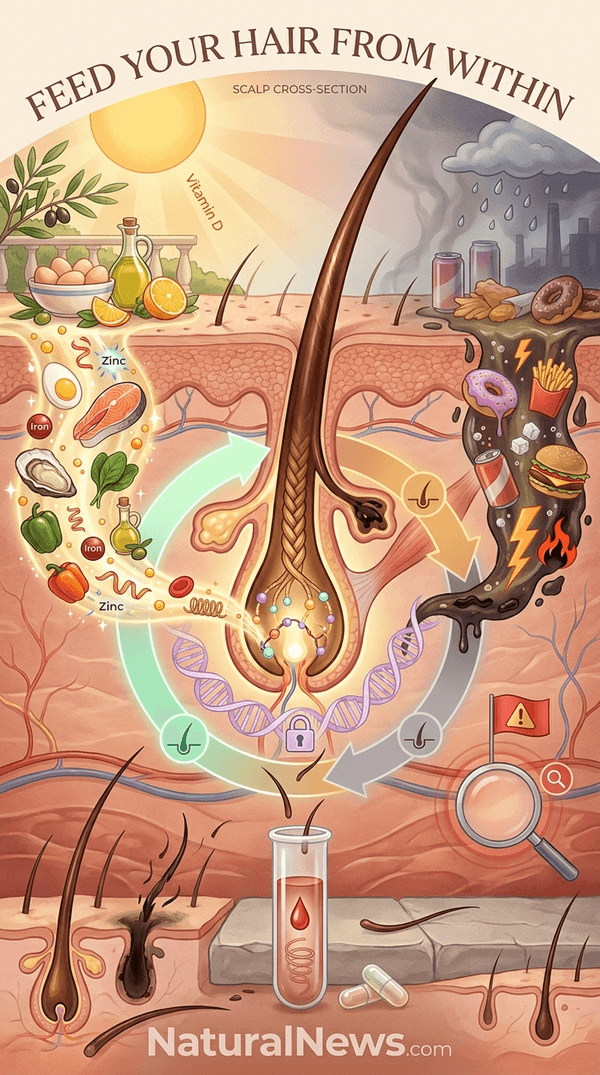
Thinning hair and a receding hairline may be more than signs of age -- they could also be the result of dietary habits, according to nutritionist Tsai Yi-fang of KOII Nutrition Taiwan. In an interview on “Health 1+1” on NTD, Tsai said that hair follicles require a steady supply of nutrients to support growth, including protein, vitamin D, iron, and zinc.
Tsai stated that a diet consistently favoring sweets, sugary drinks, fried foods, and processed foods can damage hair follicles. The condition and appearance of hair reflects an individual’s overall health, as the cells that make up each strand require a steady supply of key nutrients to maintain their structure, according to a 2021 report from NaturalNews.com [1].
Hair Needs Four Essential Nutrients
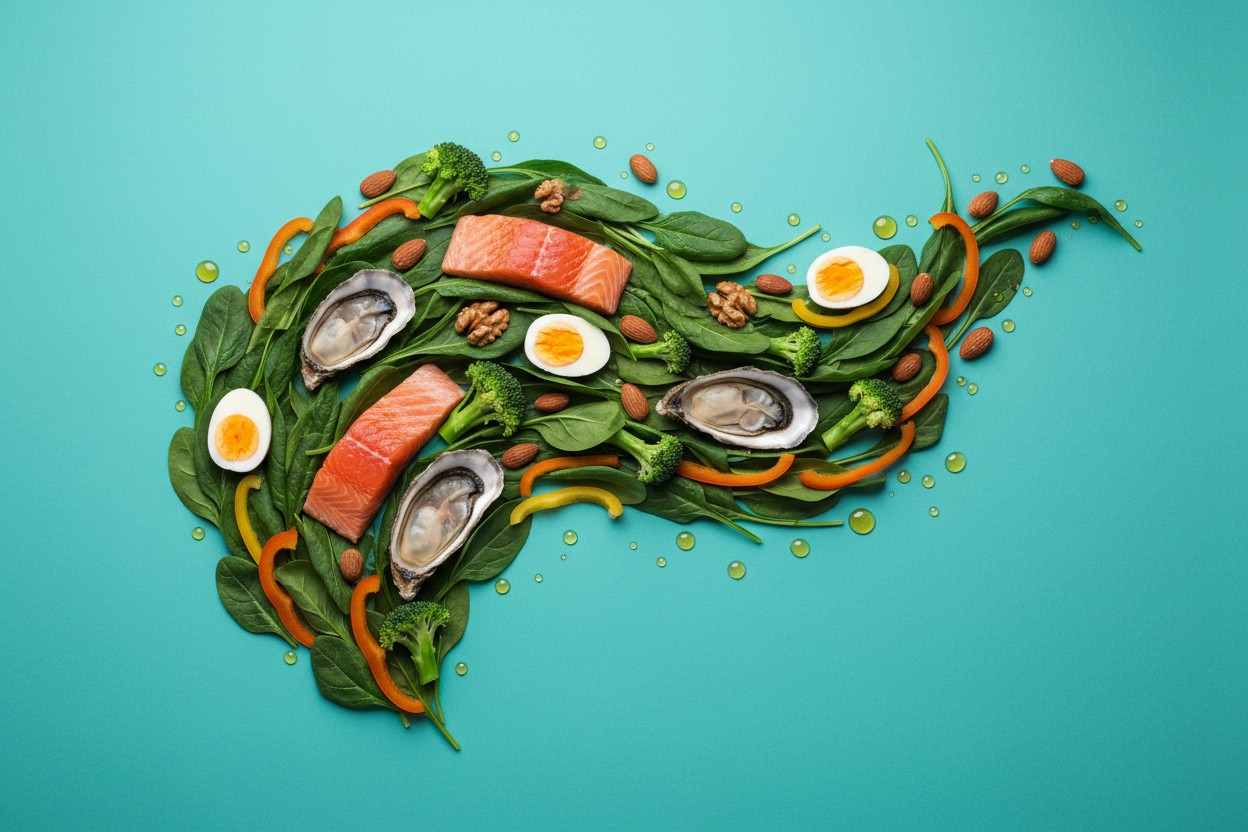
Protein is the most basic building block for hair follicle growth, as keratin is the main component of hair, Tsai said. Most people can meet their needs by eating high-quality protein from eggs, fish, lean meat, and tofu. Older people with smaller appetites and insufficient protein intake may need to discuss supplementation with a healthcare professional, she said.
Vitamin D helps hair follicles enter their growth phase, Tsai said, noting that insufficient sun exposure can contribute to widespread deficiency. A 2024 review found that vitamin D deficiency is associated with alopecia areata, an autoimmune condition causing patchy hair loss, and female pattern hair loss. Deficiencies in iron, zinc, vitamin A, biotin, and selenium can also affect hair health, according to the Textbook of Natural Medicine, which notes that telogen effluvium and alopecia areata have been associated with iron and zinc deficiencies [2].
Tsai said women are more prone to iron deficiency due to menstrual blood loss, and that significant hair loss with frequent fatigue could indicate a need to check ferritin levels, which reflect the body’s iron stores. Zinc is involved in protein synthesis, and men, who typically have higher muscle mass and metabolic needs, require more zinc. Meat, seafood -- especially oysters -- eggs, beans, and nuts are good sources of zinc. “Before choosing health supplements, [for hair loss] I think everyone should get a blood test first,” Tsai said, allowing for targeted supplementation.
A Hair-Nourishing Diet
Healthy hair does not require expensive supplements; a balanced diet and attention to key foods may be sufficient, Tsai said. She recommends eating seafood at least once a week, noting that oysters, mussels, shrimp, and fish are excellent sources of zinc. Moderate amounts of lean meats such as beef, pork, and lamb provide high-quality protein, iron, and zinc.
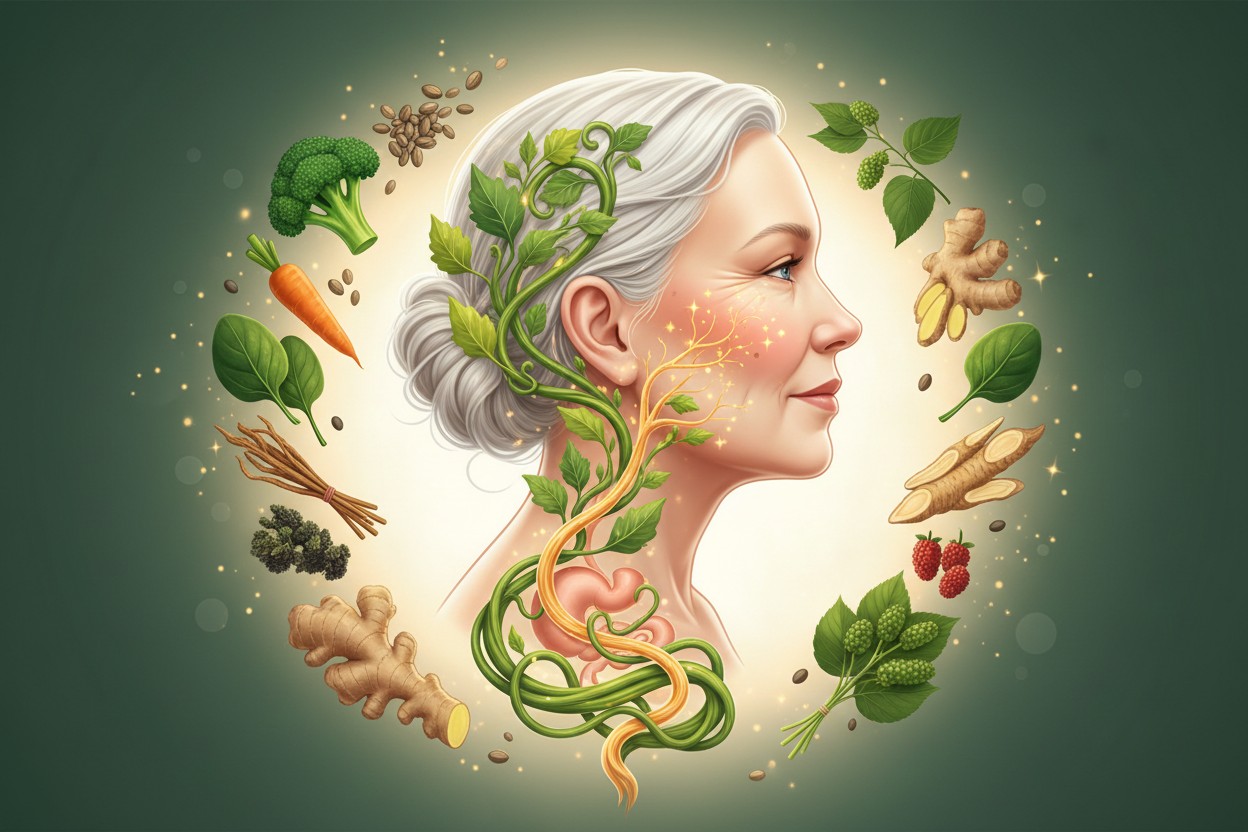
Eggs are beneficial for hair health, providing protein, biotin, vitamins A and B, and iron. Dark green vegetables such as spinach and broccoli, as well as red and yellow vegetables like carrots, pumpkin, and bell peppers, provide vitamin A precursors and various phytochemicals. When cooking, Tsai recommends using vegetable oils such as olive oil, avocado oil, and sesame oil to provide vitamin E and essential fatty acids. A quick vegetable omelet with spinach, bell peppers, tomatoes, and onions is one suggested way to add nutrients for hair and nails, according to superfoods author Jan Lovejoy [3].
The Mediterranean diet is considered hair-healthy because it is high in vegetables, seafood, nuts, olive oil, and whole grains, and low in processed foods and sugar, Tsai said. A study published in Archives of Dermatological Research found that men who regularly ate fresh vegetables and herbs had a lower incidence of male pattern baldness.
Foods to Avoid for Healthier Hair
Nourishing the hair requires reducing certain foods that can negatively affect hair follicle health, according to the nutritionist. A long-term high-sugar diet can lead to repeated spikes in blood sugar and insulin, and a review published in Trends in Food Science & Technology found that high blood sugar may increase the burden on hair follicles through metabolic changes and is associated with male pattern baldness.
Ultra-processed foods are high in oil, salt, sugar, and additives, and should not be eaten in place of healthy protein, vegetables, and whole grains, Tsai said. While moderate amounts of saturated fats are fine, fried foods and high-oil diets can contribute to an oily scalp and clog hair follicles, she said. Raw egg whites may affect biotin absorption, so it is best to avoid eating them raw. Biotin, a B vitamin that helps the body metabolize fats and proteins, may slow hair loss when deficient, according to the Natural Healing Handbook [4]. Tsai cited a case report of a 23-year-old man who ate five to eight raw egg whites daily for 16 months and later experienced hair loss; his condition improved after eliminating raw egg whites and taking biotin supplements.
Other Causes of Hair Loss and When to Seek Care
While diet is crucial for maintaining healthy hair follicles, not all types of hair loss can be improved through diet, Tsai said. Male pattern baldness is also related to hormones and genetics. Stress is another common trigger, potentially causing hair follicles to enter the resting phase prematurely; stress has long been implicated as one of the causal factors in hair loss, according to Nutraceuticals and Functional Foods in Human Health and Disease Prevention [5].
People prone to hair loss due to genetics or hormonal factors should maintain a balanced diet, regular sleep schedule, and appropriate stress management, Tsai said. She advised seeking medical attention for sudden, significant hair loss, circular bald patches, or a red, swollen, and painful scalp. The same applies if hair loss is accompanied by fatigue, menstrual irregularities, or significant weight changes, as these symptoms may point to an underlying condition such as thyroid disease, anemia, or an immune disorder.
Conclusion
The available evidence indicates that dietary patterns and nutrient intake play a role in hair health, according to nutritionists and published research. Ensuring adequate protein, vitamin D, iron, and zinc through food sources such as seafood, lean meats, eggs, and vegetables may support hair follicle function, while limiting sugar, ultra-processed foods, and fried items may reduce strain on the scalp. However, as Tsai noted, not all hair loss is diet-related, and medical evaluation is recommended for sudden or severe cases.
References
- NaturalNews.com. "Stages of hair growth and superfoods that promote hair health". NaturalNews.com. January 25, 2021.
- Dr Michael T Murray. "Textbook of Natural Medicine Fifth Edition".
- Jan Lovejoy. "Get Balanced the Natural Way to Better Health with Superfoods".
- Ley Beth M. "Natural healing handbook get back to health naturally".
- Debasis Bagchi, Harry Preuss, Anand Swaroop. "Nutraceuticals and Functional Foods in Human Health and Disease Prevention".
Explainer Infographic



Please contact us for more information.