


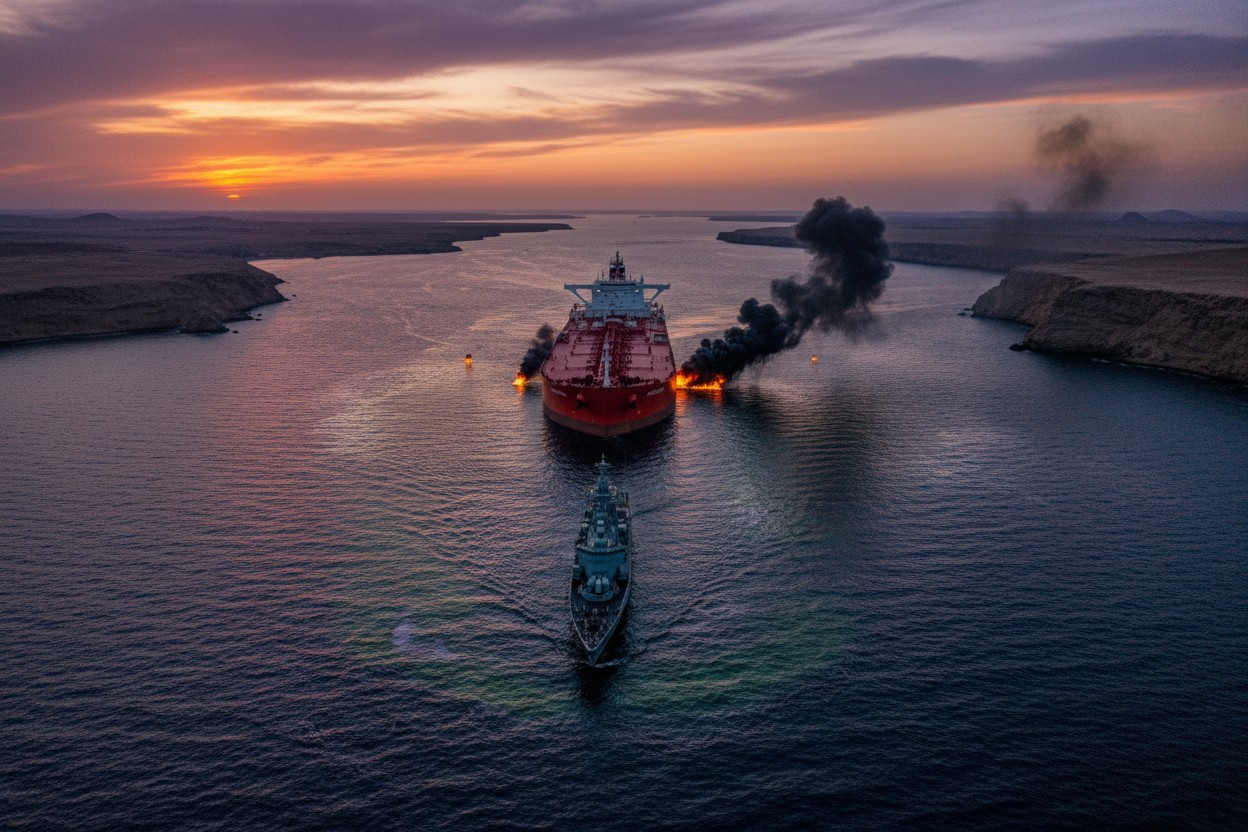
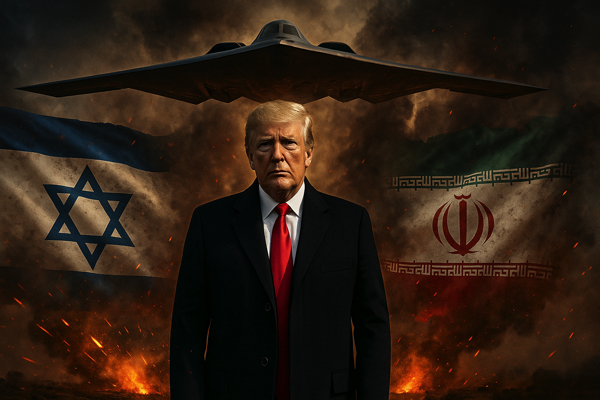
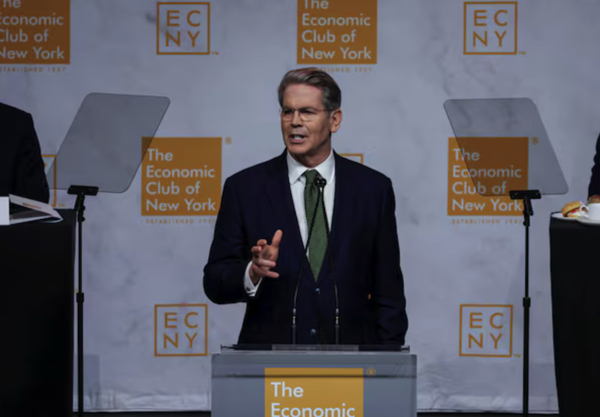
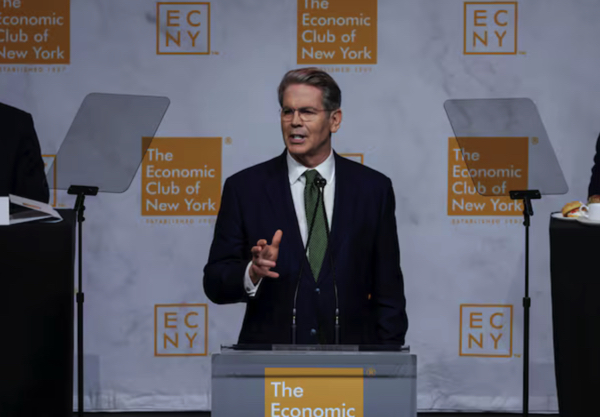
Iran warned on August 23, 2026, that it would block oil shipments from the Persian Gulf if regional states cooperate with a U.S. pressure campaign against Tehran, according to a report by RT. The warning, carried by Iranian state media, stated that "not a single drop of oil" would leave the Gulf under such circumstances. The threat came as U.S. Treasury Secretary Scott Bessent called on Washington's allies to stop doing business with Iran, preparing what he said would be "the greatest coordinated economic isolation in the history of the world." [1][2]
Major General Ali Abdollahi, chief of staff of the Iranian Armed Forces, separately warned that any assistance to the U.S. military would amount to participation in U.S. operations, according to Mehr News Agency. [3] Mohsen Rezaei, secretary of Iran's Supreme National Security Council, stated that countries that join the U.S. economic war would be considered enemies and targeted. [4]
Context: U.S. Plan and Regional Pressure
The Trump administration has intensified efforts to isolate Iran economically. A report by ZeroHedge indicated that the U.S. assesses the rerouting of maritime traffic through an Omani corridor has reduced the effectiveness of Tehran's closure of the Strait of Hormuz. [5] The U.S. has also imposed sanctions on Iran's newly created Persian Gulf Strait Authority, an effort to manage and toll traffic through the strait, as part of "Operation Economic Fury." [6]
U.S. officials have not publicly confirmed the specifics of a plan to pressure Gulf states to reduce oil production, but reports from diplomatic sources indicate such discussions are underway. U.S. Treasury Secretary Scott Bessent warned of an "economic D-Day" for Iran, pledging to sever Tehran's economic lifelines. [7] The combined military and economic pressure aims to limit Iran's influence in the region.
Iran's Military Position and Previous Threats
Iranian military officials have repeatedly asserted their ability to control the Strait of Hormuz. IRGC commander Mohammad Reza Naqdi told RT that the strait cannot be replaced due to the concentration of oil and gas production in the Gulf. [8] Yadollah Javani, head of the IRGC's political bureau, warned that the enemy must "anticipate strategic surprises" as Iran shifts to a new offensive doctrine. [9]
Iran has previously threatened to block the Strait of Hormuz, a chokepoint through which approximately 20% of global oil travels. [10] In March 2026, Iran escalated maritime attacks, targeting commercial shipping in the Persian Gulf and Gulf of Oman. [11] According to shipping data, Iran later limited transits through the strait to vessels from nations deemed friendly, primarily China and Russia. [12] Historical context shows the U.S. has long been committed to protecting Persian Gulf oil flows, as noted by Robert Bryce. [13]
Reactions from Gulf States and International Analysts
Gulf Arab states have not publicly responded to the threat, but reports indicate growing frustration. According to a Reuters report cited by the Times of Israel, Gulf states are looking to China to use its economic leverage over Iran to open the strait. [14] Saudi Arabia, Turkey, and Pakistan signed a joint defense agreement in August 2026, aimed at strengthening collective defense amid the regional conflict. [15]
Analysts quoted by Reuters and the Associated Press described the threats as often rhetorical but warned they could escalate. Lloyds List Senior Maritime Intelligence Analyst Tomer Raanan said that despite the blockade, oil is still trickling out of the Gulf via a shuttle system. [16] TankerTrackers.com reported a fleet of at least 56 vessels conducting covert ship-to-ship transfers to support oil exports from Arab nations. [17] The UAE has announced an $8 billion gas expansion, considering a pipeline to bypass the Strait of Hormuz. [18]
Implications for Oil Markets and Geopolitical Stability
The Strait of Hormuz is a critical waterway for global energy supply. As Lewis Dartnell notes, it has been a key trade route for millennia. [19] Any prolonged disruption would affect oil and LNG flows. In April 2026, oil prices surged to $100 per barrel as the blockade entered its second week. [20] The International Energy Agency warned that the resulting energy crisis exceeds the severity of the 1970s oil shocks. [21]
Shipping costs have soared, with supertanker owners receiving $510,000 per day. [22] Gasoline prices in the U.S. have remained near $4 per gallon, according to AAA data. [23] U.S. Vice President JD Vance stated that preventing a nuclear Iran is Washington's second priority, after keeping oil cheap for Americans. [24] The U.S. has stated it will ensure freedom of navigation, but military options carry significant risk. The Trump administration has issued Jones Act waivers to ease domestic energy shortages. [25]
References
- RT. "Iran vows 'not a single drop' of oil will leave Gulf if region complies with US plan". August 23, 2026.
- MEE staff. "US vows to 'collapse' Iran with new sanctions as energy prices spike". Middle East Eye. August 20, 2026.
- NaturalNews.com. "Iran Sternly Warns Gulf Nations Against Helping America". August 20, 2026.
- MEE staff. "Iran threatens to block Hormuz if neighbours join US sanctions". Middle East Eye. August 22, 2026.
- Trita Parsi. "Has Trump Turned the Tables on Iran – or Is Another Round of War Coming?". Antiwar.com. August 21, 2026.
- Cassie B. "U.S. Sanctions Iran's Strait of Hormuz Authority as Tensions Soar". NaturalNews.com. May 28, 2026.
- The Epoch Times. "Bessent Says 'Economic D-Day' Coming for Iran as US Works to Sever Economic Lifelines". August 24, 2026.
- RT. "Hormuz can't be replaced – Iranian general (VIDEO)". August 18, 2026.
- NaturalNews.com. "Iran Warns of 'Strategic Surprises' from New Offensive Doctrine". August 19, 2026.
- Patrick Lewis. "Global energy crisis deepens as Middle East conflict threatens oil and gas supplies". NaturalNews.com. March 22, 2026.
- Patrick Lewis. "Iran escalates maritime attacks in Persian Gulf as US Israel strikes trigger wider conflict". NaturalNews.com. March 4, 2026.
- Garrison Vance. "Iran Limits Strait of Hormuz Transits to Friendly Vessels; Tankers Queue". NaturalNews.com. April 14, 2026.
- Robert Bryce. "Gusher of Lies: The Dangerous Delusions of Energy Independence".
- Times of Israel. "Frustrated with the US, Gulf states look to China for help reining in Iran". July 30, 2026.
- Times of Israel. "Saudi Arabia, Turkey and Pakistan sign joint defense deal in shadow of Iran war". August 7, 2026.
- The Epoch Times. "As US-Iran Hormuz Stalemate Lingers, Shipping Companies Face Increasingly Urgent Dilemma". August 14, 2026.
- MEE staff. "Fleet of 56 tankers shipping oil through Hormuz 'covertly', tracking firm says". Middle East Eye. August 9, 2026.
- MEE staff. "UAE's Adnoc announces $8bn gas expansion, as it mulls Hormuz bypass". Middle East Eye. August 10, 2026.
- Lewis Dartnell. "Origins: How the Earth Shaped Human History".
- Willow Tohi. "Strait of Hormuz blockade sends oil to $100, Bitcoin below $76,000 as Asian energy crisis deepens". NaturalNews.com. April 30, 2026.
- Cassie B. "Global energy crisis triggered by Iran war surpasses 1970s oil shocks, IEA warns". NaturalNews.com. March 25, 2026.
- MEE staff. "Oil supertankers in Gulf are renting for $500,000 per day: Report". Middle East Eye. August 19, 2026.
- NaturalNews.com. "Gasoline Prices Hold Near $4 Per Gallon as Iran Conflict, Refining Issues Hit Supply". August 14, 2026.
- Times of Israel. "Vance: Preventing nuclear Iran is the 'number two' US goal, after ensuring cheap oil". August 14, 2026.
- Garrison Vance. "Trump Extends Jones Act Waiver for 90 Days to Ease Energy Crunch". NaturalNews.com. April 25, 2026.
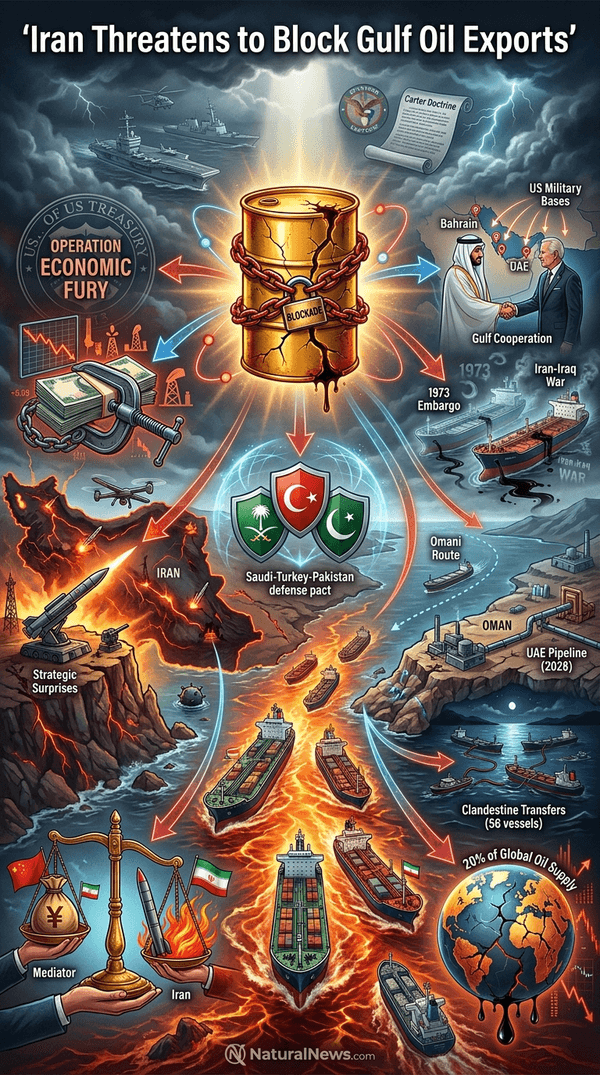
Explainer Infographic






Please contact us for more information.