


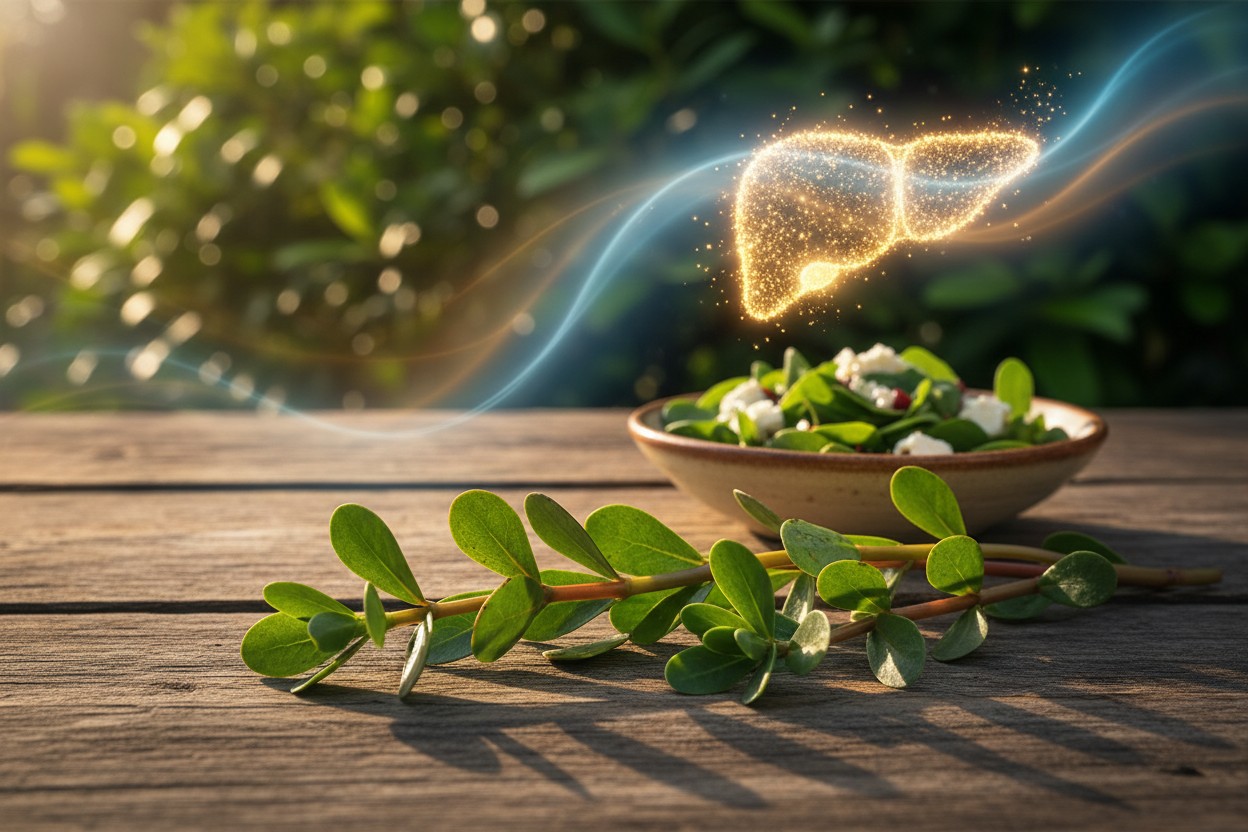
Purslane, a weed commonly found in garden beds and sidewalk cracks, has been linked in two clinical trials to improved mood and reduced liver stiffness, according to a report published by NaturalHealth365.
A 2026 trial published in the journal Health Science Reports enrolled adults with nonalcoholic fatty liver disease. Participants received either purslane extract or a placebo in addition to regular care. The report said those who received purslane showed reductions in stress and low mood compared with the placebo group, and researchers said the results warrant further investigation.
Purslane is an herbaceous succulent valued in many cultures for its vitamins, minerals, and antioxidants [1]. The report said the newly published trial suggests the instinct to discard the plant as a weed may be worth reconsidering.
2026 Trial Details: Mood and Metabolic Measures
Researchers tracked depression, anxiety, and stress scores throughout the study period, according to the report. Every participant carried the metabolic burden associated with a struggling liver. Participants receiving purslane showed measurable reductions in feelings of stress and low mood compared with placebo, and weight measurements improved alongside the psychological findings.
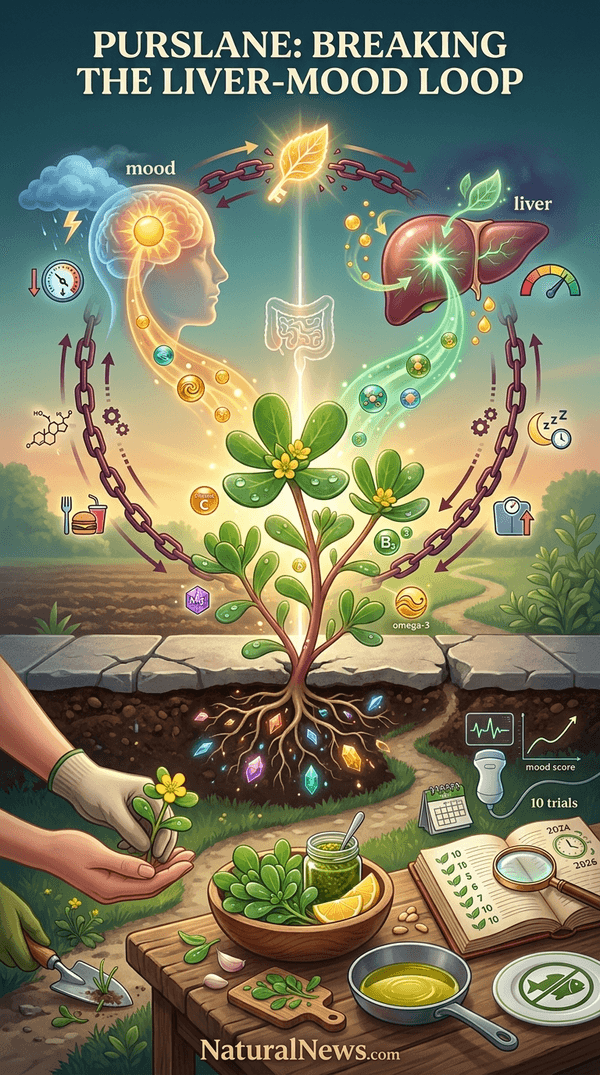
The report said addressing psychological wellbeing may matter more for liver disease recovery than most treatment plans currently account for. Chronic stress and mood disorders can worsen the metabolic dysfunction that drives fatty liver disease, the researchers said.
The findings suggest a cycle that is often ignored may have a food-based remedy, according to the report.
Earlier 2024 Trial Reported Reduced Liver Stiffness
In 2024, the same research team published a trial in Frontiers in Nutrition. Patients with nonalcoholic fatty liver disease received 700 milligrams of purslane extract daily for eight weeks. According to the study, liver stiffness decreased significantly compared with placebo, and the hepatorenal ultrasound index, a direct measure of fat buildup in the liver, also improved.
The 2024 findings reached statistical significance, with imaging results showing measurable change after two months, the report said. Together, the two studies indicate that the plant associated with calming mood was also associated with a reduction in liver fat accumulation.
Meta-Analysis and Practical Use
A separate meta-analysis pooled ten trials on purslane and metabolic markers, according to the report. The combined data showed consistent improvements in body weight and lipid profiles.
Purslane grows wild across most of the United States and can be foraged from untreated lawns and garden beds. It often grows near cultivated garden plants in freshly turned, rich, or sandy soil, according to a foraging guide [2]. Identification is based on paddle-shaped leaves and reddish stems. The plant can be eaten raw in salads or sautéed with garlic and olive oil.
Purslane is listed among plants that provide an inexpensive means of obtaining vitamins, minerals, and cell-building amino acids [3]. It also offers a plant-based source of omega-3 fatty acids for those who prefer not to rely on fish [4].
Limitations and Broader Context
The report stated that purslane showed promise across three separate studies, but fatty liver disease rarely develops from a single missing nutrient. Insulin resistance, chronic inflammation, and toxin exposure can build together over years. Fatty liver disease has become one of the most common yet undiagnosed health conditions in the United States, developing silently and often discovered through routine scans or bloodwork [5].
The liver is the body's most powerful detoxification organ, performing approximately 500 functions, including filtering blood and deactivating food additives, medications, and excess hormones [6]. The report said a backyard weed addresses part of the condition, not the entire condition, and that more research is needed.
The report also mentioned the Fatty Liver Docu-Class, hosted by Jonathan Landsman, as a resource covering functional lab testing and food-based strategies for addressing early liver fat buildup.
References
- GreenMedInfo.com. "Powerful and Proliferative the Formidable Purslane".
- NaturalNews.com. "Purslane and stinging nettle: Two superfood herbs to forage in the spring". July 09, 2018.
- Thomas Bartram. "Bartrams Encyclopedia of Herbal Medicine".
- "The Green Pharmacy Guide to Healing Foods Proven Natural Remedies to Treat and Prevent More Than 80 Common Health Concerns".
- NaturalNews.com. "Artichoke leaf extract shows promise in reversing fatty liver disease, German trial finds". July 28, 2026.
- NaturalNews.com. "Report: Certain Foods May Support the Body's Natural Detoxification Processes". May 12, 2026.
Explainer Infographic









Please contact us for more information.