


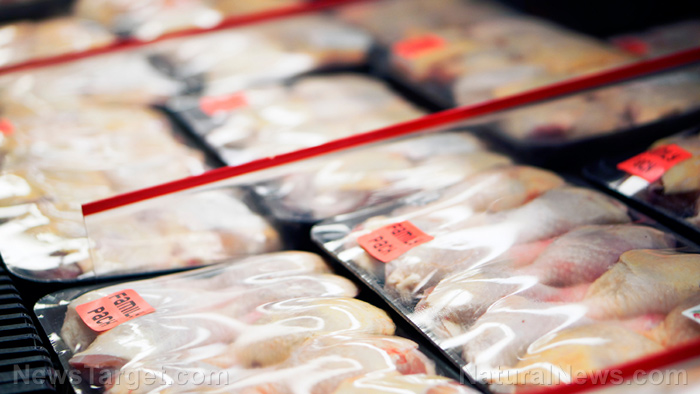
- Conventional U.S. chicken is often soaked in chlorine and other antimicrobial chemical baths to reduce contamination—a practice the European Union has banned since 1997.
- U.S. regulations do not require poultry processors to disclose chemical washes on packaging, leaving consumers unaware of what their meat has absorbed.
- Industrial processors prioritize speed over hygiene, with large facilities handling up to 2 million birds daily, necessitating chemical interventions to compensate for poor sanitation.
- Many conventional chickens are injected with water, salt and phosphates, increasing weight by up to 15%, meaning consumers pay for liquid rather than meat.
- Choosing pasture-raised, air-chilled chicken supports cleaner processing practices and higher-quality nutrition while reducing reliance on chemical interventions.
The chemical reality of a dinner staple
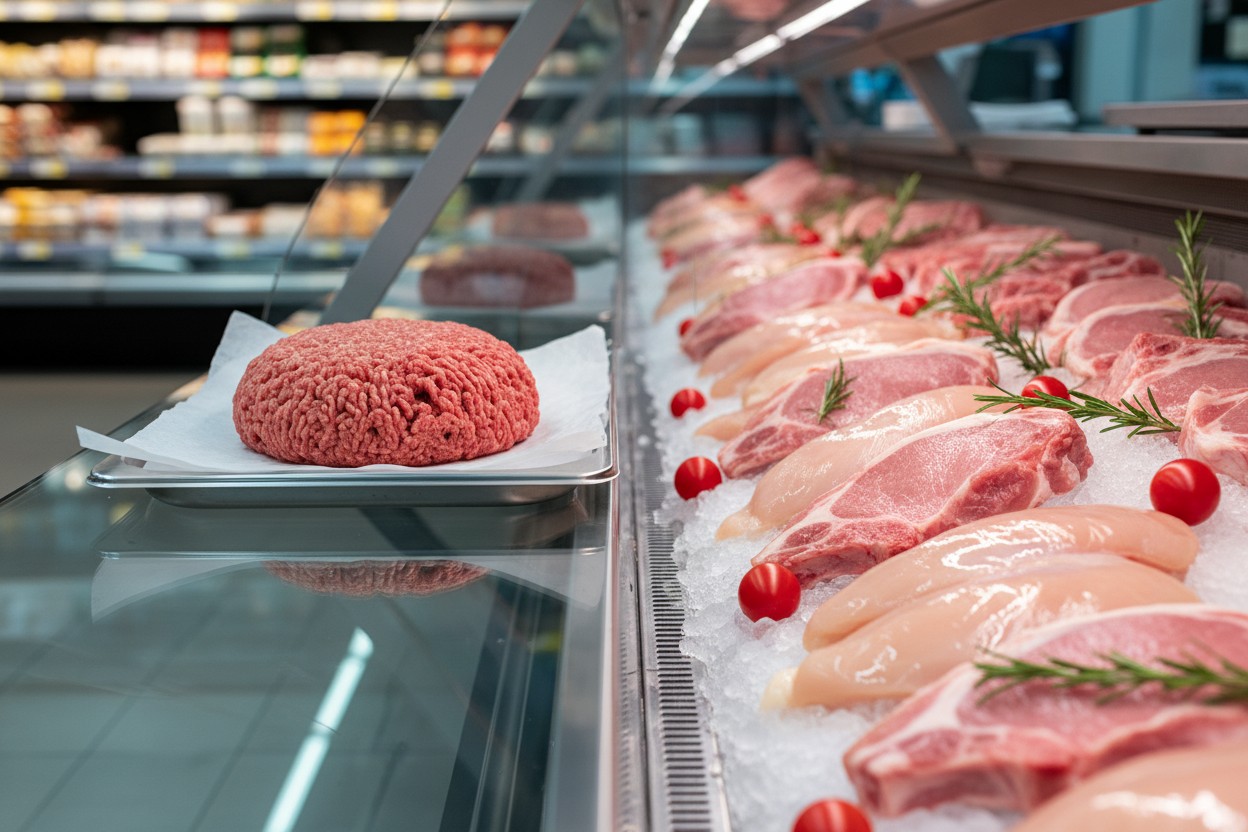
When consumers peel back the plastic wrap on a package of supermarket chicken, the slimy liquid pooling beneath the meat is rarely a thought. However, this moisture is often not just water. In industrial poultry processing, chicken carcasses are routinely submerged in chemical baths containing chlorine and other antimicrobial treatments to control pathogens like Salmonella and Campylobacter. While the U.S. Department of Agriculture permits this practice—allowing chlorine concentrations up to 50 parts per million, a level 5 to 50 times higher than recommended for residential swimming pools—it remains a controversial secret of the American food industry.
The practice, deemed a necessary intervention to compensate for the unsanitary conditions of high-volume slaughterhouses, has been outlawed in the European Union for nearly three decades. European regulators determined that chemical washing masks poor hygiene rather than preventing contamination at its source. Consequently, U.S. poultry treated with chlorine is barred from EU markets, raising a critical question for American consumers: if this method is deemed unsafe for European diners, why is it considered acceptable domestically?
The scale of the problem: Speed over sanitation
The necessity for chemical intervention stems from the sheer volume of modern poultry production. A single Tyson Foods plant, one of the nation's largest processors, can process up to 1.25 million chickens daily, with larger facilities handling up to 2 million birds during peak periods. This industrial scale creates unique challenges; maintaining hygiene when thousands of birds are processed hourly is nearly impossible.
Rather than addressing root causes of contamination—overcrowding in confinement buildings, poor nutrition and stressful living conditions—large processors have turned to chemical solutions as a quick fix. The produce is then often injected with a cocktail of water, salt and phosphates to increase weight by up to 15%. This process, known as "plumping," means consumers are paying premium prices for water that leaches out during cooking, taking natural flavors and nutrients with it. Muscle meat is porous and absorbs the liquids it contacts, meaning chemical residues are absorbed into the meat itself, a concern given that the chlorine and its chemical cousins are often not listed on packaging labels.
A legacy of contamination beyond the coop
The reliance on chemical washes is symptomatic of a broader systemic issue rooted in the industrialization of agriculture. Statistics from the CDC indicate that resistant food-borne bacteria now cause an estimated 76 million illnesses and 5,000 deaths annually in the U.S., with 62 million of those cases linked to unknown pathogens. The widespread use of antibiotics in livestock has also contributed to the rise of resistant bacteria in the environment.
Research has shown that antibiotics administered to fish and livestock leach into groundwater and surface waters, creating resistance hotspots in aquatic biofilms. Wild geese near Chicago have been found resistant to ampicillin, tetracycline, penicillin and erythromycin, illustrating how antibiotic use in agriculture and aquaculture impacts entire ecosystems. The industry’s reliance on chemical and pharmaceutical interventions is a departure from traditional food preparation, prioritizing volume and efficiency over quality and transparency.
The pollution pipeline: From factory farm to faucet
The chemical dependence of the poultry industry extends beyond the processing plant into the environment. Tyson Foods, one of the world’s largest meat producers, dumped over 371 million pounds of pollutants into U.S. waterways between 2018 and 2022, according to an analysis of EPA data. These discharges include nitrogen, phosphorus, chlorides and nitrates, which contribute to massive "dead zones" in the Gulf of Mexico and contaminate drinking water supplies.
Nebraska, Illinois and Missouri bear the brunt of this pollution, with the Tyson Fresh Meats facility in Dakota City, Nebraska, releasing over 60 million pounds of pollutants during the study period. The EPA has noted that these facilities contribute to environmental injustices, with 75% of water-polluting meat plants located near communities that are disproportionately impacted by economic and health burdens. The agency has proposed new regulations to limit nitrogen and phosphorus discharges from meat processing plants, but the industry’s resistance echoes its historical pattern of prioritizing profit over health.
The hidden costs of the modern food system
The challenges facing food safety are compounded by the legacy of environmental contaminants identified in recent decades. Synthetic chemicals, including formaldehyde, phenols and pesticides, have been found in everything from water supplies to household products. In Texas, the Smithwick Mills water system has recorded average levels of 1,2,3-trichloropropane (TCP), a likely carcinogen, at more than 80 times the California standard, with no action taken because the chemical is unregulated federally.
Experts argue that the U.S. regulatory framework is failing to keep pace with the contamination of food and water. The Safe Drinking Water Act requires an extensive, multistep process before adopting new standards, which critics say has allowed contaminants to remain unregulated for a decade or more. This regulatory lag is mirrored in food processing, where unapproved chemical washes remain legal due to the USDA’s stance that they are "minimal and safe."
A vote for transparency and health
The path forward for consumers seeking to avoid chemically soaked chicken requires a departure from the conventional system. Air-chilled chicken, which is cooled in cold chambers rather than chemical baths, offers an alternative. Pasture-raised operations that emphasize living conditions and natural diets generally do not rely on chemical washes. By building relationships with local farmers, butchers and farm cooperatives, consumers can verify the practices behind their food. Every purchase is a vote for the kind of food system they want to support, a choice between industrial efficiency and environmental stewardship.
Sources for this article include:





Please contact us for more information.